
Your Gut: A Thriving Inner Garden
Imagine your gut as a bustling, microscopic garden populated by trillions of microorganisms, including bacteria, viruses, and fungi. This is your microbiome. A healthy, diverse microbiome is crucial for everything from digestion and nutrient absorption
to immune function and even mental well-being. The heroes of this inner world are probiotics—live, beneficial bacteria that help keep everything in balance. They are the 'good guys' that help crowd out harmful microbes, aid digestion, and support your overall health. You can find them in fermented foods, where they flourish as part of a natural preservation process.
Fermentation: Nature’s Preservation Process
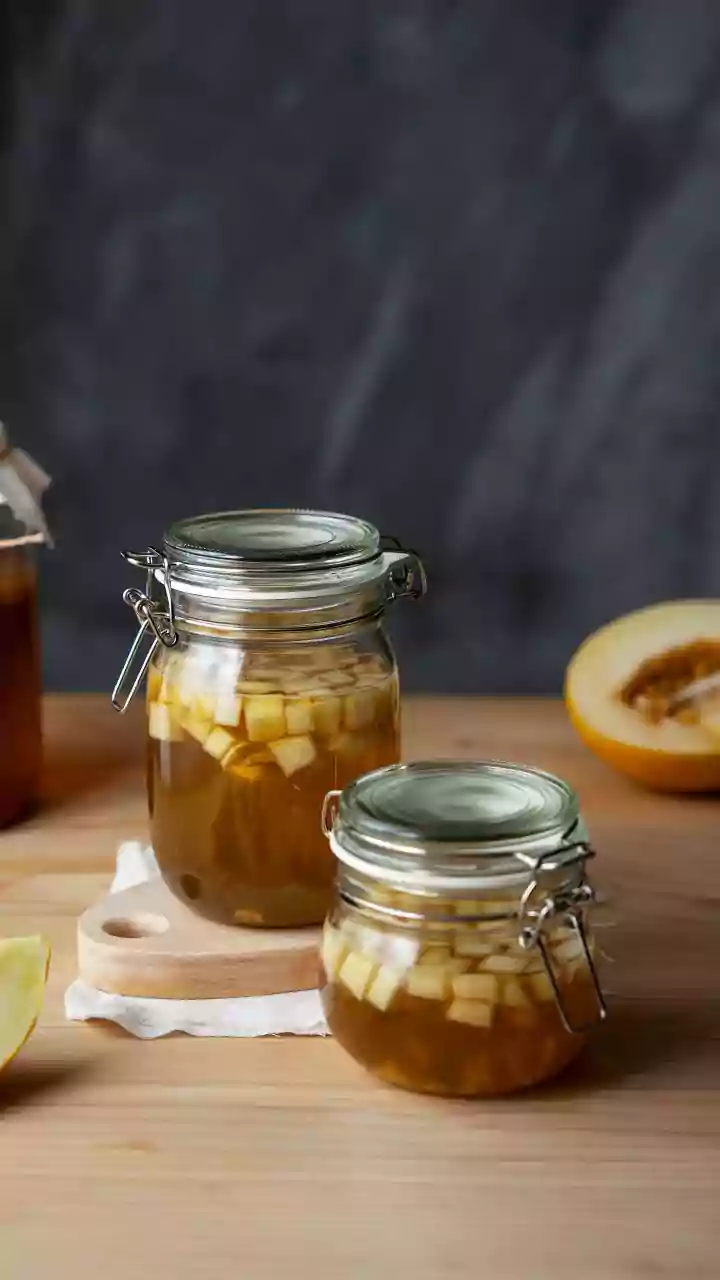
Long before refrigerators, our ancestors used fermentation to preserve food. This process relies on beneficial microorganisms, like lactic acid bacteria (LAB), to break down sugars in food, creating lactic acid. This acid acts as a natural preservative, lowering the pH to a level where spoilage bacteria cannot survive. Traditional Indian pickles, or 'achaar', often use this method. By combining vegetables or fruits with salt, they create a brine that allows these beneficial LABs, which are naturally present on the produce, to thrive. This is what transforms a simple raw mango or lemon into a complex, tangy, and probiotic-rich food.
The Crucial Role of the Sun
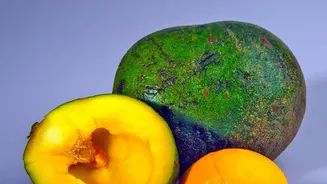
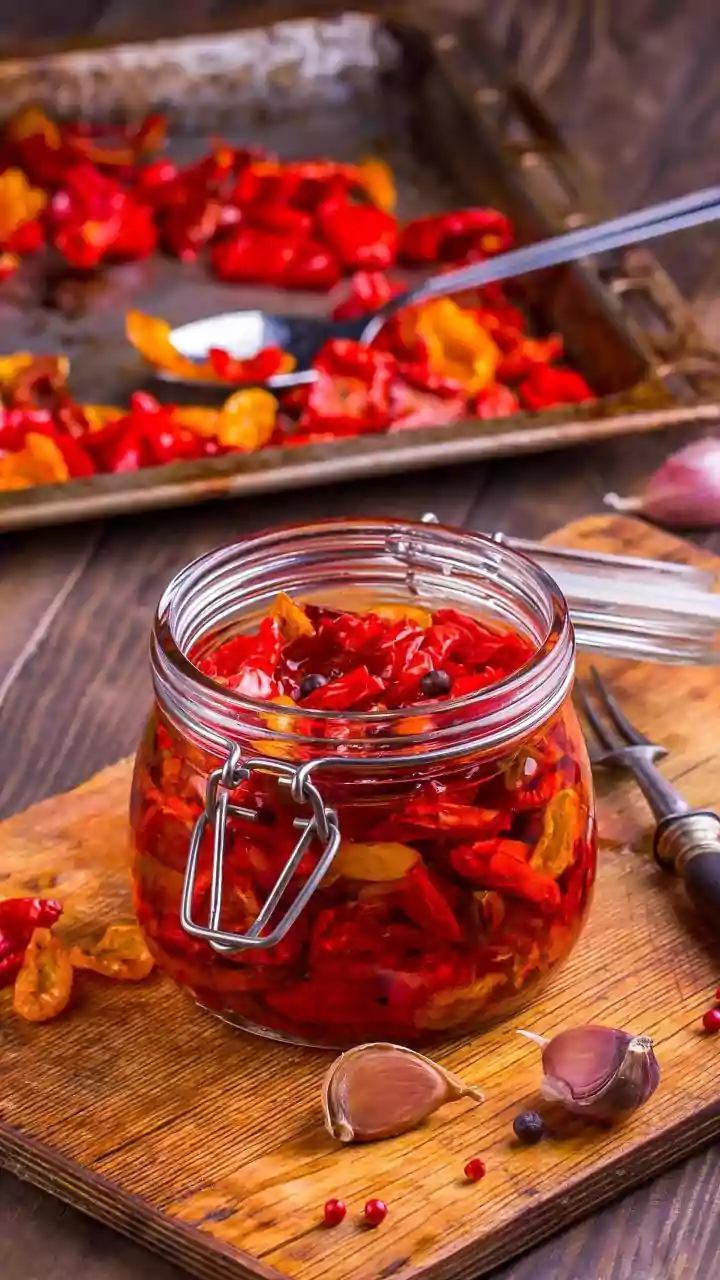
So, where does sun-drying fit in? This isn't just about removing water; it's a sophisticated step that sets the stage for successful fermentation. By letting ingredients like mango, lemon, or chillies dry partially in the sun, excess moisture is removed. This helps to prevent the growth of unwanted moulds and other microbes that could spoil the pickle. More importantly, the gentle warmth of the sun encourages the growth of beneficial, salt-tolerant lactic acid bacteria once the pickling process begins. This slow, sun-curing method is a form of biological transformation, turning simple ingredients into what some consider medicinal superfoods, all without the high heat of industrial processing that would kill these valuable microbes.
Not All Pickles Are Created Equal
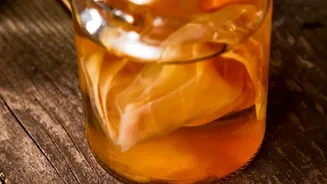
It's important to understand that most commercially produced pickles you find on a non-refrigerated shelf will not offer these probiotic benefits. Many are made using vinegar and are then pasteurised—a heat-treatment process designed to extend shelf life. This heat kills all bacteria, including the beneficial ones. A true probiotic pickle is a 'living' food. It is created through natural fermentation, not sterilised with vinegar or heat. You can often spot these in the refrigerated section of a store, and the labels might mention 'live cultures' or 'unpasteurized'. The brine might also appear cloudy, which is a sign of the active bacteria at work.
Bringing Ancient Wisdom to Your Plate
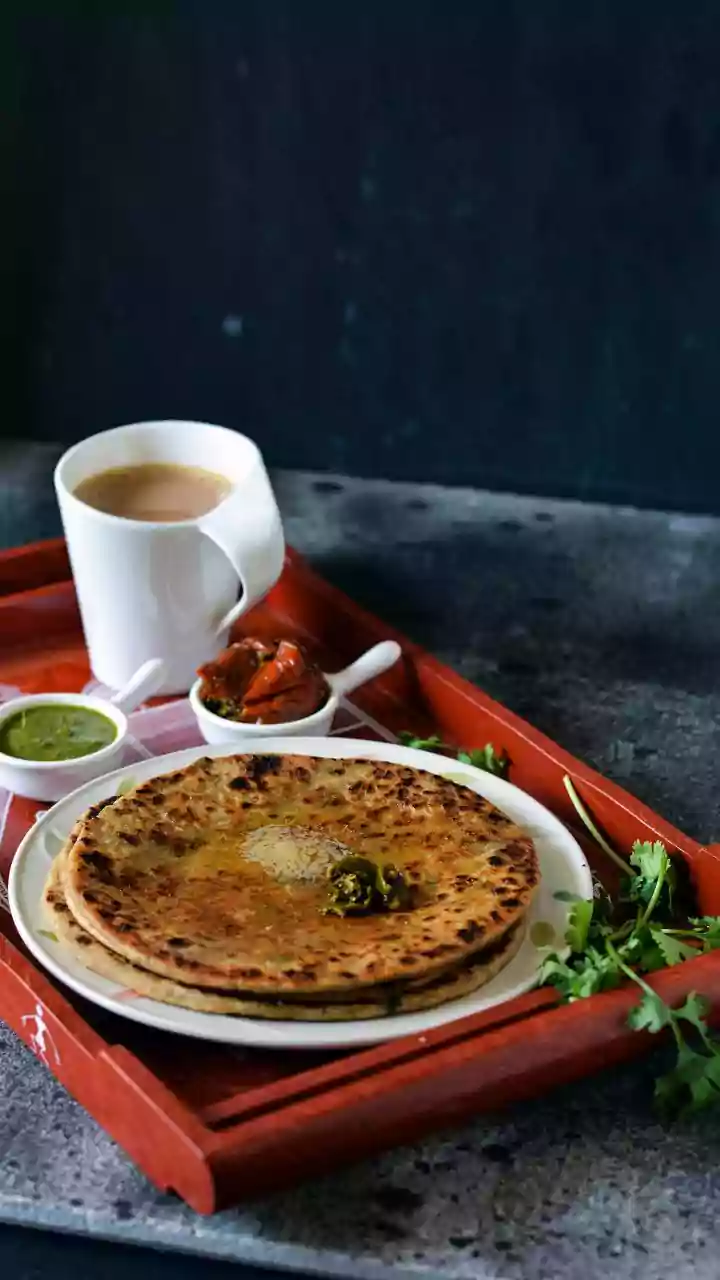
Incorporating traditionally fermented pickles into your diet is a simple way to support your gut microbiome. These pickles deliver not just flavour but also beneficial bacteria and enzymes that can aid digestion. However, because they are preserved with salt, they should be enjoyed in moderation as part of a balanced diet rich in diverse, fibre-filled foods. A small spoonful alongside a meal is a common practice that adds both a flavour kick and a dose of gut-friendly bacteria. By choosing or making pickles that use these age-old, sun-assisted fermentation techniques, you are partaking in a culinary tradition that masterfully combines preservation, flavour, and health.