




Understanding the Low-Water Philosophy
Low-water gardening, often associated with the term 'xeriscaping', is much more than just planting a few cacti. It's a holistic approach to creating beautiful, thriving landscapes that require minimal supplemental watering. The core idea is to work with your
local environment, not against it. This means moving away from the traditional model of water-intensive lawns and delicate, thirsty flowers that demand constant care. Instead, the focus is on smart design, healthy soil, and, most importantly, selecting plants that are naturally suited to the climate. It’s about creating a garden that is resilient, beautiful, and in harmony with the region's water realities.
Why the Shift is Happening Now
The push towards water-wise gardening is driven by a stark reality: growing water scarcity. In many parts of India, from Bangalore to Punjab, groundwater levels are falling at alarming rates due to over-extraction and erratic monsoons. Agriculture consumes a vast majority of groundwater, with water-guzzling crops like rice and sugarcane putting immense strain on resources. This larger crisis is now trickling down to residential life, forcing a rethink of household water use, including how we maintain our gardens. The 'perfect green lawn' is becoming an unsustainable luxury, prompting a necessary and creative shift towards landscapes that offer beauty without draining precious resources.
Rethinking Plant Selection Entirely
The new approach to plant selection is strategic and site-specific, following the principle of "right plant, right place". Rather than choosing a plant and forcing it to adapt, you first assess your garden's unique conditions—sun exposure, soil type, and natural water flow. A key strategy is 'hydrozoning', or grouping plants together based on their water needs. For instance, plants that need more moisture can be placed in lower-lying areas that collect runoff, while drought-tolerant species thrive in sunny, dry spots. This zoning makes irrigation far more efficient, ensuring no water is wasted.
Embracing Native and Adapted Plants
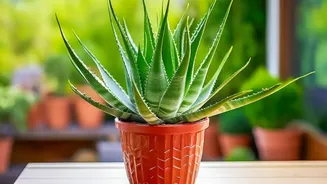
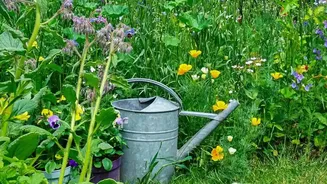
The heroes of the low-water garden are often native and adapted plants. Species that have evolved in a specific region are naturally suited to its rainfall patterns and temperature extremes, meaning they can thrive with little to no extra help once established. For Indian gardens, this means looking to beautiful, resilient options like Bougainvillea, Lantana, Marigold (Genda), and Sadabahar (Vinca). Other excellent choices include succulents like Aloe Vera and Agave, which are experts at storing water. Embracing these plants not only saves water but also supports local biodiversity and creates a garden with a unique sense of place.
The Groundwork for Success: Soil and Mulch
Plant choice is crucial, but it’s only part of the equation. Healthy soil is the foundation of a water-wise garden. Amending soil with organic matter like compost improves its structure, allowing it to absorb and retain moisture like a sponge. The other secret weapon is mulch. Applying a layer of organic material like wood chips or straw over the soil surface works wonders. Mulch acts as a protective blanket, reducing water evaporation from the soil, suppressing weeds that compete for water, and keeping the soil temperature stable. Studies show mulching can reduce the need for irrigation by a significant margin, making it a simple yet powerful technique.
Smarter Watering, Not More Watering
When you do need to water, the low-water approach prioritizes efficiency. The goal is to water deeply and infrequently, which encourages plants to develop deep, strong root systems that can better withstand dry periods. Drip irrigation systems and soaker hoses are ideal, as they deliver water directly to the plant's root zone with minimal loss to evaporation or wind. Watering in the early morning or evening when temperatures are cooler also helps maximize how much water is absorbed by the soil and plants. This mindful approach transforms watering from a daily chore into a strategic, resource-saving task.