



The Great Escape From the Heat
The primary catalyst for this massive tourist surge is the intense summer heatwave sweeping across North India. [6, 15] With temperatures soaring in the plains, urban dwellers from Delhi, Chandigarh, and other cities are desperately seeking cooler altitudes.
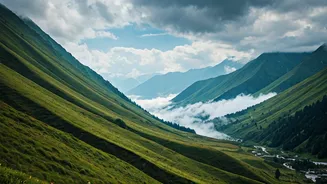
[17, 21] This has advanced the typical peak tourist season, which usually begins in early June, with visitors flocking to the mountains much earlier this year. [20] The pleasant weather, misty landscapes, and refreshing showers in states like Himachal Pradesh and Uttarakhand offer a welcome escape from the sweltering conditions back home, making a weekend trip an irresistible option for many families and young travellers. [6, 21]
The Classics Are Packed and Popular
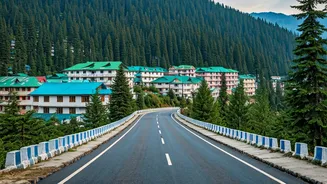
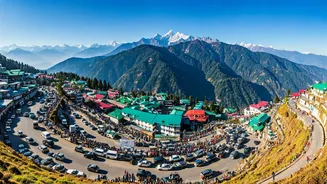
Traditional destinations are bearing the brunt of this renewed enthusiasm. Hill stations like Shimla, Manali, Mussoorie, and Dalhousie are packed with visitors. [6] Hotel occupancy rates in Himachal Pradesh have consistently crossed 80-90% during recent weekends, with weekday occupancy also strong at 60-70%. [19] Some popular hotels are even reporting occupancy as high as 90% during the peak season. [17] This influx, while a boon for local businesses, has led to significant challenges. Key routes, such as the Mandi-Kullu-Manali highway, are experiencing severe traffic congestion, with drone visuals capturing long queues of vehicles. [6, 13] Shimla, the 'Queen of Hills', is similarly choked with vehicles, prompting authorities to deploy additional police to manage the flow and appeal to tourists for cooperation. [7, 20]
Data Highlights a Spontaneous Surge
The numbers confirm the trend. Hospitality chain Zostel reported a staggering 76% year-on-year increase in bookings for Shimla in June 2026. [11, 22, 25] The trend extends beyond just one city, with destinations like Srinagar, Tirthan Valley, and Gangtok seeing footfall growth of nearly 95% compared to the previous year. [11, 22] A fascinating aspect of this boom is the rise of spontaneous travel. Nearly half of all mountain bookings on the platform were made within just three days of the departure date, indicating a shift away from long-term planning towards impromptu weekend getaways. [11, 14] This trend is driven by travellers who have already decided to escape the heat and are comfortable making last-minute arrangements. [22]
A Shift Towards the Unexplored
While the classic spots are buzzing, a growing number of travellers are venturing off the beaten path. In a bid to escape the crowds of Shimla and Manali, tourists are exploring emerging hotspots that offer more authentic and serene experiences. [8] Destinations like Spiti Valley, with its cold desert landscapes and ancient monasteries, and the tranquil Tirthan and Jibhi valleys are gaining popularity. [8, 11] The state's tourism strategy is also focused on diversifying circuits to relieve pressure on traditional hubs. [8] This shift is also supported by changing traveller demographics, with a notable increase in visitors from non-metro cities and a willingness to travel longer distances for unique mountain experiences in places like Srinagar and Gangtok. [11, 14]
The Flip Side: Overtourism's Growing Pains
This tourism boom is a double-edged sword. While it provides a much-needed economic boost to local communities, the pressure on infrastructure is immense. [9] The Atal Tunnel, which connects Manali to Lahaul-Spiti, has seen daily traffic touch nearly 11,000 vehicles, more than double its handling capacity of 4,500. [9] Beyond the traffic snarls, there is a growing environmental cost. Issues like littering, improper solid waste management, and unruly tourist behaviour are becoming common, straining the delicate Himalayan ecology. [9] Authorities and local associations face the difficult challenge of balancing the economic benefits of tourism with the urgent need for sustainable practices and effective infrastructure management to preserve the very beauty that draws visitors in the first place. [6, 9]