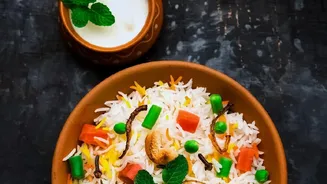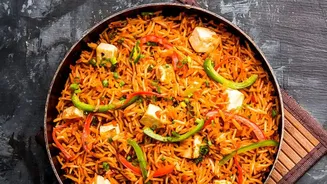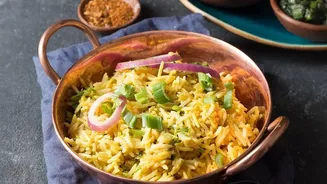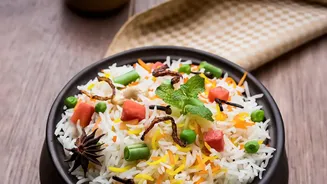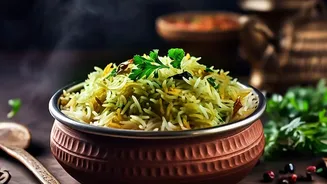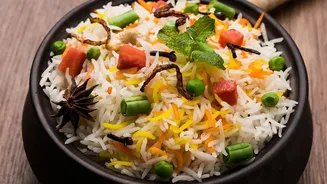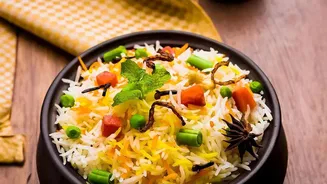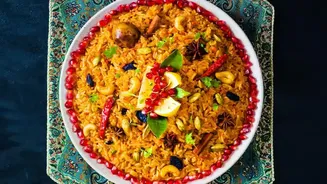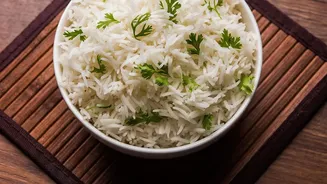

The Foundation: Fluffy Basmati
Before we infuse our rice with herbs, mastering the base is key. The goal is long, separate, and fluffy grains. The secret is in the preparation. Always rinse your basmati rice under cold water until the water runs clear. This removes excess starch, which
is the main culprit behind sticky or gummy rice. Many home cooks swear by soaking the rice for 20-30 minutes after rinsing; this allows the grains to absorb water evenly and cook into longer, more elegant strands. When it comes to cooking, the absorption method is a reliable choice. A common ratio is 1 cup of rice to 1.5 cups of water. Bring the water to a boil, add the rice, then reduce the heat to its lowest setting, cover with a tight-fitting lid, and let it simmer for 12-15 minutes. Crucially, do not lift the lid during this time. Once cooked, let the rice rest off the heat, still covered, for another 5-10 minutes. This final step allows the steam to finish the cooking process, resulting in perfectly tender grains ready for their herby makeover.
The Cool Classic: Pudina Rice
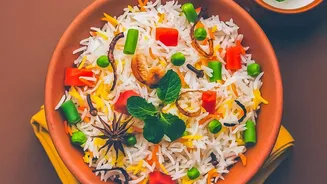
Pudina (mint) rice is a beloved South Indian dish, celebrated for its refreshing and cooling properties, making it an ideal meal for warmer climates. The process typically involves creating a vibrant green paste. Fresh mint leaves are blended, often with green chillies, ginger, and sometimes garlic or a little coconut, to form the flavour base. This paste is then sautéed in oil or ghee with tempered spices like mustard seeds and lentils before being mixed with cooked rice. Some variations cook the rice directly with the paste, creating a one-pot pulao. The result is a dish that is deeply aromatic and invigorating. It pairs wonderfully with a simple raita or a potato fry, cutting through richness with its clean, herbaceous notes.
The Fragrant Favourite: Dhania Rice
Coriander rice, also known as Dhania rice or Kothamalli Sadam, is another South Indian staple that is quick, flavourful, and visually appealing. Like its minty cousin, it starts with a paste made from fresh coriander leaves, green chillies, and often a touch of ginger, garlic, or even onion. What makes coriander rice so versatile is its bright, citrusy flavour that doesn't overpower accompanying dishes. It is often prepared as a 'variety rice', where cooked rice is simply mixed into a tempered spice base containing the coriander paste. This makes it an excellent choice for lunchboxes as it tastes great even at room temperature. For a richer flavour, cashews and lentils are often added to the tempering for a delightful crunch.
An Earthy Twist: Dill Rice
While less common in mainstream Indian cuisine compared to mint and coriander, dill (known as suva or shepu) offers a unique and sophisticated flavour profile when paired with basmati rice. Popular in Persian and Mediterranean cooking, dill rice has a slightly sweet, grassy, and almost anise-like aroma that is truly distinctive. It can be prepared simply by adding finely chopped fresh dill to the rice during the final stages of cooking, allowing its essence to infuse the grains. Some recipes toast the rice with sautéed onions and garlic before adding the dill and water, creating layers of flavour. A squeeze of lemon juice stirred in after cooking can brighten the earthy notes of the dill, creating a refined side dish that pairs beautifully with grilled fish, chicken, or lentil-based curries.
Creating Your Own Herb Medley
The beauty of herbed rice lies in its adaptability. There are no strict rules, only opportunities for delicious discovery. You can move beyond single-herb preparations and create your own signature blends. A combination of mint and coriander is a classic starting point for a fragrant pulao. For a more continental flavour, try a mix of fresh parsley, thyme, and finely chopped green onions stirred into the rice just before serving. Toasted nuts like almonds or pine nuts can add texture, while whole spices like cardamom, cloves, and cinnamon sticks can be added to the water to infuse the rice with a subtle, warming aroma from the very beginning. The key is to see your basmati rice as a canvas and your herb garden as the palette.