

The Sun’s Unseen Influence
Space weather refers to the changing conditions in space driven by the Sun’s activity. Much like weather on Earth, it can be calm or stormy. The primary culprits behind disruptive space weather are solar flares and Coronal Mass Ejections (CMEs). A solar flare is an intense
burst of radiation, while a CME is a massive eruption of hot plasma and magnetic fields from the Sun's outer atmosphere. These solar outbursts send a torrent of charged particles hurtling through space, and when Earth is in the path, our planet's magnetic shield can be severely disturbed. While this shield protects life on the ground, the technology we've placed in orbit is far more exposed.
Satellites Under Cosmic Siege
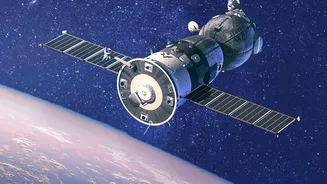
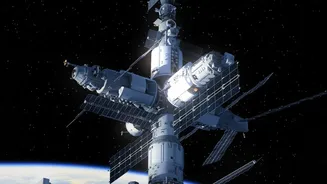
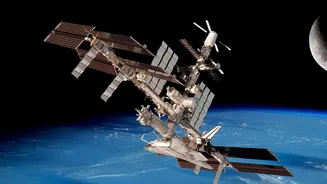
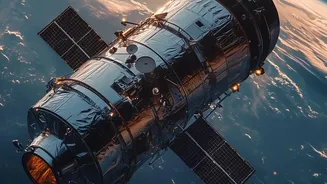
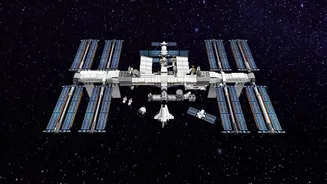
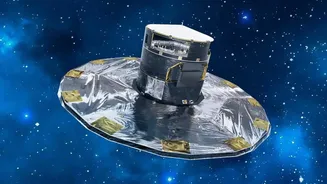
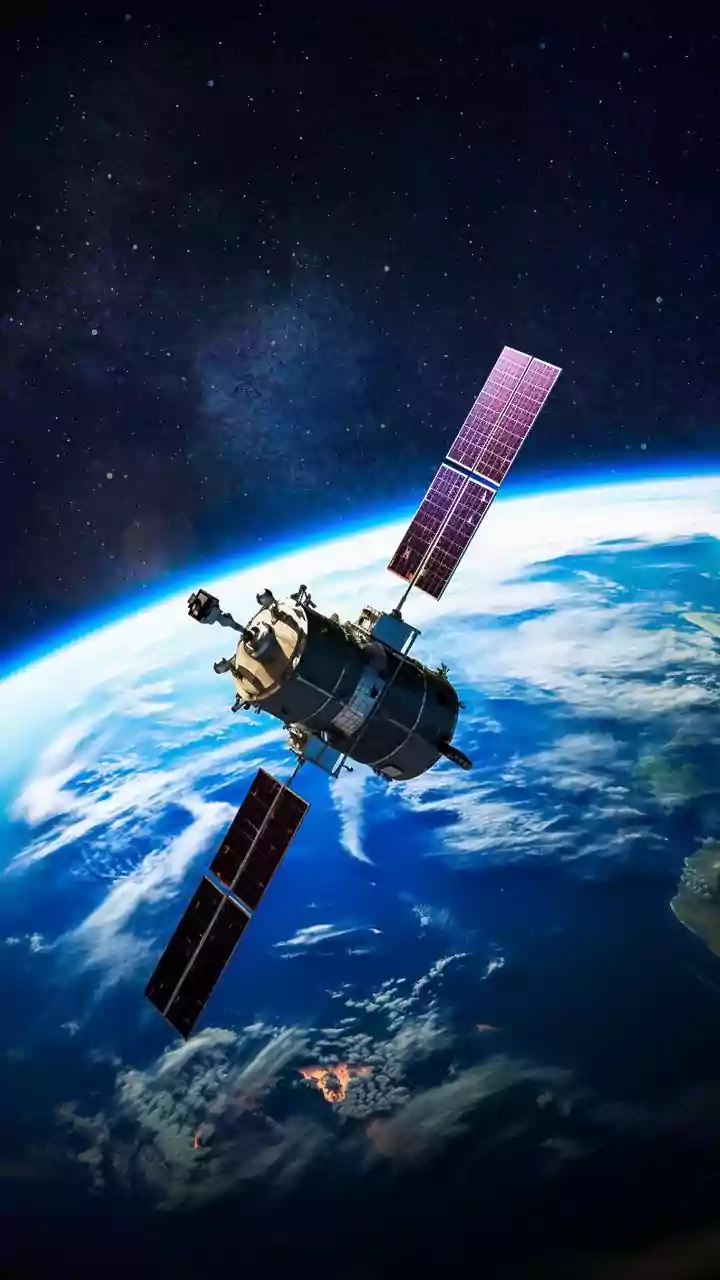
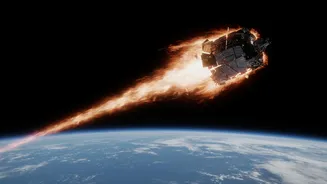
For satellites, a solar storm is a multi-pronged assault. The surge in solar energy heats and expands Earth's upper atmosphere, increasing the atmospheric drag on satellites in low-Earth orbit. This slows them down, causing them to lose altitude faster than predicted and potentially re-enter the atmosphere prematurely. Energetic particles can penetrate satellite electronics, causing malfunctions, data corruption, or permanent damage. Furthermore, these storms disrupt the ionosphere, the layer of the atmosphere that communication and GPS signals travel through. This can degrade signal accuracy or cause a complete loss of connection, affecting everything from navigation services to radio communications. Annually, solar storms are estimated to cause around $100 million in satellite damage.
A Cosmic Weather Report
This is where predictive modeling becomes crucial. Just as a cyclone warning allows us to prepare on Earth, an accurate space weather forecast gives satellite operators time to react. Better predictions allow them to put satellites into a protective 'safe mode', adjust orbits to minimize drag, or reroute data transmissions to avoid the most affected regions. Scientists are developing sophisticated new models, often using artificial intelligence, to improve the accuracy and lead time of these forecasts. These advancements can significantly reduce mission delays and enhance the accuracy of GPS and other navigation systems. By monitoring the Sun for warning signs like sunspot activity, researchers hope to turn reactive crisis management into proactive protection.
The Indian Connection
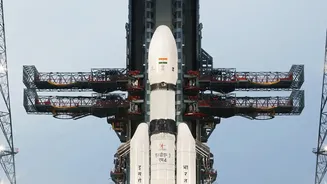
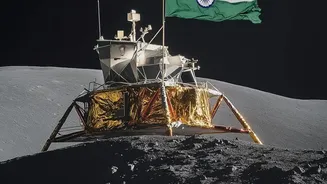
For a nation rapidly integrating technology into every facet of life, this is not a distant, academic problem. India's reliance on digital infrastructure—from the Unified Payments Interface (UPI) that powers countless daily transactions to the GPS systems guiding logistics and transport—makes it vulnerable. A major space weather event could have significant economic consequences. Recognizing this, the Indian Space Research Organisation (ISRO) is at the forefront of this effort. ISRO's Aditya-L1 mission, India's first dedicated solar observatory, is designed to provide an uninterrupted view of the Sun from a strategic location 1.5 million kilometers from Earth. Data from Aditya-L1 is already providing breakthrough insights into how solar storms impact Earth's magnetic field and is crucial for developing real-time assessments to safeguard our critical space assets. ISRO continuously monitors over 50 Indian satellites, preparing to mitigate the impacts of solar events on services vital to the nation.