






The Power of the Health Halo
In the aisles of a supermarket, you are faced with countless choices. Brands know that a claim of being “healthy,” “natural,” or “organic” can be a powerful tiebreaker. This marketing strategy creates a “health halo” around a product, making consumers
believe it is more nutritious than it actually is. Common examples in India include snacks labelled as “veggie chips” despite being deep-fried, fruit juices with minimal fruit content, and products claiming “no added sugar” while being sweetened with date syrup or fruit concentrates, a practice FSSAI strictly prohibits. These vague or scientifically unsupported claims can mislead even the most careful shoppers into making choices that aren't aligned with their health goals. Words like “pure,” “traditional,” or “real” are used to evoke a sense of trust, but the Food Safety and Standards (Advertising and Claims) Regulations, 2018, mandates that such terms must meet strict criteria to be used.
From Misleading Labels to Actual Risks
The consequences of these misleading claims go beyond simple deception. When a consumer chooses a product believing it to be healthy, they might consume it in larger quantities or overlook high levels of hidden salt, sugar, and fat. For instance, a beverage marketed with health-related terms can divert consumers from genuinely healthier options like water or natural juices. This is a significant public health concern, as it can contribute to poor dietary habits and associated health issues. The FSSAI has flagged products for a range of misleading claims, from those promising weight loss and detoxification to those suggesting they can boost immunity or support stronger bones, often without scientific backing. The regulator has noted that such advertisements cannot state or imply that a balanced diet cannot provide adequate nutrients, a tactic sometimes used to push supplements or fortified foods.
FSSAI's Regulatory Crackdown
In response to the growing problem, the Food Safety and Standards Authority of India (FSSAI) has significantly increased its enforcement. In recent months, it has issued over 150 notices to major food companies for misleading ads, false claims, and labelling violations. High-profile brands including Nestle India, PepsiCo, Coca-Cola India, Mondelez India (maker of Bournvita), and Amway have been among those put on notice. The actions target specific violations, such as using the term “Energy Drink” for caffeinated beverages, claiming a product is “100% Pure” without justification, or marketing products as “vegan” without the required FSSAI approval. This enforcement drive covers manufacturers, e-commerce platforms like Amazon and Flipkart, and even food service establishments. The regulator has the power to impose penalties up to ₹10 lakh for misleading advertisements and can order companies to issue corrective ads to neutralize the false impressions created.
What Consumers Can Do
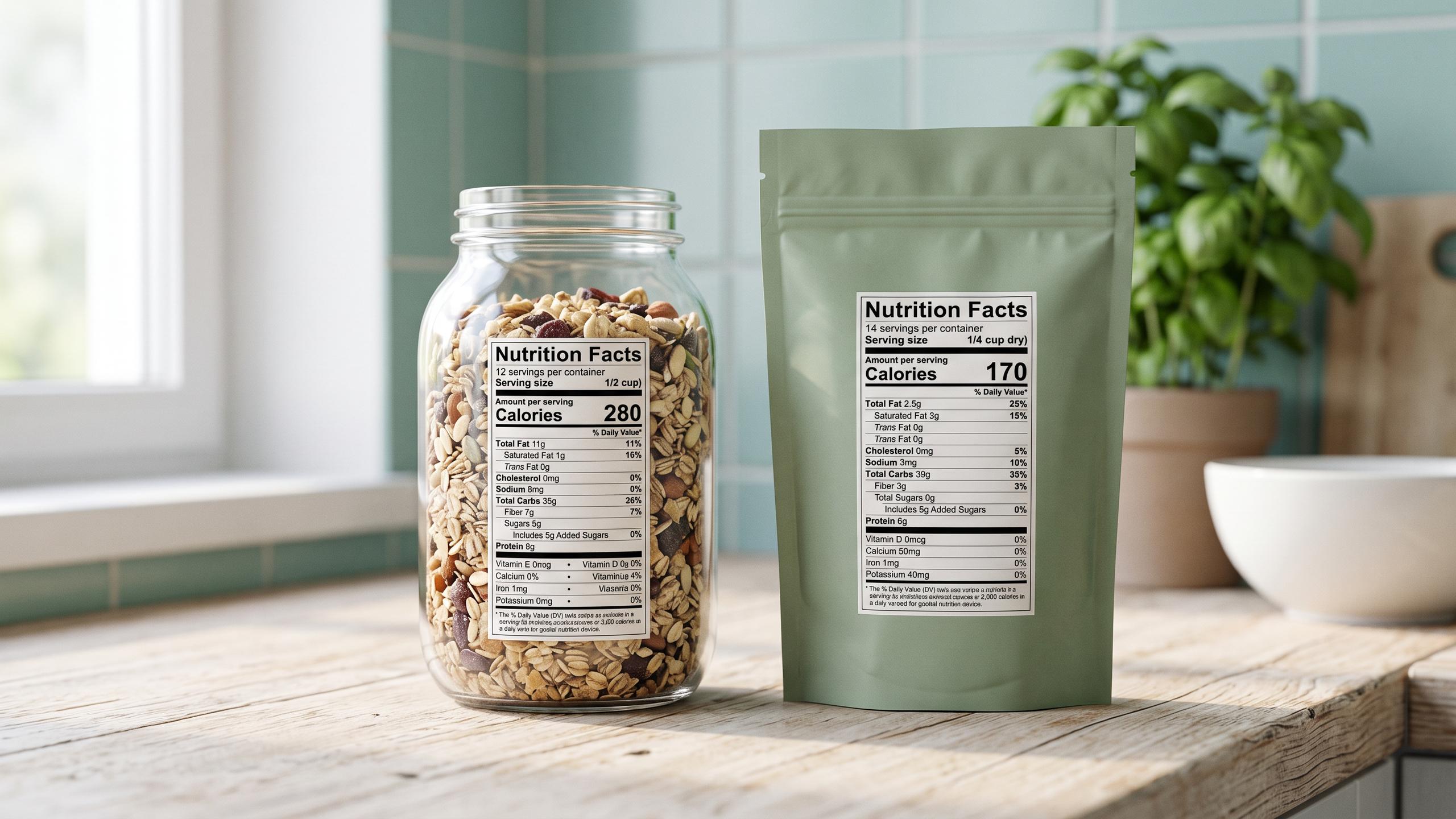
While the FSSAI's actions are a crucial step towards a more transparent market, the ultimate power rests with the consumer. The crackdown has already resulted in many companies taking corrective action, such as withdrawing misleading claims, changing packaging, or delisting products altogether. For example, Mondelez withdrew certain health claims related to Bournvita from e-commerce sites, and Amway removed the “100% Pure” claim from a coconut oil product. As a shopper, it is more important than ever to look past the attractive front-of-pack claims. The most reliable information is on the back: the nutritional facts panel and the ingredients list. Pay attention to the amounts of sugar, sodium, and saturated fat. Be skeptical of claims that sound too good to be true and words that are not clearly defined, like “true vitamin” or simply “healthy.” By becoming a more discerning reader of labels, you can navigate the grocery store with confidence and make choices that are truly good for you.