




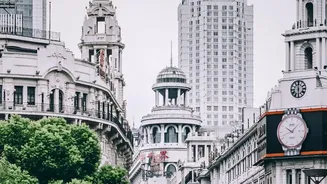
Chandni Chowk, Delhi, India
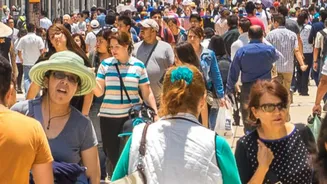
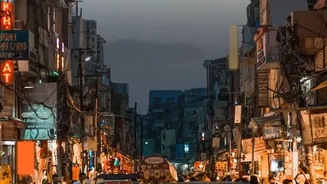
A trip to Delhi is incomplete without braving the brilliant chaos of Chandni Chowk. Designed by Mughal princess Jahanara in the 17th century, this is the main artery of Old Delhi. Walking its 1.3-kilometre length is a full-sensory experience. The main road
is just the beginning; the real magic lies in the narrow perpendicular lanes (galis), each dedicated to a specific trade. You can find everything from fragrant spices in Khari Baoli, Asia's largest spice market, to glittering wedding accessories in Kinari Bazaar. For food lovers, it's a paradise, with legendary spots like Paranthe Wali Gali serving deep-fried flatbreads.
The Shambles, York, UK
Walking down The Shambles is like stepping into a medieval fairytale. This beautifully preserved street in York is famed for its timber-framed buildings, some dating back to the 14th century, whose upper storeys overhang so much they almost touch. Once a street of butchers, many of the original meat-hooks still hang outside the shops. Today, instead of meat, the narrow, cobbled lane is filled with quirky boutiques, fudge shops, and cheerful cafes. Believed to be an inspiration for Diagon Alley from the Harry Potter series, its magical atmosphere makes it one of the most famous streets in Europe.
Lombard Street, San Francisco, USA
Known as one of the 'crookedest streets in the world', the famous section of Lombard Street on Russian Hill is an iconic San Francisco sight. Designed in the 1920s to make the steep 27-degree hill navigable for cars, its eight sharp hairpin turns are a unique spectacle. While many visitors drive down, the best way to experience it is on foot. Pedestrian stairways run along both sides, allowing you to admire the beautifully manicured flowerbeds and enjoy breathtaking views of the city and bay.
Via dei Coronari, Rome, Italy
While many tourists flock to Rome's major thoroughfares, Via dei Coronari offers a more tranquil and charming walking experience. This cobblestone street, which stretches towards the Vatican, was once a path for pilgrims. Today, it's known for its Renaissance-era buildings, antique shops, and artisan boutiques. It's the perfect place for a leisurely 'passeggiata' (stroll), where you can browse for unique treasures, sip a cappuccino at a quiet cafe, and soak in the timeless atmosphere of the Eternal City without the overwhelming crowds.
Rue de l'Abreuvoir, Paris, France
Arguably the most picturesque street in Montmartre, Rue de l'Abreuvoir captures the romantic, village-like charm that has long drawn artists to this Parisian neighbourhood. The gently sloping cobbled lane is lined with ivy-covered houses, including the famous 'La Maison Rose' cafe, famously painted by artist Maurice Utrillo. The street’s name recalls the old village watering trough ('abreuvoir') where animals once drank. A walk here provides a stunning view of the Sacré-Cœur basilica, making it a favourite spot for photographers and dreamers alike.
Hosier Lane, Melbourne, Australia
For a different kind of beauty, head to Melbourne's Hosier Lane. This celebrated laneway is a dynamic, open-air gallery of street art. Every surface, from the walls and windows to the bins, is covered in a vibrant, ever-changing collage of spray paint, stencils, and paste-ups. Recognised internationally, the art here is constantly evolving, with new works appearing overnight, so every visit offers a new discovery. Just a short walk from Flinders Street Station, this cobblestone canvas is a testament to Melbourne's thriving urban culture.
Long Street, Cape Town, South Africa
True to its name, Long Street is a major artery in Cape Town's City Bowl and the heart of its bohemian culture. The street is lined with colourful Victorian-era buildings featuring beautiful wrought-iron balconies. By day, it’s a bustling hub of bookshops, quirky boutiques, and African craft markets. As evening approaches, the street transforms, with a huge variety of restaurants, lively bars, and clubs drawing in both locals and travellers for sundowners and late-night parties, cementing its reputation as the city's social centre.
Rua da Bica de Duarte Belo, Lisbon, Portugal
Lisbon is a city of hills, and one of the most charming ways to experience them is on Rua da Bica de Duarte Belo. This street is famous for the iconic Bica Funicular, a bright yellow tram that has been climbing the steep incline since 1892. It is often called Lisbon's most photographed street, and for good reason. The narrow, cobbled lane with its colourful, flower-adorned houses creates a picture-perfect frame for the view down towards the Tagus River. Walking alongside the tram tracks gives you a real feel for one of the city's most historic neighbourhoods.
Cockburn Street, Edinburgh, Scotland
Winding its way from the Royal Mile down towards Waverley Station, Cockburn Street (pronounced 'Co-burn') is a gem in Edinburgh's Old Town. Created in the Victorian era, its gentle curve and tall sandstone tenements give it a unique architectural charm. It's the perfect street for those looking to escape the high street chains, as it's packed with independent shops selling everything from vintage clothing and quirky gifts to rare records and books. Dotted with cosy pubs and cafes, it's an ideal spot to wander and find a unique souvenir.
The Blue Streets, Chefchaouen, Morocco
It's not just one street but a whole city. Nestled in Morocco's Rif Mountains, Chefchaouen is famous for its blue-washed medina. Walking through this labyrinth of narrow alleyways feels like stepping into another world. It is believed that Jewish refugees introduced the blue colour, representing the sky and divinity. As you explore, you'll find vibrant souks selling traditional crafts, hidden squares with bubbling fountains, and countless photo opportunities at every turn. A walk here is a truly immersive and serene experience.