

More Than Just Vintage
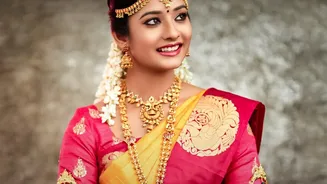
This isn't just about wearing your mother's old silk saree. It's about actively 'reworking' it. The trend sees young men and women taking heirloom pieces—be it a Banarasi brocade, a delicate chiffon, or even a grandparent's shawl—and giving them a new
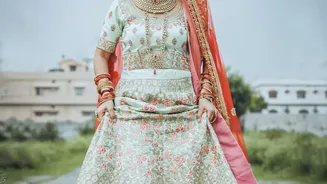
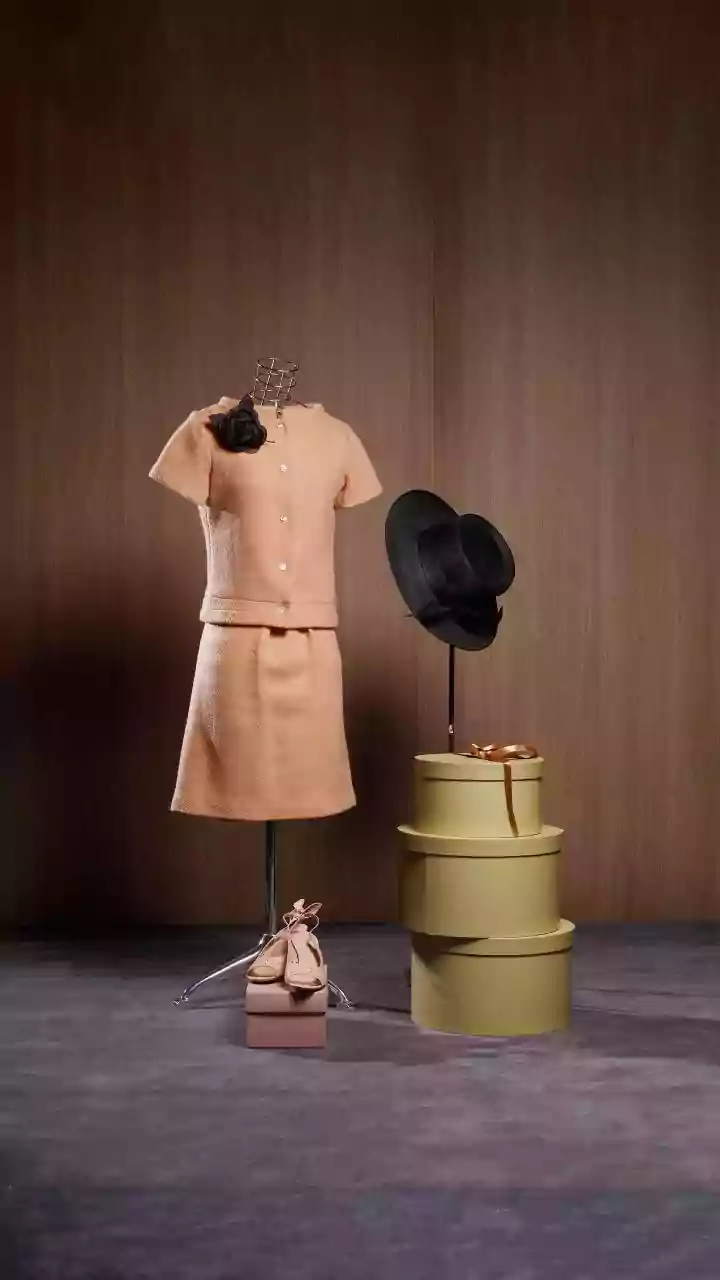
life. This creative reinvention moves beyond simple hand-me-downs, which were once seen with stigma, and transforms them into contemporary silhouettes. Heavy silk sarees with intricate zari work are deconstructed and reborn as sharp blazers, structured co-ord sets, or festive lehengas. Lighter fabrics find new life as flowy dresses, chic capes, or stylish kurtas. It’s a design-led movement, often done in collaboration with local tailors or specialized designers, transforming what was once purely traditional into something modern and wearable today.
A Conscious Choice Against Waste
At its core, this trend is a powerful statement against the fast fashion industry. With growing awareness of the environmental damage caused by mass-produced clothing, many young consumers are actively seeking sustainable alternatives. Reworking an existing garment is the ultimate form of sustainable fashion; it requires no new resources, reduces textile waste, and lowers one's carbon footprint. For Generation Z, this isn't just about affordability; it's a badge of honour that signifies a conscious rejection of a wasteful cycle. This generation champions a broader definition of sustainability that includes ethical production, waste reduction, and supporting local craftsmanship over mass manufacturing.
Every Outfit Tells a Story
Beyond the style and sustainability, the biggest pull is the emotional connection. An old saree isn't just six yards of fabric; it’s a vessel of memories. It might be the saree a grandmother wore at a family wedding or the one a mother received as a gift. Wearing these pieces creates a tangible sense of continuity between generations. It’s a way to honour the legacy of the women in one's family, celebrating their stories in a way that feels authentic and personal. In a world of fleeting digital trends, a reworked heirloom feels grounded and meaningful, turning a simple outfit into a powerful form of personal storytelling.
Styled for the 'Gram
Social media platforms like Instagram have played a crucial role in amplifying this trend. Influencers and everyday fashion lovers alike are showcasing their unique creations, from saree-to-dress transformations to pairing traditional textiles with modern streetwear. Seeing a vintage silk paired with sneakers or a brocade jacket thrown over a simple t-shirt inspires others to look at their own family's heirlooms with fresh eyes. This digital showcase has democratized the trend, providing endless inspiration and proving that heritage pieces can be both deeply personal and incredibly cool. It has shifted the perception of secondhand clothing from a necessity to a symbol of creativity and individuality.
A New Wave of Design
This trend has also given rise to a new ecosystem of designers and brands specializing in upcycling. Labels like Lata Sita, Doodlage, and Péro have built their identity around giving old materials a new, higher-value life. These designers work with clients to transform their personal heirlooms or source vintage textiles to create one-of-a-kind contemporary pieces. This not only preserves precious craftsmanship that might otherwise be lost but also supports a circular economy and champions a 'slow fashion' ethos. The result is fashion that carries history, intention, and a unique artistic vision.