





The Gut-Brain Superhighway
Think of the gut-brain axis as a bustling, two-way communication network connecting your central nervous system to your digestive system. This link is so profound that scientists often refer to the gut as the “second brain.” This connection is facilitated
by the vagus nerve, a long cranial nerve that sends signals in both directions. What happens in your gut can directly send messages that influence your mood, stress responses, and cognitive functions like memory and concentration. It’s a constant conversation, and the health of your gut microbiome—the trillions of bacteria and other microbes living in your digestive tract—plays a starring role in the quality of that dialogue.
Your Microbiome and Mood
The trillions of microbes in your gut are far from passive residents; they are active participants in your body's chemistry. A significant portion of the body’s neurotransmitters, such as serotonin, are produced in the gut. Serotonin is a key chemical that regulates mood, happiness, and anxiety, which is why a healthy, balanced gut microbiome is essential for stable emotional well-being. When this internal ecosystem is thrown off balance by things like poor diet or stress, it can lead to inflammation and reduced neurotransmitter production, potentially contributing to brain fog, anxiety, and a lower mood.
Fiber: The Unsung Hero for Your Brain
Dietary fiber does more than just aid digestion; it's a critical food source for your beneficial gut bacteria. These microbes break down fiber into powerful compounds called short-chain fatty acids (SCFAs), such as butyrate. Research suggests these SCFAs have anti-inflammatory effects that can benefit the brain and support cognitive function. By feeding the good bacteria, fiber helps them thrive, which in turn helps them produce the compounds that reduce inflammation, support the gut barrier, and ultimately communicate with the brain to regulate mood and protect long-term brain health. Studies have linked higher fiber intake with a lower risk of depression and better performance on cognitive tests.
Probiotics: Reinforcing Your Gut's Front Line
If fiber is the fuel, probiotics are the reinforcements. Probiotics are live, beneficial bacteria found in certain foods and supplements. They help maintain a healthy balance in your gut microbiome by adding more friendly microbes to the mix. A balanced gut is better at producing those essential neurotransmitters and keeping inflammation in check. Several studies have shown that regular consumption of probiotics can help improve symptoms of anxiety and depression, enhance memory, and boost overall cognitive performance. Think of it as actively seeding your gut with the good guys to ensure the communication along the gut-brain highway remains positive and clear.
How to Add More Fiber to Your Plate
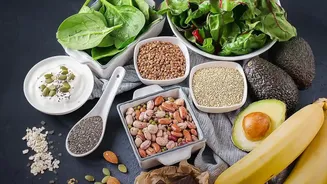
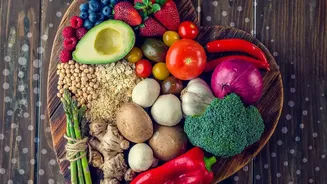
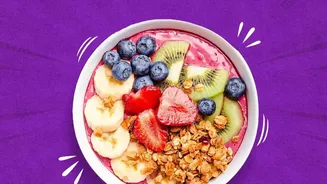
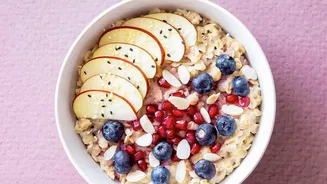
Boosting your fiber intake doesn't have to be complicated. Many foods readily available in India are naturally rich in this essential nutrient. Focus on incorporating whole grains like oats, millets, and brown rice into your meals. Legumes are another fantastic source; think lentils (dal), chickpeas (chana), and kidney beans (rajma). Don't forget vegetables and fruits, especially leafy greens, carrots, apples, bananas, and berries. Nuts and seeds, such as flaxseeds, chia seeds, and almonds, are also easy and effective ways to add more fiber to your daily diet.
Finding Probiotics in Everyday Foods
Incorporating probiotics is just as simple, as many are found in traditional fermented foods. The most common and accessible source is yogurt (dahi) with live and active cultures. Kefir, a fermented milk drink, is another excellent option. Fermented vegetables like sauerkraut and kimchi are also packed with beneficial bacteria. Even some traditional South Indian foods like idli and dosa, which are made from fermented batter, can contribute to your probiotic intake. The key is to look for foods that are naturally fermented and contain live cultures.