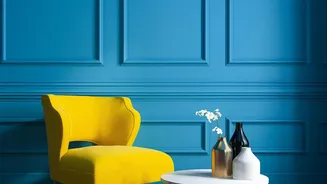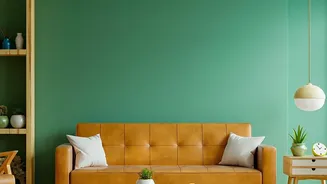



A Fresh Take on Wall Design
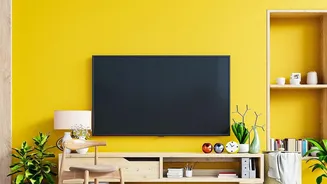
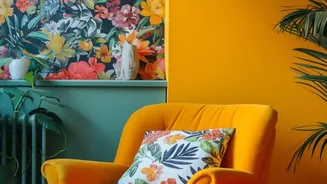
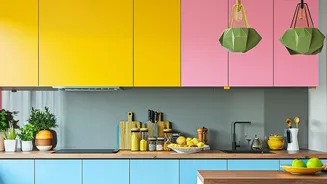
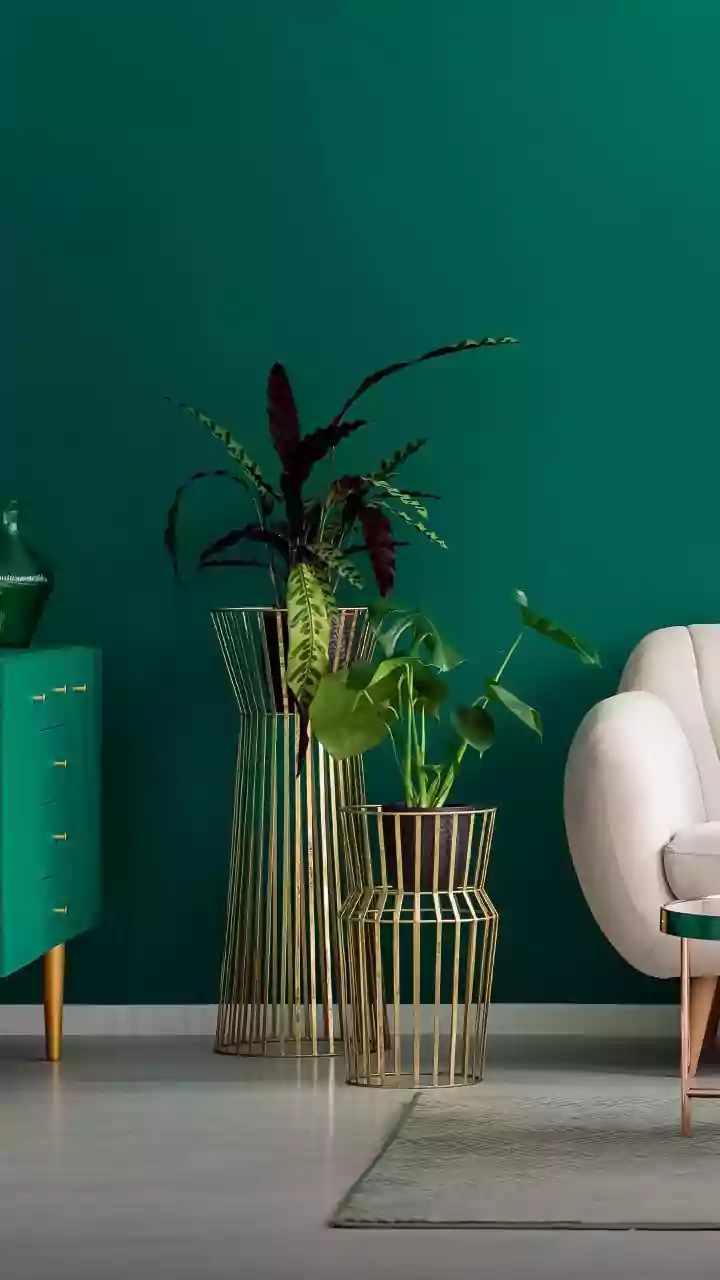
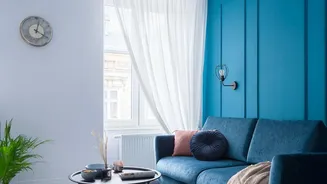
Colour blocking is an interior design trend that uses bold, contrasting blocks of solid colour to create a visually striking effect. Traditionally achieved with paint, this technique requires precision, multiple coats, and significant time for masking
and drying. Colour-blocking wallpaper translates this aesthetic into a simpler format. It comes in pre-designed rolls featuring geometric patterns and complementary hues, offering a way to achieve a complex, layered look in a fraction of the time.
The Real Cost of Professional Painting
To understand the savings, it’s essential to first look at the cost of painting in India. In 2026, hiring a professional painter involves more than just the price of the paint. Labour charges typically range from ₹10 to ₹25 per square foot for a standard repaint job, which includes surface preparation like scraping and sanding. For a full home, this can quickly add up. A standard 2BHK flat might cost anywhere from ₹18,000 to over ₹45,000 for labour alone, depending on the city and the condition of the walls. Special finishes like textures or stencil work can increase costs significantly, sometimes by ₹50 to ₹200 per square foot for a single accent wall. This doesn't even include the price of putty, primer, and premium emulsion paints, which can easily double the overall project cost.
The Wallpaper Cost Equation
At first glance, wallpaper can seem more expensive on a per-square-foot basis. While basic painting with labour might fall in the ₹18-₹30 per square foot range, wallpapers in India can start from around ₹99 per square foot for custom prints and go up from there. However, the key difference lies in the labour. Most modern wallpapers, especially 'peel-and-stick' varieties, are designed for DIY installation. This completely eliminates professional labour costs, which can constitute a large portion of a painting budget. Even if you hire a professional for wallpaper installation, the job is often faster, requiring fewer days of work, which can still lead to savings compared to a multi-stage painting project with extensive prep and drying times.
DIY-Friendly and Time-Saving
The primary saving with colour-blocking wallpaper comes from cutting out professional labour. Installing peel-and-stick wallpaper is a manageable DIY project that can often be completed in a single afternoon. The process involves cleaning the wall, measuring and cutting the paper, and carefully applying it. This contrasts sharply with painting, which is a multi-day affair involving messy prep work, applying primer, waiting for it to dry, applying a first coat of paint, waiting again, and finally applying a second coat. The dust, fumes, and general disruption are significantly lower with wallpaper. For those who value their time and prefer to avoid the coordination and cost of a painting crew, this is a major advantage.
Beyond the Budget: Other Benefits
The advantages of wallpaper extend beyond just labour savings. High-quality wallpaper is remarkably durable, often lasting up to 15 years, which is significantly longer than the typical 3-5 year lifespan of a coat of paint. Modern wallpapers are also easy to clean and can be wiped down, making them practical for high-traffic areas. They are also excellent at concealing minor wall imperfections like small cracks or uneven plaster, which paint tends to highlight. For renters, peel-and-stick options offer a damage-free way to personalise a space without risking their security deposit, as they can be removed cleanly when it's time to move.
Things to Keep in Mind
While the benefits are compelling, wallpaper isn't a universal solution. Success depends heavily on proper wall preparation. Walls must be clean, smooth, and dry for the adhesive to work correctly. Applying wallpaper on textured or damp walls is not recommended. While DIY installation is possible, matching intricate patterns can be tricky and requires patience. Furthermore, while the upfront material cost for wallpaper is higher than paint, the savings are realised by avoiding labour. It's most effective for creating a high-impact feature wall, where its design potential shines, rather than papering an entire house. Often, the most cost-effective strategy is a hybrid approach: wallpaper one accent wall and paint the other three.