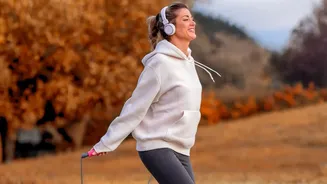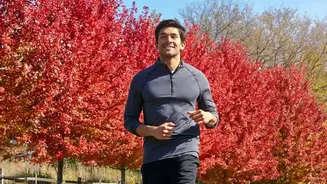



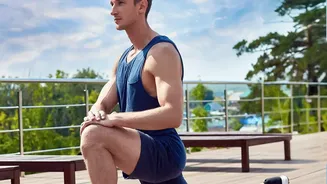

Embrace the Autumn Advantage
Before modifying your routine, it's worth appreciating why this season is so good for exercise. Cooler temperatures mean your body doesn't have to work as hard to regulate its core temperature, which can lead to improved endurance and performance. Studies
suggest that exercising in cooler weather can help you go longer and push harder. Beyond the physical benefits, being active outdoors in the fall is a proven mood booster. Exposure to nature can reduce stress and anxiety, while the changing scenery provides a motivating and mentally stimulating environment. This is the perfect time to build a consistent routine before winter arrives.
The Art of Smart Layering
Dressing for an October workout is a science. The goal is to regulate body temperature by managing moisture and trapping heat without overheating. Instead of one heavy jacket, use a three-layer system. The base layer, which sits against your skin, should be made of a moisture-wicking material like merino wool or a synthetic polyester blend. This pulls sweat away from your body to keep you dry. Avoid cotton, as it traps moisture and can make you feel cold and clammy. The mid-layer provides insulation; fleece or a light down vest works well to trap body heat. The outer layer is your shield against the elements. A lightweight, wind-resistant, and water-resistant jacket will protect you from blustery winds and light rain without causing you to overheat. You can easily remove layers as you warm up.
Prioritise a Dynamic Warm-Up
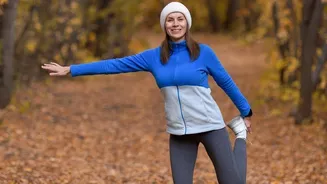
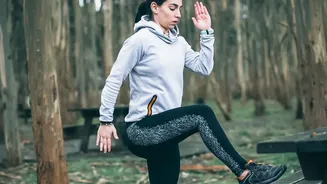
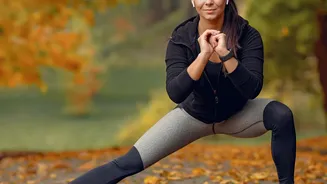
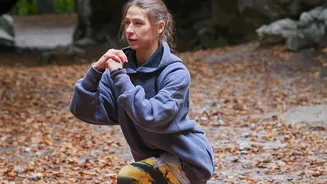
Cold muscles are less flexible and more prone to injury, making a proper warm-up essential before any outdoor workout in the fall. Static stretching (holding a stretch for a period of time) is best saved for after your workout. Before you start, focus on dynamic stretches, which involve active movements that prepare your body for exercise. These movements increase blood flow and muscle temperature. Try starting with five minutes of light cardio, like jogging in place or jumping jacks, to get your heart rate up. Follow this with dynamic stretches such as leg swings (front-to-back and side-to-side), high knees, butt kicks, and torso twists. This preps your joints and muscles for the specific demands of your workout.
See and Be Seen: Safety in Shorter Days
With daylight hours dwindling, chances are some of your workouts will be in low-light conditions. Visibility is your top priority. Wear bright, reflective clothing to ensure you are easily spotted by drivers and cyclists. Many athletic brands now incorporate reflective strips into their gear, but a reflective vest is also a great investment. Consider using a headlamp or clip-on blinking lights, which not only make you more visible but also help you see potential obstacles like potholes or uneven pavement. If you're running on roads without a sidewalk, always move against the flow of traffic so you can see oncoming vehicles. It's also wise to stick to familiar, well-lit routes and let someone know where you are going and when you expect to be back.
Rethink Your Hydration Strategy
It's a common mistake to think you don't need to hydrate as much in cooler weather because you don't feel as thirsty. However, your body still loses a significant amount of fluid through sweat and respiration in the cold, dry air. In fact, your thirst response can be reduced by up to 40% in cold conditions, making it an unreliable indicator of your hydration needs. Dehydration can still sap your energy and impair performance. Aim to drink water consistently throughout the day and consume at least one bottle of fluid for every hour of exercise. Replenishing electrolytes also remains important, as they are lost through sweat regardless of the temperature and help your body retain the fluids you drink.