


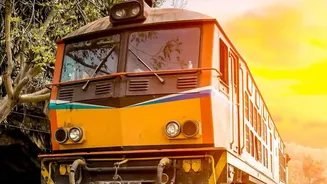

The Rebellion Against ‘Rush-Hour’ Tourism
For years, the travel mantra was 'faster is better'. Budget flights made it possible to have breakfast in one city and lunch in another, but this culture of speed came at a cost: travel burnout. Today's young travellers, particularly Gen Z and millennials,
are increasingly rejecting this 'checklist tourism'. The hassle of airports—long queues, security theatre, and the race to the gate—has lost its appeal. Instead, there's a growing desire for 'slow travel', a philosophy that values connection, mindfulness, and meaning over a packed itinerary. It’s a deliberate shift away from trips that leave you needing a vacation from your vacation, towards experiences that restore rather than exhaust.
Making the Journey the Destination
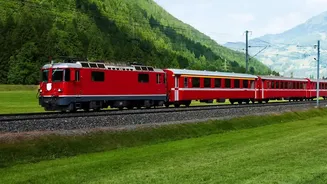
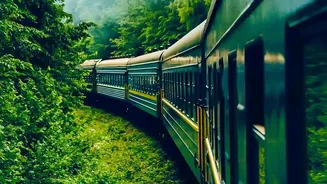
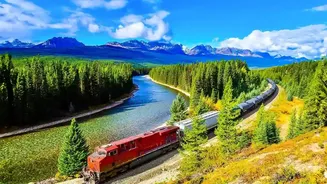
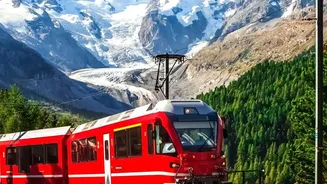
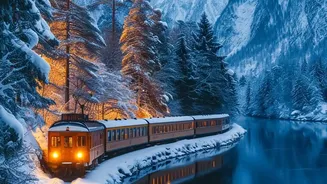
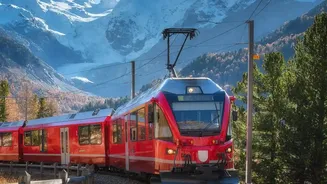
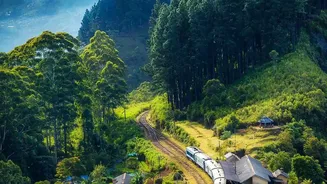
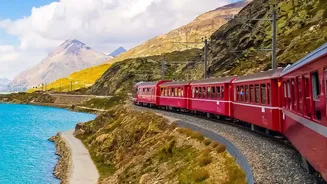
The magic of train travel lies in something a flight can never offer: the view from the window. Rail journeys turn travel time into part of the adventure. Passengers become spectators to a moving landscape, watching cities melt into countryside, mountains rise in the distance, and coastlines unfold. This immersive experience is at the heart of the train's comeback. Modern trains, with amenities like panoramic windows, spacious seating, and dining cars, make the experience comfortable and social. It’s a space where you can read, work, chat with fellow passengers, or simply watch the world go by, transforming the transit from a stressful necessity into a cherished part of the holiday itself.
The Sustainable Track Forward
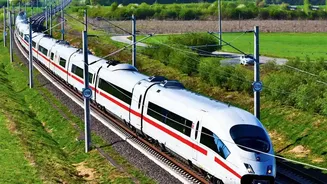
For a generation deeply concerned about the climate crisis, the environmental argument for rail is compelling. Train travel produces significantly fewer carbon emissions per passenger compared to flying. On some routes, taking a train can cut CO2 emissions by as much as 90% versus an equivalent flight. This concept of 'flight shame' or climate anxiety has made young, eco-conscious travellers actively seek out greener alternatives. Choosing the train is a tangible way to reduce one's carbon footprint without sacrificing the desire to explore, aligning travel habits with personal values. It’s a decision that feels both good and responsible.
India’s Great Rail Revival
This global trend is finding powerful expression in India. Indian Railways has tapped into the demand for experiential travel with its Vistadome coaches, which have become a sensation. These coaches feature large glass windows, transparent roofs, and rotating seats, offering passengers breathtaking, panoramic views of the surrounding scenery. Routes like the Kalka-Shimla line, the Konkan Railway along the Goa coast, and the journey through the snow-clad Kashmir Valley have been transformed into must-do experiences. These scenic journeys, actively promoted and shared on social media, are drawing a new generation of domestic tourists who are discovering that some of the world's most spectacular adventures are right here on home soil.
From Old-World Charm to a New-Age Trend
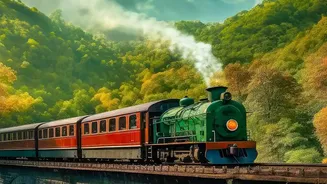
The resurgence of rail travel is not just about nostalgia; it’s about a fundamental shift in what we value in a journey. It's a move towards authenticity, sustainability, and a more human pace of life. In a hyper-connected, fast-paced world, the slow, steady, and scenic path of the train offers a welcome escape. It gives travellers permission to slow down, to be present, and to find joy not just in arriving, but in the simple, profound act of travelling. The train is no longer just a mode of transport; for many young adventurers, it has become the experience itself.