

Understanding the Autumn Bloom
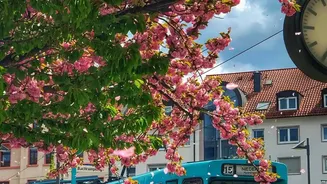
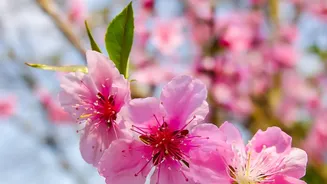
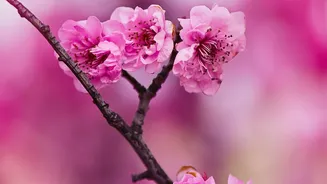
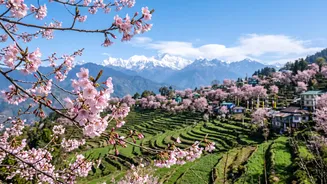
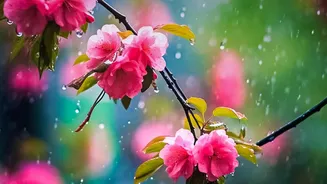
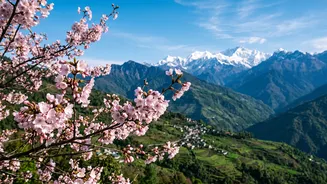
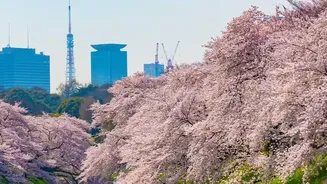
Unlike the famous spring cherry blossoms of Japan, Sikkim's display is an autumn affair. The Himalayan wild cherry, or Prunus cerasoides, typically flowers between late October and December, with the peak bloom gracing the hillsides in mid-to-late November.
This makes the festival a unique experience, painting the landscape in shades of pink just as winter begins to set in. The festival is a community-based tourism event designed to showcase not just the blossoms but also the local way of life. It brings together farmers, entrepreneurs, and cultural groups, offering a platform to display their products and traditions.
Festival Hub: Temi-Tarku in Namchi
While cherry trees dot the state, the official celebrations for 2026 are centred in the Temi-Tarku area of Namchi district. The festival is scheduled to run from November 25 to 28, according to the Temi-Tarku Tourism Development Committee (TTTDC). Some reports also indicate a longer festival period, potentially from November 14 to 28, offering visitors more flexibility. The focal point is often the Temi Tea Garden, Sikkim’s only tea estate. Here, the pink blossoms create a breathtaking contrast against the vibrant green of the tea bushes, with the snow-capped Kanchenjunga often visible in the background.
What to Expect: Culture, Food, and Adventure
The Sikkim Cherry Festival is more than just a floral spectacle; it’s a vibrant cultural fair. Visitors can expect a variety of events, including live music, traditional dance performances, and stalls selling local handicrafts. Food is a major highlight, with opportunities to sample authentic Sikkimese cuisine, including momos and thukpa, alongside the famous organic Temi tea. For the more adventurous, past festivals have included activities like mountain biking, paragliding, and guided walks through the blossoming slopes. One of the key events planned for the 2026 festival is the 'Dragon Run 2.0' on November 28, aimed at promoting fitness and community spirit.
Exploring Beyond the Festival in Namchi
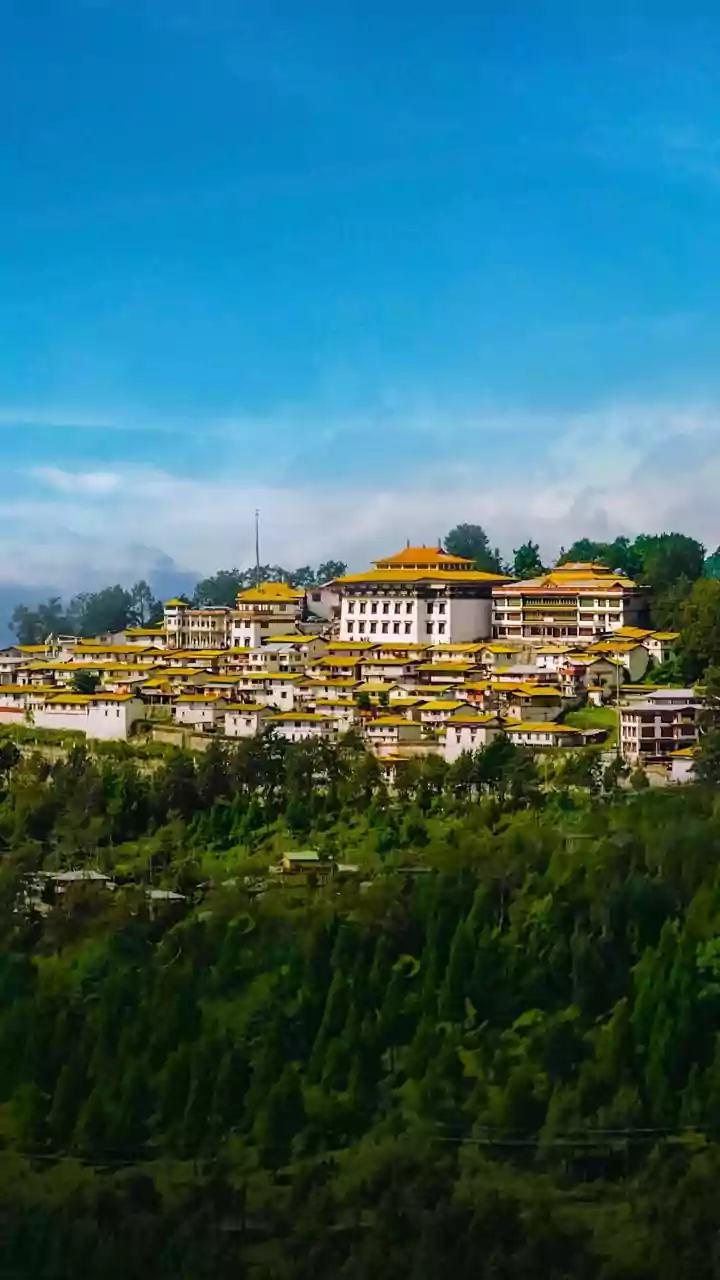
Namchi, the 'cultural capital' of Sikkim, offers plenty to see and do beyond the festival itself. The town is home to two towering statues: the 135-foot statue of Guru Padmasambhava on Samdruptse Hill, known as the 'wish-fulfilling hill', and the 87-foot statue of Lord Shiva at Siddheshwar Dham, a sprawling pilgrimage complex. For nature lovers, Namchi Rock Garden showcases Himalayan flora, while a short drive can take you to Ravangla, home to the beautiful Buddha Park. These sites make Namchi a fantastic base for exploring the rich heritage and natural beauty of South Sikkim.
Planning Your Visit: Travel and Accommodation
Reaching Namchi requires a bit of planning. The nearest major airport is Bagdogra (IXB) in West Bengal, approximately a 4-6 hour drive away. The closest railway station is New Jalpaiguri (NJP). From either location, you can hire a private taxi or take a shared jeep. Given the festival's popularity, it's wise to book accommodation well in advance. Options in and around Temi include the Temi Tea Garden's own guesthouse and various village homestays, which offer an authentic local experience. The nearby towns of Namchi and Ravangla also provide a wider range of hotel options.