






The End of an Era?
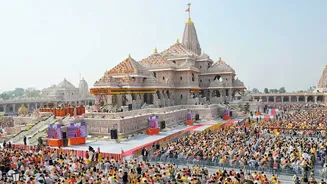
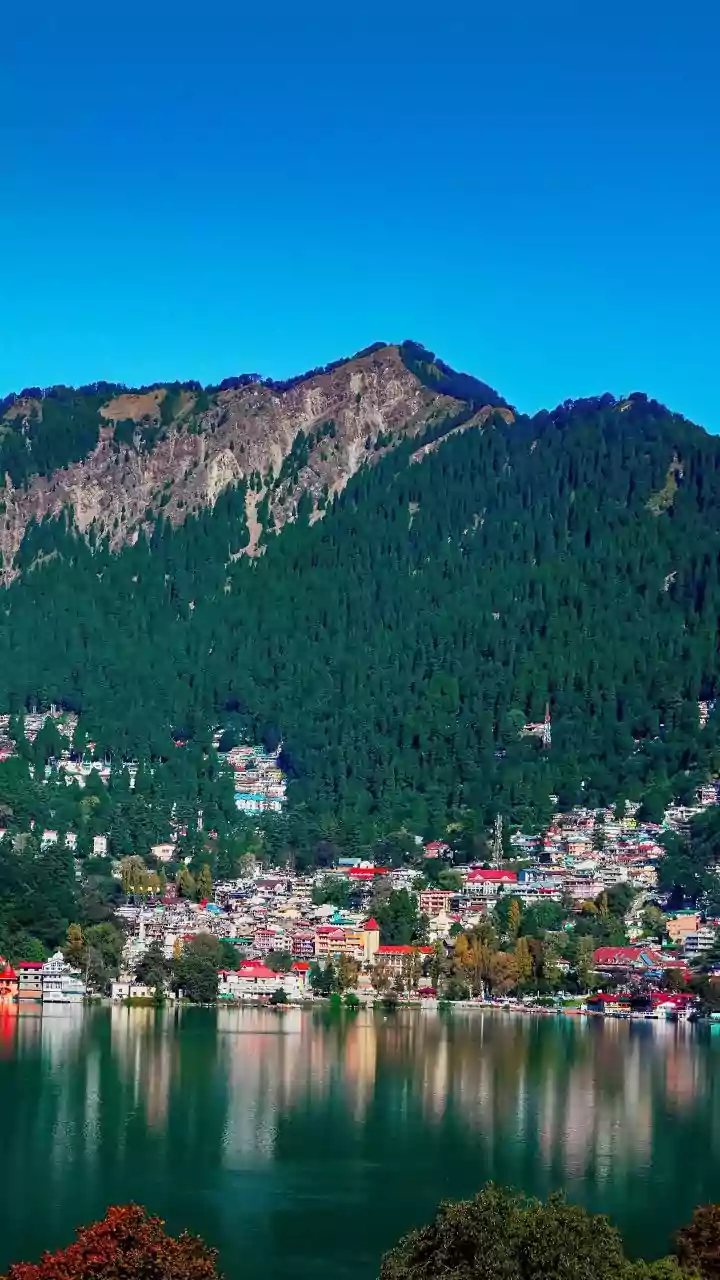
For decades, the Indian travel map for young people was predictable. A trip to Goa meant beach shacks and nightlife. A summer escape to Manali or Shimla promised relief from the heat, albeit with thousands of other tourists. These destinations became
rites of passage, immortalised in films and fuelled by word-of-mouth. But their very popularity has become their biggest drawback. Today, these hotspots are often synonymous with traffic jams, inflated prices, and a relentless commercialisation that can feel anything but relaxing. The search for a spot on a crowded Baga Beach or a quiet moment on Shimla’s Mall Road has become a frustrating exercise for many, prompting a fundamental question: is this really a vacation?
The Allure of the Cold
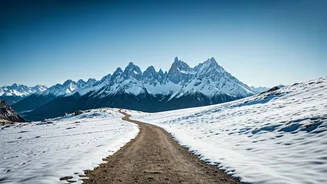
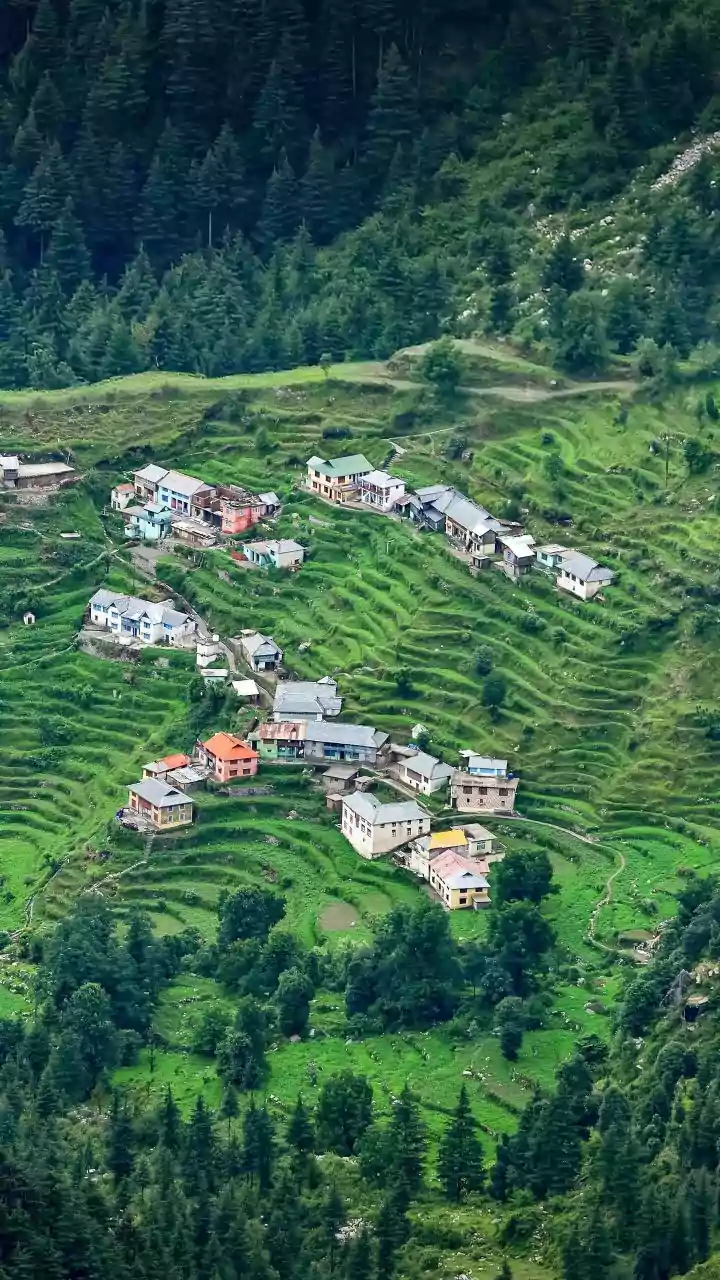
Enter the counter-narrative: the cold-weather pilgrimage. A growing cohort of millennial and Gen Z travellers from India is actively seeking out destinations defined by snow, wind, and lower temperatures. The new dream destinations aren't necessarily tropical paradises but remote Himalayan villages in Spiti Valley, pristine landscapes in Arunachal Pradesh, or the stark beauty of a Leh winter. This isn't just about escaping the Indian summer; it's a year-round trend. Travellers are chasing winter snows in Auli, experiencing the monsoon chill in Meghalaya’s misty hills, and even venturing abroad to places like Iceland and Scandinavia, swapping bikinis for thermal wear. The appeal lies in the novelty, the dramatic landscapes, and the profound sense of peace that often accompanies these less-populated places.
Beyond the Thermometer
This shift, however, is about much more than just temperature preference. It reflects a deeper change in values. Firstly, there’s the quest for authenticity. Young Indians are increasingly looking for genuine cultural immersion and unique experiences that can’t be bought in a tourist trap. They want stories, not just souvenirs. Staying in a local homestay in a remote Ladakhi village or learning about local customs in Ziro Valley holds more appeal than a generic hotel stay. Secondly, there is a rising consciousness about overtourism. This generation is acutely aware of the environmental and social strain that mass tourism places on popular destinations. Choosing a less-travelled path is seen as a more responsible and sustainable way to travel, a small act of rebellion against the hyper-consumerist travel model.
Social Media's New Currency
Ironically, the very platform that helped create the cliché of the “Instagram-famous” location is now driving this move towards the obscure. The social currency is no longer a photo from a famous cafe in Manali that a thousand others have posted. Instead, it’s a breathtaking video of a frozen Pangong Tso, a quiet moment captured in a snow-covered forest, or a story about spotting a rare bird in the Eastern Himalayas. The algorithm rewards novelty, and so does the audience. The new bragging right isn't about having been to a popular place; it’s about discovering a hidden gem before it hits the mainstream. This digital word-of-mouth creates a feedback loop, turning remote dots on a map into the next must-see destinations for those in the know.
The Industry Takes Note
The travel industry, ever-responsive to consumer demand, is adapting quickly. Tour operators who once focused exclusively on the ‘Golden Triangle’ or beach packages are now curating experience-driven itineraries to places like Tawang and the Nubra Valley. Boutique hotels, eco-lodges, and sustainable homestays are mushrooming in these emerging regions, catering to a clientele that values design, sustainability, and local integration. Airlines are launching new routes to smaller airports, and marketing campaigns are increasingly showcasing the rugged, untouched beauty of India's colder regions. This pivot signals that the trend is not a fleeting fad but a significant and sustainable shift in the market.