




A Return to Health-Conscious Roots
For a generation hyper-aware of wellness, the appeal of terracotta, or 'mitti ke bartan', is deeply practical. Unlike modern non-stick pans which can release chemicals at high heat, unglazed clay pots are entirely natural and toxin-free. The porous nature
of clay allows for slow, even cooking, which helps retain the nutrients in food that might otherwise be destroyed by harsh, direct heat. Furthermore, clay is naturally alkaline, which can help neutralize the pH balance of acidic foods like tomato-based curries, making them easier to digest and imparting a subtle, natural sweetness. This ancient cooking method also requires less oil, as the pot’s ability to circulate steam and moisture prevents food from sticking, a major plus for health-conscious individuals.
Sustainability as a Core Value
Gen Z's consumer habits are increasingly shaped by environmental concerns. Studies show this generation is more willing to support brands and products that align with their values of sustainability. Terracotta pots are a perfect fit for this eco-conscious mindset. They are made from the earth and are fully biodegradable, offering a stark contrast to mass-produced metal and plastic cookware that contributes to landfill waste. This return to an ancestral, zero-waste product is not just about cooking; it's a statement. It reflects a deliberate choice to live more sustainably and reject a throwaway culture, a core tenet for many young consumers who prioritize minimizing their environmental footprint.
The Allure of Authenticity and Aesthetics
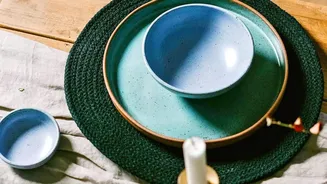
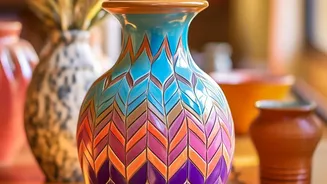
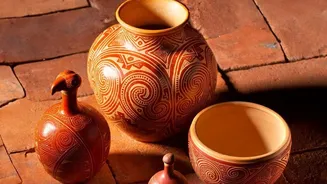
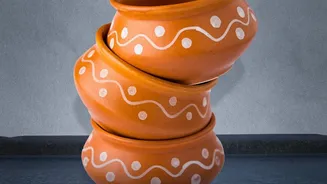
In a world of mass production, handcrafted items signal a connection to heritage and authenticity. For Gen Z, who often seek to curate their lives with meaningful objects, an artisanal terracotta pot is more than just cookware; it's a piece of culture. These pots, often made by traditional pottery clusters in regions like Kutch or Sawai Madhopur, carry the story of their maker and place of origin. This narrative is incredibly appealing. Furthermore, the rustic, earthy aesthetic of terracotta is perfectly suited for the visual world of social media. An artfully prepared meal served in a beautiful clay handi is not just food; it's content. It signals a lifestyle rooted in intention, wellness, and a connection to tradition, making it a surprising but potent status symbol for a new generation.
Rediscovering Flavour and the Joy of Slow Cooking
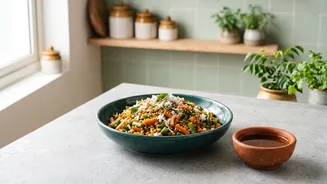
Perhaps the most compelling reason for this revival is the taste. Cooking in clay pots is known to enhance the flavour and aroma of food in a way that modern cookware cannot replicate. The slow and even distribution of heat allows ingredients to meld together, deepening the flavours of everything from dal to biryani. The porous clay locks in steam, keeping food moist and tender while infusing it with a unique, earthy essence. This process encourages a more mindful and patient approach to cooking, turning meal preparation from a chore into a rewarding ritual. For a generation seeking refuge from the frantic pace of modern life, the deliberate process of slow cooking in a traditional vessel offers a powerful sense of comfort and connection.