
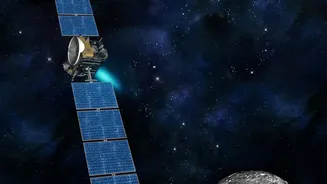
The Old Problem: The Tyranny of Fuel
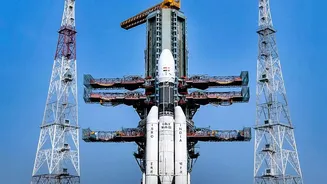
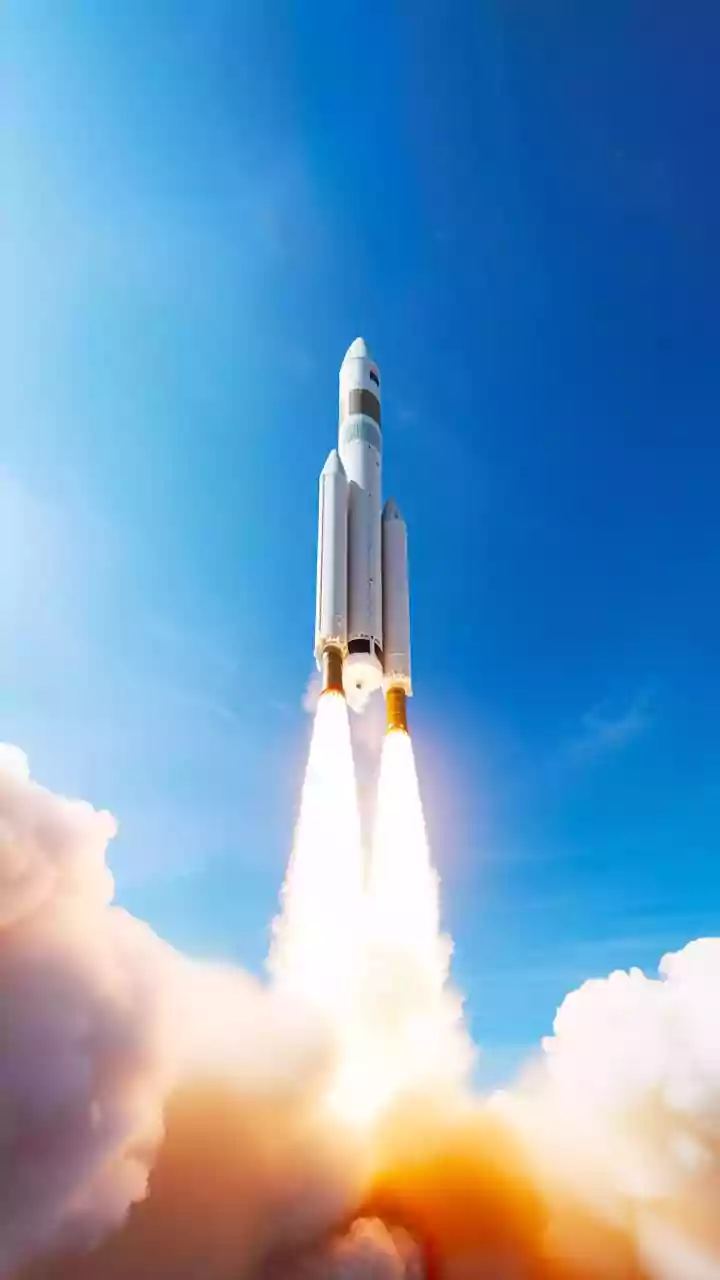
For decades, satellites have navigated space using chemical propulsion. Think of it like a series of controlled rocket bursts to adjust orbit or maintain position. This method is reliable and provides powerful thrust, but it comes with a major drawback:
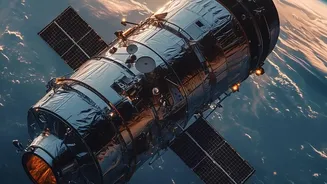
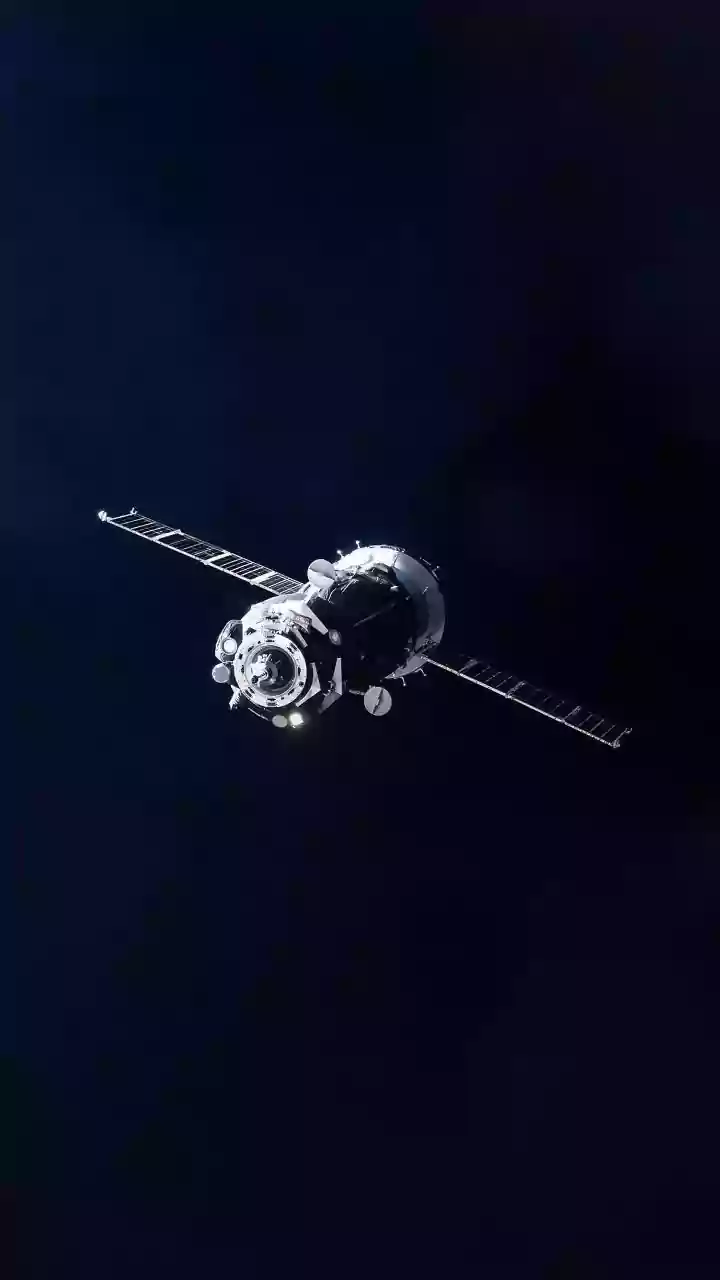
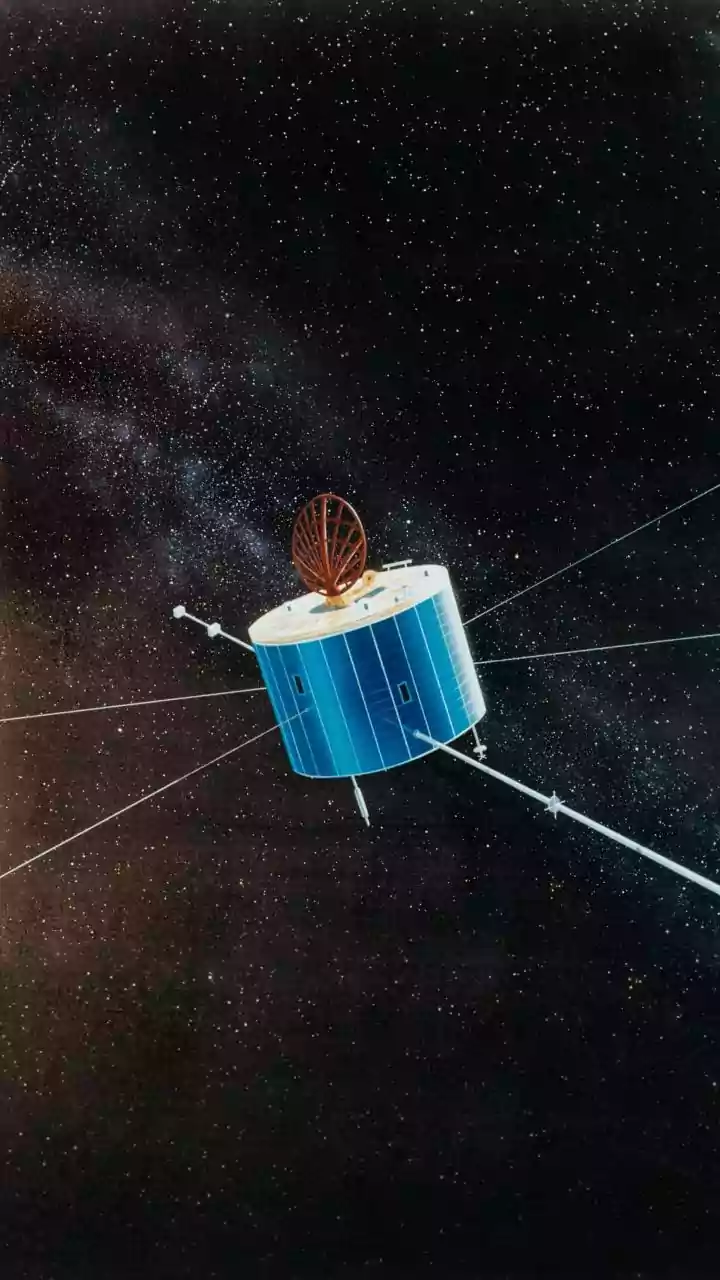
its fuel is heavy. A conventional communications satellite weighing four tonnes might need to carry a staggering two tonnes of chemical propellant. This massive fuel load dictates the satellite's design, leaving less room and weight for the actual mission-critical hardware, like transponders or scientific instruments. It also significantly increases launch costs, as every extra kilogram launched into orbit is expensive. Once that propellant is spent, the multi-crore satellite, though otherwise perfectly functional, becomes little more than space debris.
Enter Electric Propulsion
Electric propulsion (EP) systems, including plasma thrusters, offer a revolutionary alternative. Instead of relying on chemical reactions, they use electrical power, typically generated by the satellite's solar panels, to accelerate a propellant and generate thrust. The key advantage is incredible efficiency. One of the most promising types is the Hall-effect thruster, a technology ISRO has been developing. These thrusters use electric and magnetic fields to ionize an inert gas like xenon, turning it into a state of matter called plasma. This plasma is then accelerated at extremely high speeds to produce a gentle but constant push.
Lighter Loads, Longer Life
The benefits of this technology are twofold and directly address the core limitations of chemical thrusters. First, they slash the amount of propellant needed. That same four-tonne satellite that required 2,000 kg of chemical fuel might only need around 200 kg of xenon gas for an electric system. This massive weight reduction means satellites can be launched on smaller, cheaper rockets, or the saved weight can be used to pack in more revenue-generating transponders or advanced scientific gear. Second, because the propellant is used so efficiently, the satellite can operate for much longer. A mission planned for 15 years might be extended, as the thruster can continue making tiny, precise orbital adjustments for an extended period, maximizing the return on investment for each launch.
ISRO's Path to Self-Reliance
The Indian Space Research Organisation (ISRO) has been actively developing this crucial technology to achieve self-reliance. The work is spearheaded by centres like the Liquid Propulsion Systems Centre (LPSC). While an earlier satellite, GSAT-9, used Russian-made thrusters, ISRO is moving towards fully indigenous systems. A significant milestone was the successful 1,000-hour life test of a 300mN Stationary Plasma Thruster, proving its reliability for long-duration missions. This home-grown technology is slated to be validated in space aboard the Technology Demonstration Satellite (TDS-01), which will use the electric propulsion system for its orbit-raising manoeuvres.
A Strategic Shift for Future Missions
Mastering electric propulsion is more than just an engineering upgrade; it is a strategic enabler for ISRO's future ambitions. While the thrust is much lower than chemical rockets—meaning it can take months, rather than days, to move a satellite into its final geostationary orbit—the trade-off is well worth it for many applications. This technology is vital for the next generation of communication satellites, which can now be lighter and more capable. Furthermore, the high efficiency of plasma thrusters is crucial for long-duration space science and interplanetary missions, where carrying massive amounts of chemical fuel is simply not feasible. It opens the door to more complex and ambitious explorations of our solar system, powered by Indian technology.