







Which Regions Are Affected?
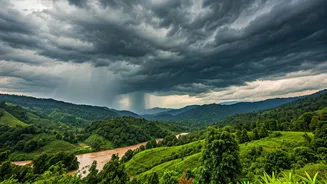
The IMD's orange alert is currently in effect for multiple states across the Northeast. This includes Assam, Meghalaya, Arunachal Pradesh, Nagaland, Manipur, Mizoram and Tripura. These regions are bracing for intense downpours, with forecasts indicating
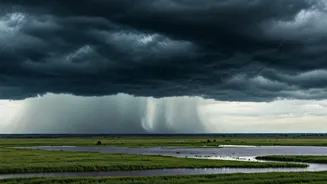
that some areas could receive extremely heavy rainfall. The alert comes as the southwest monsoon intensifies its activity over the region. Recent cloudburst-like events in Arunachal Pradesh have already triggered flash floods and landslides, causing downstream alerts in Assam, particularly in districts like Dhemaji, Lakhimpur, and Sonitpur, where river levels are expected to rise significantly.
Decoding the Orange Alert
The IMD uses a four-colour-coded system to warn the public about weather conditions. An 'orange alert' means authorities expect severe weather that could disrupt daily life and advises residents to 'Be Prepared'. It signifies a higher level of warning than a yellow alert ('Be Aware') but is less severe than a red alert ('Take Action'). For rainfall, an orange alert is typically issued when heavy to very heavy precipitation is expected, often between 115.6 mm and 204.4 mm in a 24-hour period. This level of rain significantly increases the risk of floods, traffic disruption, power outages, and landslides in vulnerable areas.
The Primary Dangers: Floods and Landslides
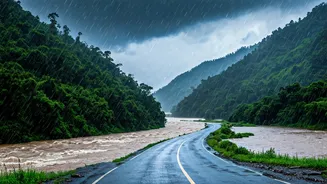
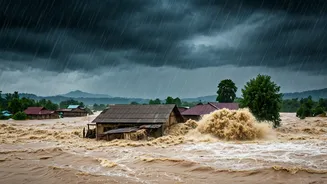
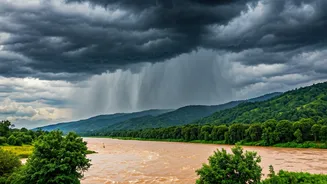
The geography of Northeast India, with its hilly terrain and numerous rivers, makes it particularly vulnerable to floods and landslides during the monsoon. Heavy rainfall can quickly saturate the ground, especially on steep slopes, leading to mudslides that can block roads and damage property. In low-lying areas and river plains, particularly along the Brahmaputra and its tributaries, intense rainfall leads to overflowing riverbanks and widespread flooding. Recent events have already led to the submergence of several areas in Assam and damage to infrastructure, including a railway bridge in the Dhemaji district. Residents in these areas are at the highest risk.
How to Stay Safe
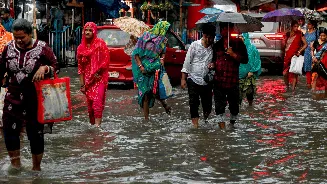
Authorities have urged residents in affected areas to take immediate precautions. It is crucial to stay updated with the latest weather forecasts and warnings from the IMD and local disaster management agencies. People are advised to avoid travel unless absolutely necessary and to stay away from vulnerable structures, riverbanks, and landslide-prone zones. Secure your home, unplug electrical appliances to prevent short circuits, and prepare an emergency kit with essentials like dry food, drinking water, a flashlight, and a first-aid kit. If you are in a low-lying area, be prepared for possible evacuation orders. Do not walk or drive through flooded areas, as the water can be deeper than it appears and may hide open manholes or debris.
A Recurring Challenge
The annual monsoon, while vital for the region's agriculture and water security, consistently poses significant challenges. The heavy rainfall that defines this season regularly leads to natural disasters that impact lives and livelihoods. Flash floods triggered by intense, short-duration rainfall are becoming more frequent, a trend that climate scientists are monitoring closely. This year's first wave of floods has already affected thousands of people across several districts in Assam. The situation highlights the continuous need for robust infrastructure, early warning systems, and community preparedness to mitigate the impact of these recurring weather events.