




From Data to Sound
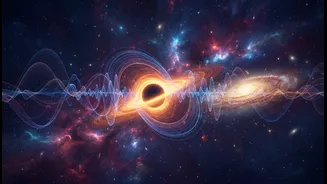
The project, led by NASA's Chandra X-ray Observatory, uses a technique called data sonification. This process translates digital data—the same ones and zeroes that create breathtaking space images—into sound. While the term might be new, the concept isn't;
think of a Geiger counter's clicks, which translate radiation levels into audible information. NASA's effort, which began in earnest in 2020, is a sustained program to make astronomical data an auditory experience. It's a collaboration between visualization scientists like Dr. Kimberly Arcand, astrophysicists, and musicians to turn silent data into a symphony of the stars.
How to Play a Galaxy
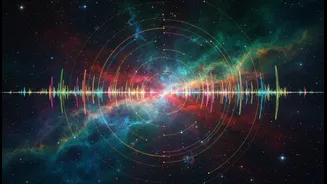
So how do you turn a picture of a nebula into music? The process involves mapping different properties of an image to musical elements. For instance, light sources near the top of an image might be assigned a higher pitch, while those at the bottom get a lower one. Brightness can control volume, making brighter stars or more intense gas clouds sound louder. The project team often scans an image from left to right or from the center outward, with the movement through the image creating a progression through time in the audio track. Different types of light are often assigned to different instruments. In the sonification of the Milky Way's galactic center, X-rays from Chandra sound like a glockenspiel, visible light from Hubble is represented by strings, and infrared light from Spitzer becomes a piano.
A Symphony of Stars
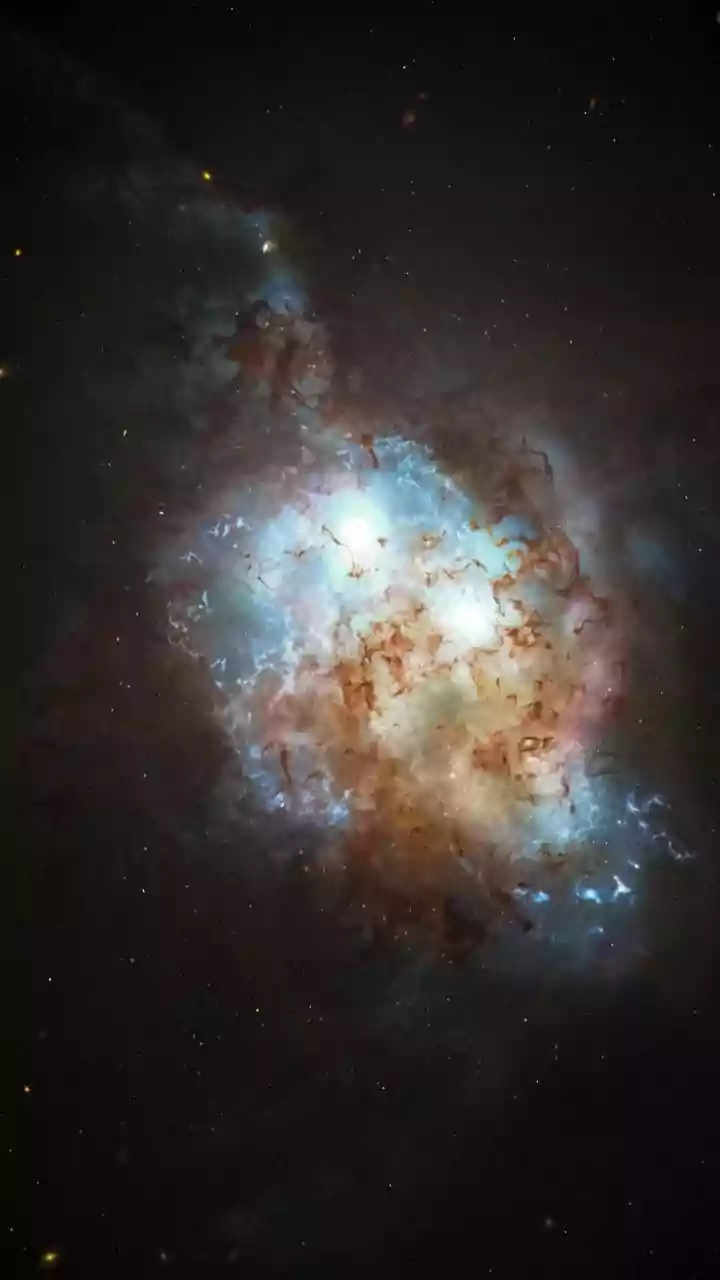
The results are as diverse as the cosmos itself. The sonification of the galactic center builds to a crescendo as the scan reaches the supermassive black hole at its heart. For Cassiopeia A, a supernova remnant, different chemical elements are represented by different pitches, allowing you to hear the distribution of materials like silicon, sulfur, and iron across the debris field. In the sonification of Messier 74, a spiral galaxy, X-ray sources are heard as glassy, plucked sounds, while data from the James Webb and Hubble telescopes are represented by synthesizer tones and percussive notes. Each piece is guided by the data, creating an authentic, if abstract, auditory portrait of a cosmic object.
More Than Just Music
While the idea of listening to a black hole is intriguing, the project has a deeper purpose. A primary motivation is to make astronomy more accessible to people who are blind or have low vision. By providing a rich, data-driven auditory experience, the project opens up the wonders of space to communities that have historically been excluded from the visual-heavy field of astronomy. Consultant Christine Malec, an accessibility expert and member of the blind community, helped guide the project to ensure its effectiveness. But the benefits are not limited to one group. Studies and feedback have shown that both sighted and visually impaired audiences enjoy the sonifications, finding them to be a powerful engagement tool.
A New Tool for Discovery
Sonification isn't just for public outreach; it's also emerging as a valuable tool for scientific analysis. The human ear is excellent at detecting patterns, and listening to data can sometimes reveal subtleties that are missed by visual inspection alone. Astronomers can use sonification to identify trends in data, such as the fluctuations of a variable star or the rhythm of a pulsar. While still a relatively new tool in astronomy compared to the telescope, the process of turning data into sound is used in many other scientific fields, from geology to biology. By adding another sensory dimension to data analysis, scientists are expanding their toolkit for exploring and understanding the universe.