




A quiet revolution is reshaping how Indians travel. Forget cookie-cutter hotels; a growing number of domestic tourists are choosing to sleep inside history itself, seeking out heritage homestays that offer more than just a bed for the night.
Beyond the Anonymous Hotel
The travel
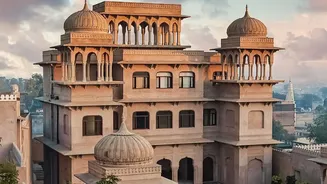
checklist for many Indians is evolving. It's no longer just about seeing the sights; it's about feeling the place. This desire for authenticity has fuelled the rise of heritage homestays, where the accommodation itself becomes a central part of the travel experience. These are not hotels, but ancestral homes—be it grand havelis, colonial-era bungalows, or centuries-old family forts—that have been lovingly restored and opened to guests. Unlike impersonal hotels, these stays are often run by the families who have lived there for generations, offering a direct and personal connection to the local culture and history. The trend reflects a broader shift towards experiential travel, where memories and meaningful connections are valued over simple sightseeing.
A Journey Through Living History
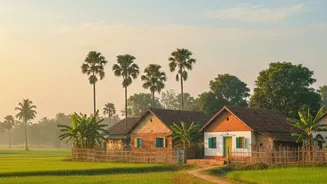
The diversity of India's heritage is mirrored in its homestays. In Rajasthan, travelers can live like royalty in the intricately carved havelis of Shekhawati or Jaipur, where hosts might share stories of their lineage over a traditional meal. Down south in Kerala, you can find yourself in a traditional 'tharavadu' (ancestral home) by the backwaters, experiencing the serene pace of life and local cuisine. Goa offers a different flavour with its elegant Portuguese-era villas, filled with antique furniture and the aroma of Goan-Portuguese cooking. Meanwhile, the Chettinad mansions of Tamil Nadu showcase the opulent history of the Chettiar community through their unique architecture and fiery cuisine. Each stay is a tangible piece of history, preserved and shared.
More Than a Room, An Experience
What sets these homestays apart is the deep cultural immersion they offer. Guests don't just eat local food; they eat home-cooked meals often prepared from family recipes passed down through generations. Conversations with hosts provide insights that no guidebook can offer. Many properties facilitate unique activities, from learning the art of turban-tying in Rajasthan to participating in a coffee harvest in Coorg or enjoying a lesson in Syrian Christian cooking in Kerala. This direct engagement transforms a vacation into a rich learning experience, fostering a genuine appreciation for the region's cultural fabric. For a growing number of travelers, this level of authenticity is the new luxury.
Breathing Life into Heritage and Economies
The trend has a powerful ripple effect. By choosing these stays, tourists directly contribute to the preservation of architectural treasures that might otherwise fall into disrepair. It creates a sustainable economic model where heritage pays for its own upkeep. This is a vital form of community-led tourism; the income generated supports local families, encourages the use of local produce, and provides employment for artisans and guides within the community. This not only boosts the local economy but also instills a sense of pride, encouraging communities to safeguard their traditions. Heritage tourism has been shown to have a high multiplier effect, benefiting a wide range of local services from transport to handicrafts.
The Future of Authentic Travel
The homestay market in India is expanding rapidly, with projections showing significant growth in the coming years. The rise of online platforms has made it easier than ever for travelers to discover and book these unique properties, bringing them from a niche interest into the mainstream. This shift is being driven by a new generation of Indian travelers who are curious, adventurous, and eager to connect with their own country on a deeper level. As this trend continues to grow, it promises a more sustainable and meaningful future for domestic tourism—one where travel enriches not only the traveler but also the communities and cultures they visit.