





The Backlash Against Burnout
Remember the era of the 'girlboss' and the endless glorification of hustle culture? The 2010s were defined by a narrative that equated success with sleep deprivation. Coffee was a personality trait, and burning the midnight oil was a badge of honour.
But for Gen Z, who entered the workforce during a pandemic and face economic uncertainty, that model seems less aspirational and more like a recipe for burnout. They've witnessed the mental and physical toll it took on millennials and are consciously choosing a different path. This isn't just about being tired; it's a quiet rebellion against a system that demanded constant productivity at the expense of well-being. Sleep is no longer a necessary inconvenience but the ultimate form of self-care and a radical act of resistance.
Crafting the Perfect 'Sleep Scape'
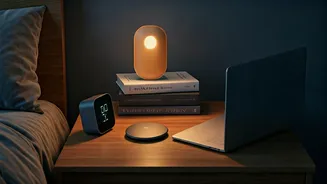
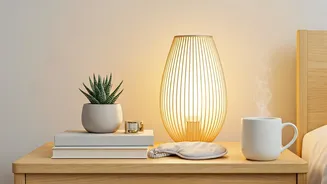
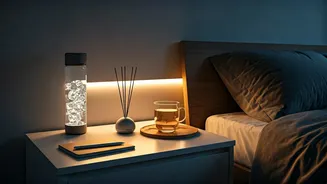
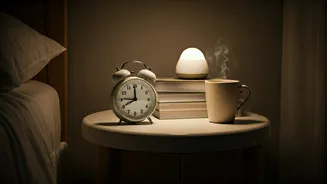
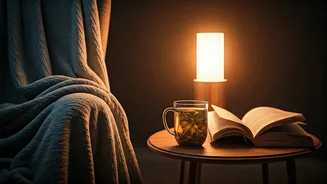
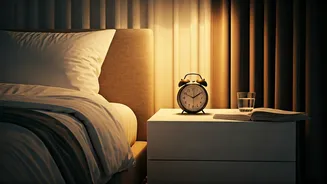
The romanticisation of sleep is most visible in its aesthetics. On platforms like TikTok and Instagram, getting ready for bed has become a multi-step, highly curated ritual. It’s not just about hitting the pillow; it's about creating a personal sanctuary dedicated to rest. This involves a whole suite of products that transform the bedroom into a 'sleep scape.' Think blackout curtains, weighted blankets for anxiety relief, silk pillowcases to protect skin and hair, and aromatherapy diffusers emitting calming scents like lavender and chamomile. The routine often includes sipping on magnesium-infused 'sleepy girl' mocktails, journaling to clear the mind, and strictly enforcing a 'no screens before bed' rule. It's a mindful, almost meditative process that frames sleep not as an afterthought, but as the main event of the evening.
The Booming 'Sleep Economy'
Where a trend emerges, a market follows. This renewed focus on rest has fuelled a massive 'sleep economy.' Brands are quickly capitalizing on Gen Z’s desire for optimized slumber. The market is flooded with everything from smart rings that track sleep cycles with granular data to advanced white noise machines, cooling mattresses, and a dizzying array of herbal teas and supplements promising a deeper sleep. Even travel is adapting, with 'sleep tourism' becoming a niche where hotels offer curated packages designed for maximum rest and relaxation. While many of these products can genuinely aid sleep, it also signals a shift where wellness, and sleep itself, is becoming a luxury commodity—something to be bought, optimised, and perfected.
A New Status Symbol
If bragging about pulling an all-nighter was the status symbol of the past, proudly declaring you got a full eight or nine hours is the new flex. On social media, you’ll find young people showing off their impressive sleep scores from tracking apps, sharing their elaborate bedtime routines, and discussing the benefits of a consistent sleep schedule. In a world that feels increasingly chaotic and out of control, curating one’s sleep is a way to exert authority over one’s own health and schedule. It signals discipline, self-awareness, and a commitment to mental health—qualities that are highly valued by this generation. Achieving a perfect night's rest has become an aspirational goal, a sign that you have your life together.
Is Perfect Sleep a New Pressure?
While prioritizing rest is an overwhelmingly positive development, this intense focus on 'perfecting' sleep can have a downside. The pressure to perform, which once lived in the office, might be creeping into the bedroom. The anxiety of not being able to fall asleep, or not achieving an 'optimal' sleep score on a tracker, can create a new form of stress—a phenomenon known as orthosomnia. The romanticisation of sleep, with its expensive gadgets and picture-perfect rituals, can also feel exclusionary. It risks turning a fundamental human need into another aspirational lifestyle that not everyone has the time, resources, or mental space to achieve. The challenge for Gen Z, and for all of us, is to embrace the benefits of good rest without letting it become another benchmark for success we feel pressured to meet.