
The Age-Old Matching Problem
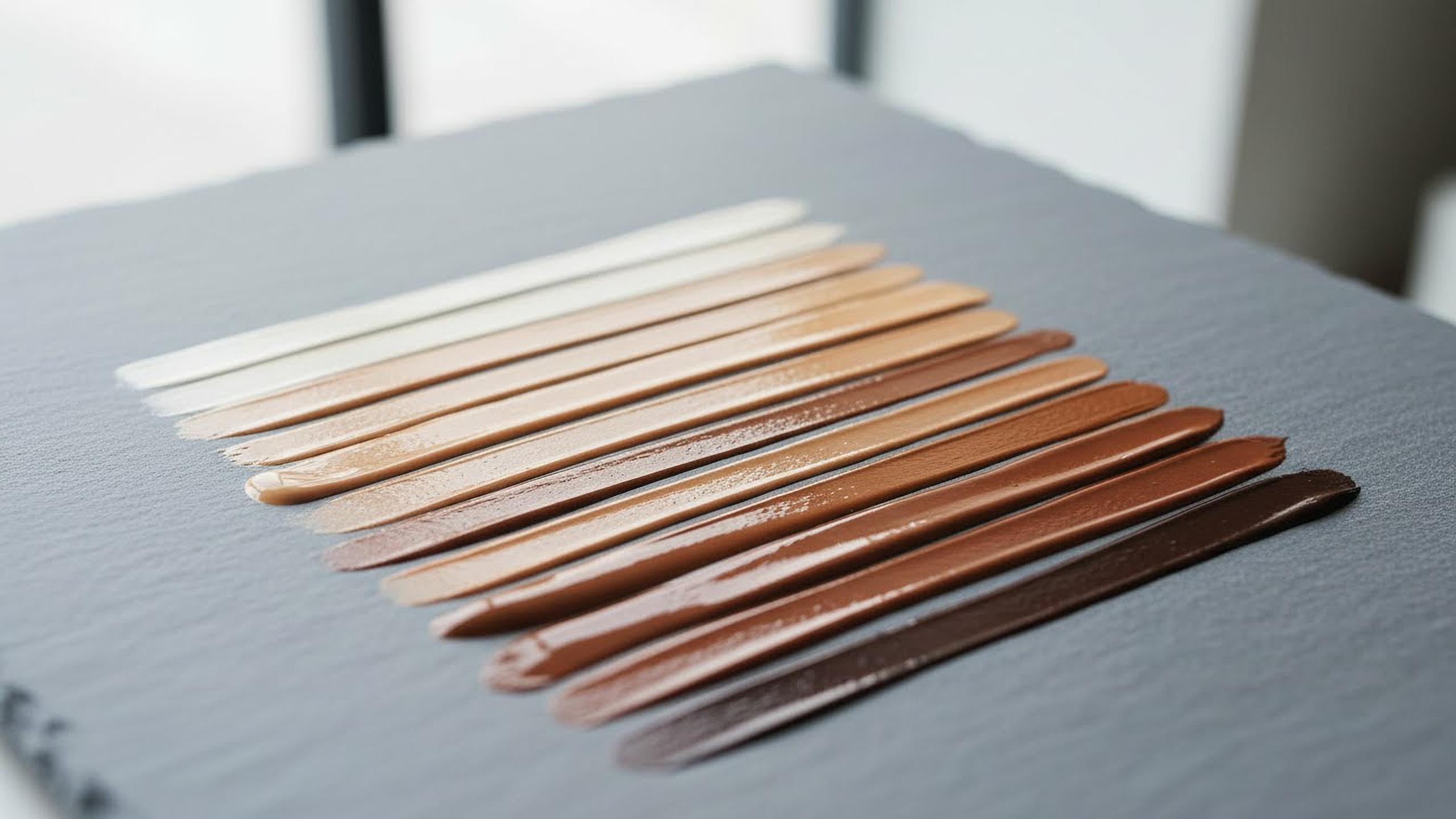
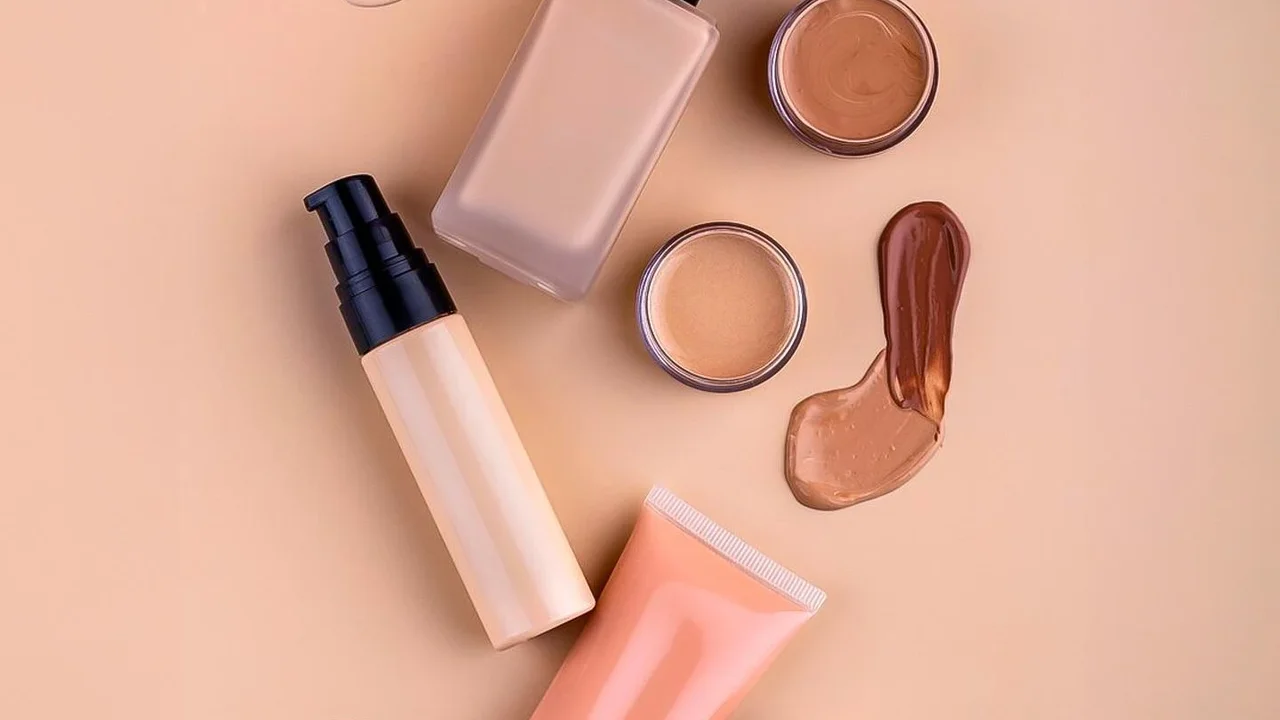
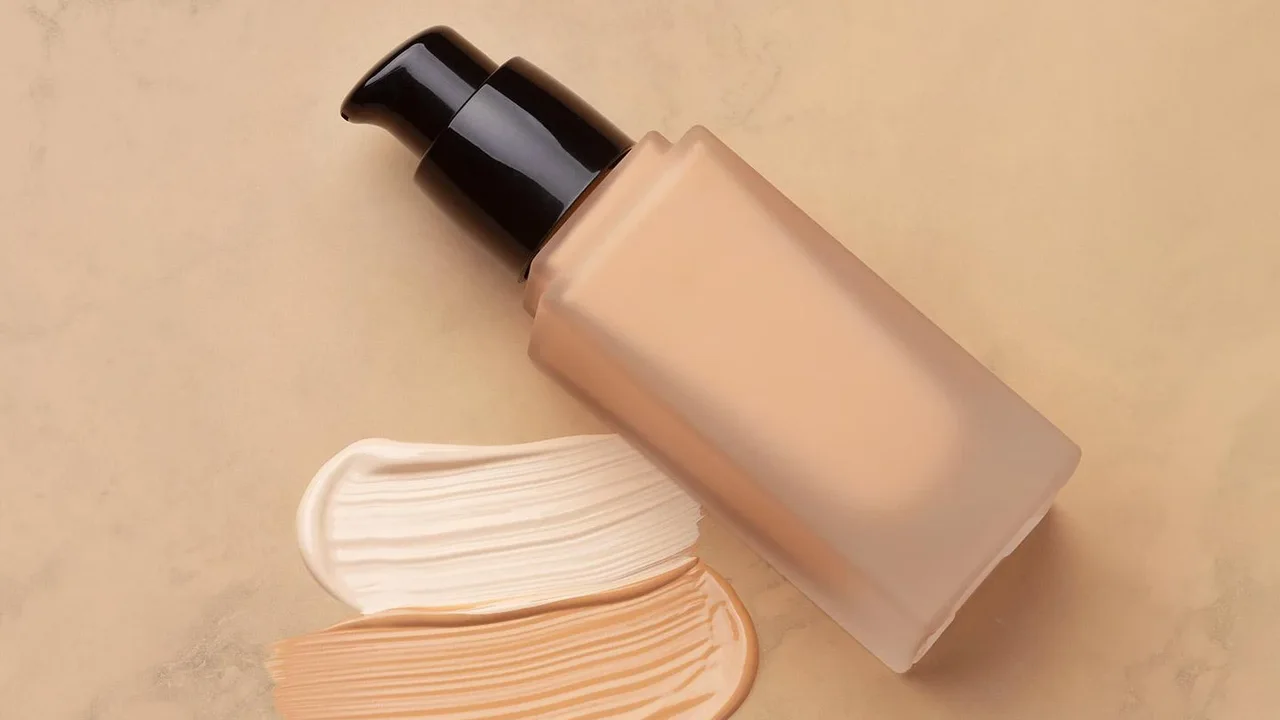
For decades, finding the right foundation shade has been more art than science. It often involves stripes of product tested on the jawline under the unforgiving glare of department store lights. The process is fraught with uncertainty. Is the lighting
too warm or too cool? How will it look in natural daylight? And what exactly is a 'neutral' versus a 'cool' or 'warm' undertone? This guesswork has led to frustration and wasted money for countless consumers. A key issue is that shoppers are often asked to self-diagnose their skin, a task that requires a level of expertise most people don't possess. This reliance on self-assessment is a major reason why finding a true match online or in-store remains so challenging.
How AI Enters the Picture
Enter artificial intelligence. Beauty and tech companies are now rolling out sophisticated AI-powered tools designed to eliminate the guesswork. These tools typically live on a brand's website or app and use your smartphone's camera to find your ideal foundation shade. Instead of relying on quizzes where you guess your skin's characteristics, these new systems use computer vision and deep learning to do the analysis for you. By taking a quick selfie or using a live camera feed, the technology can analyze your unique skin tone in seconds, offering a precise recommendation from the brand's product line. Some brands report that these tools can boost conversion rates by up to three times while significantly reducing product returns.
Behind the Screen: How It Works
The technology behind these shade finders is complex but the user process is simple. When you take a selfie, an AI algorithm gets to work. It uses computer vision to pinpoint multiple landmarks on your face, analyzing your skin tone and, crucially, your undertones across different areas. The system is trained on massive datasets, with some platforms analyzing up to 90,000 different skin tones. Advanced tools also adjust for the lighting conditions of your photo to ensure a more accurate reading. The AI then compares your analyzed skin data to its library of foundation shades, each with its own specific color values, to find the closest possible match. Many tools also include an augmented reality (AR) virtual try-on feature, allowing you to see how the recommended shade looks on your face in real-time.
The Brands Leading the Way
A growing number of beauty giants and tech startups are competing in this space. Companies like Perfect Corp. provide the underlying technology for major brands including Estée Lauder, MAC, and Tarte. Their systems can scan a face and deliver a match in-store or through a mobile app. Other brands like Mary Kay and Fenty Beauty have developed their own proprietary AI tools. Some platforms go even further, offering cross-brand matching. Services like Findation and Makeup Identifier allow you to input a foundation you already use and find its equivalent shade across dozens of other brands, which is invaluable if a favorite product is discontinued.
Is It Perfect?
While AI offers a huge leap forward, the technology is not yet infallible. The accuracy of the match can still be affected by the quality of your phone's camera and, most importantly, the lighting. Taking a photo in bright, natural daylight is crucial for the best results. Experts recommend taking photos without makeup and avoiding harsh shadows or direct sunlight. Despite these variables, the top AI tools can achieve impressive accuracy rates, sometimes over 90%. They provide a highly convenient, pressure-free way to get a reliable recommendation, but it's always wise to get a sample to confirm the match on your own skin if possible.
The Future of Personalized Beauty
AI foundation matching is just the beginning of a larger trend toward hyper-personalized beauty. The next frontier isn't just about recommending an existing product, but creating a custom one just for you. Some companies are already experimenting with systems that combine AI skin analysis with precision dispensing technology to create a unique foundation formula blended on the spot. This would eliminate the gap between a digital recommendation and the physical product. As AI and biotech continue to merge, we can expect a future where our makeup and skincare are not just chosen for us, but made for us, based on our unique data.