





More Than a Fruit, a National Obsession
For Americans, a seasonal fruit might mean the first strawberries of June or crisp autumn apples. In India, the mango occupies an entirely different plane of existence. It’s not just a fruit; it's a cultural phenomenon, a symbol of childhood, a source
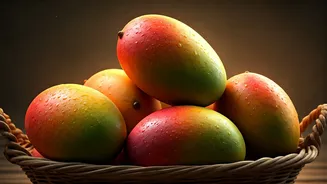
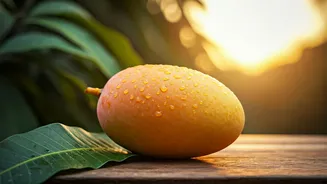
of fierce regional pride, and the undisputed flavor of the Indian summer. From April to July, life revolves around it. Markets overflow with hundreds of varieties, from the regal Alphonso of Maharashtra to the fragrant Banganapalli of the south. Newspapers run mango reports. Families plan vacations around visiting mango orchards. The fruit's arrival is a joyous occasion, but its departure, as the monsoon clouds gather, is an event filled with a unique mix of bittersweet urgency and celebratory indulgence.
A Race Against the Rains
The mango season's finale is dictated by nature. As the hot, dry air of summer gives way to the heavy humidity and torrential downpours of the monsoon, the quality and availability of mangoes plummet. The rains mark a definitive end. This natural deadline transforms the final weeks of the season into a national scramble. Street vendors do a brisk trade, their carts piled high with the last golden treasures. Households buy mangoes by the crate, not by the piece. The mission is clear: to consume as much of the fruit’s divine sweetness as possible before it vanishes for another nine months. It's a collective, unspoken understanding that this is the last chance to taste pure, unadulterated summer.
The Stars of the Grand Finale
While early-season varieties like the Alphonso get international attention, the true connoisseurs know the season saves some of its best for last. The final act belongs to the late-season mangoes, which thrive in the intense heat just before the rains. In North India, this is the season of the Chaunsa, a fruit with an almost impossibly sweet, fiberless pulp and an intoxicating aroma that can fill a room. Another late-season hero is the Langra, a slightly tart, greenish-skinned mango from the region around Varanasi that has a devoted following. These aren't just leftovers; they are the climax of the mango narrative, offering a final, decadent burst of flavor that fans eagerly await all year.
Savoring Summer's Memory
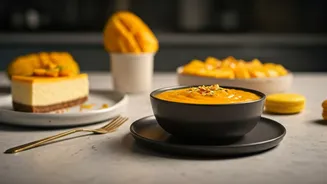
The end of the season is about more than just eating fresh mangoes. It’s also about preservation, a desperate and delicious attempt to bottle up the taste of summer for the long, mango-less months ahead. Kitchens across the country become workshops for turning the final harvest into lasting treats. Aamras, a thick, golden puree of mango pulp, is made in large batches and often frozen. Green, unripe mangoes are turned into a dizzying array of spicy, sour, and sweet pickles (achar). Perhaps the most nostalgic creation is aam papad, or mango leather—a sweet, tangy fruit roll-up made by sun-drying layers of mango puree. These preserved treats act as edible memories, offering a whisper of summer’s warmth during a cold winter evening or a rainy monsoon afternoon.