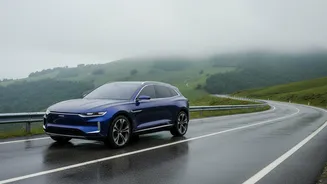





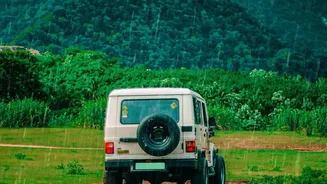
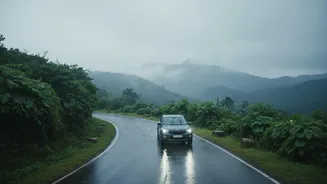

Tyres: Your Only Grip on Slippery Roads
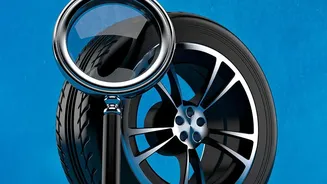
Your tyres are the single most critical safety component on a wet mountain road. Good grip is essential to prevent skidding on sharp turns and steep inclines. Before you leave, check that your tyre tread depth is well above the minimum legal limit of
1.6mm; for monsoons, at least 3mm is recommended for better water channelling. Use a coin to get a rough idea or ask a professional. Also, inspect the tyres for any cuts or bulges, and ensure the air pressure is at the manufacturer-recommended level, including the spare. Uneven pressure affects braking and handling, risks you cannot afford on treacherous terrain.
Brakes: The Ultimate Safety Net
Hill driving is a workout for your brakes, and wet conditions significantly increase your vehicle's stopping distance. Ensure your brake system is in top condition. If you hear any squealing or grinding noises, or if the brake pedal feels spongy, get it inspected immediately. A mechanic should check the thickness of the brake pads and the quality of the brake fluid. Dark or cloudy brake fluid has likely absorbed moisture, which can reduce braking efficiency, especially during the heavy use required for hill descents.
Visibility: Wipers, Lights, and Defogger
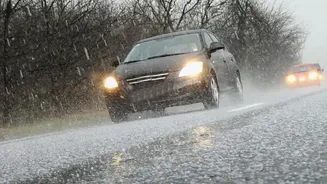
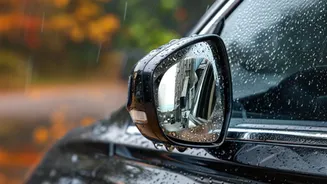
Heavy rain and fog are common in the hills during monsoon, making visibility a major challenge. Your wipers are your first line of defence. If they leave streaks or make a chattering noise, replace the blades. Top up your windshield washer fluid, adding a proper cleaning solution to cut through road grime. Equally important are your lights. Check that headlights, taillights, brake lights, and fog lamps are all working perfectly. Use your low-beam headlights in heavy rain to be visible to others without dazzling oncoming traffic. Also, test your car's air conditioning and defogger to ensure you can quickly clear a fogged-up windshield.
Engine and Electricals: The Heart of the Matter
Steep climbs put a heavy load on your engine. Make sure the engine oil and coolant levels are optimal to prevent overheating. The monsoon's high humidity and potential water exposure can also wreak havoc on your car's electrical systems. Get your battery checked, especially if it's more than three years old, as damp weather can affect its performance. Ensure the terminals are clean and all wiring is properly insulated to prevent short circuits. A dead battery on a remote mountain pass is a situation best avoided.
Suspension: For Those Unexpected Bumps
Monsoon rains often worsen road conditions, hiding potholes and creating rough patches. A healthy suspension system is crucial for maintaining control and ensuring a comfortable ride. During your pre-trip check, have a mechanic inspect the suspension for any signs of wear and tear. This is not just about comfort; a faulty suspension can affect your car's handling, which is critical when navigating unpredictable mountain roads.
The Emergency Kit: Your Roadside Companion
Even with a perfectly maintained car, it's wise to be prepared for the unexpected. Traffic jams due to landslides or heavy rain are common in the hills. Your emergency kit should be tailored for a monsoon trip. Include a powerful torch, a tow rope, a first-aid kit, a puncture repair kit, and jumper cables. It's also a good idea to pack extra water, non-perishable snacks, a power bank for your phone, and a towel. These simple items can make a huge difference if you find yourself stranded.