







Supercharging Climate Models
For decades, climate scientists have relied on complex computer simulations to project future warming scenarios. These traditional models, while powerful, are computationally expensive, sometimes taking weeks or months to run a single simulation. AI is changing
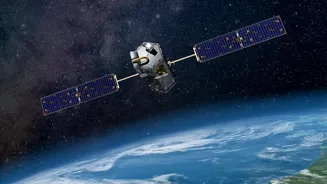
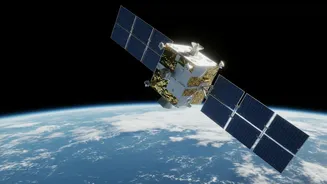
the game by dramatically accelerating this process. Machine learning algorithms can analyse vast datasets from satellites, ground sensors, and historical records, identifying intricate patterns that human researchers might miss. Companies like NVIDIA have developed platforms such as Earth-2, which uses AI to create high-resolution weather and climate predictions with remarkable speed and energy efficiency. This allows researchers to run more simulations, test more variables, and generate more accurate, localised forecasts for extreme weather events like floods and droughts.
From Prediction to Solutions
Beyond simply predicting the climate, AI is actively helping to find solutions. Researchers are using AI to discover and design new materials that can capture carbon more efficiently or create better batteries for renewable energy storage. AI is also being deployed to make our existing systems smarter. For example, it can optimise power grids to better integrate fluctuating renewable energy sources like wind and solar, ensuring a stable supply and reducing reliance on fossil fuels. In urban areas, AI projects like Google's Green Light initiative analyse traffic patterns to optimise traffic light timing, reducing stop-and-go traffic and cutting down on emissions at intersections.
A New Level of Accountability
One of the biggest challenges in climate action is accurately tracking greenhouse gas emissions. Traditional methods are often based on estimates and self-reporting, which can be slow and inconsistent. AI offers a more precise alternative. By analysing satellite imagery and other data streams, AI systems can monitor deforestation in real-time or even pinpoint methane leaks from industrial sites. Methane is a particularly potent greenhouse gas, and identifying these "super-emitter" events quickly is crucial. Organisations like CO2 AI are now providing platforms that automate the entire process of emissions tracking for companies, turning weeks of manual work into a task that takes minutes and making corporate climate responsibility more transparent and actionable.
The Inconvenient Paradox
Despite its immense potential, the rise of AI in climate science presents a significant paradox. The massive data centres required to train and run these complex AI models are incredibly energy and water-intensive. This means the very tool being used to fight climate change is also contributing to resource consumption and carbon emissions. Furthermore, there are concerns about biases in the data used to train AI, which could lead to inequitable outcomes in climate adaptation strategies. There is also the risk of AI being used for harmful purposes, such as optimising fossil fuel extraction. Experts agree that careful governance and a continued push for energy efficiency in computing are essential to ensure AI's net impact on the climate is a positive one.