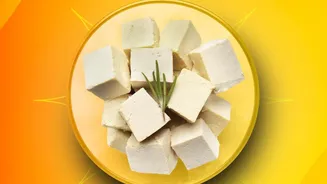


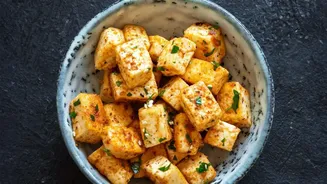
Mastering Paneer: Say Goodbye to Rubberiness
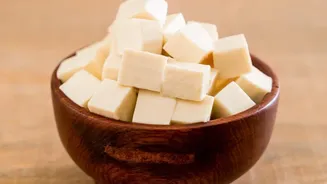
Paneer is a fresh, non-melting cheese that should be soft and creamy, but often becomes tough and chewy when cooked. The biggest mistakes are overcooking it or using it straight from a cold fridge. The key is to treat it gently and add it at the right
time. Overcooking is what makes paneer rubbery, as its proteins tighten up quickly under heat. By rethinking your approach, you can ensure a perfect texture every single time.
Hack 1: The Warm Water Soak
This is the single most effective trick for soft paneer. Before you start cooking, chop your paneer into cubes and soak them in a bowl of warm water for 15 to 20 minutes. This simple step rehydrates the cheese, making it noticeably softer and more absorbent. It works for both store-bought and frozen paneer. If you're using frozen paneer, let it thaw in the warm water. Just remember to pat the cubes dry before frying to ensure you get a good sear.
Hack 2: High Heat, Short Time
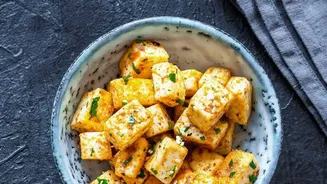
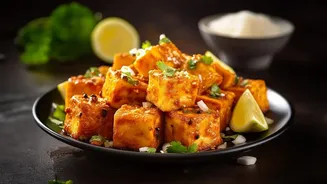
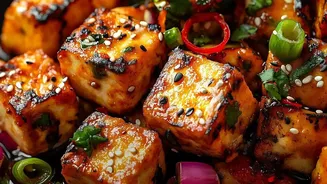
To get that delicious golden-brown crust without overcooking the inside, you need to use high heat for a very short period. Get your pan properly hot before adding the paneer. Once in the pan, leave it alone for 2-3 minutes until a crust forms and it releases easily. Then, flip and sear the other side. For curries, add the seared paneer only during the last few minutes of cooking. This prevents it from simmering too long and turning into hard cubes.
Transforming Tofu: From Spongy to Spectacular
Tofu gets a bad rap for being bland and watery, but that’s only because it's often prepared incorrectly. As a soybean-based product, its neutral taste and porous structure are actually its greatest strengths, allowing it to soak up any flavour you throw at it. The secret lies in removing as much water as possible before you even think about cooking.
Hack 3: Pressing Is Not Optional
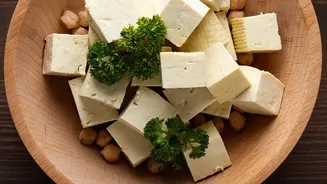
For a firm, meaty texture, you must press your tofu. Use extra-firm tofu for best results. You don't need a fancy gadget; simply wrap the block in a clean kitchen towel, place it on a plate, and put something heavy on top (like a cast-iron pan or a few books) for at least 30 minutes. Pressing removes excess water, which allows the tofu to absorb marinades better and become crispy instead of steaming in the pan.
Hack 4: The Freeze-and-Thaw Trick
Freezing tofu completely changes its texture, making it chewier and even more absorbent. After pressing, freeze the entire block overnight. Once thawed, you'll notice it has a more porous, sponge-like structure. This method is fantastic for creating a 'meatier' bite and helping the tofu soak up sauces and spices from the inside out. It's a game-changer for dishes where you want the tofu to be the star.
Hack 5: The Cornstarch Coat for Crispiness
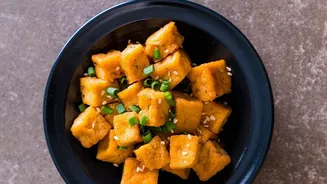
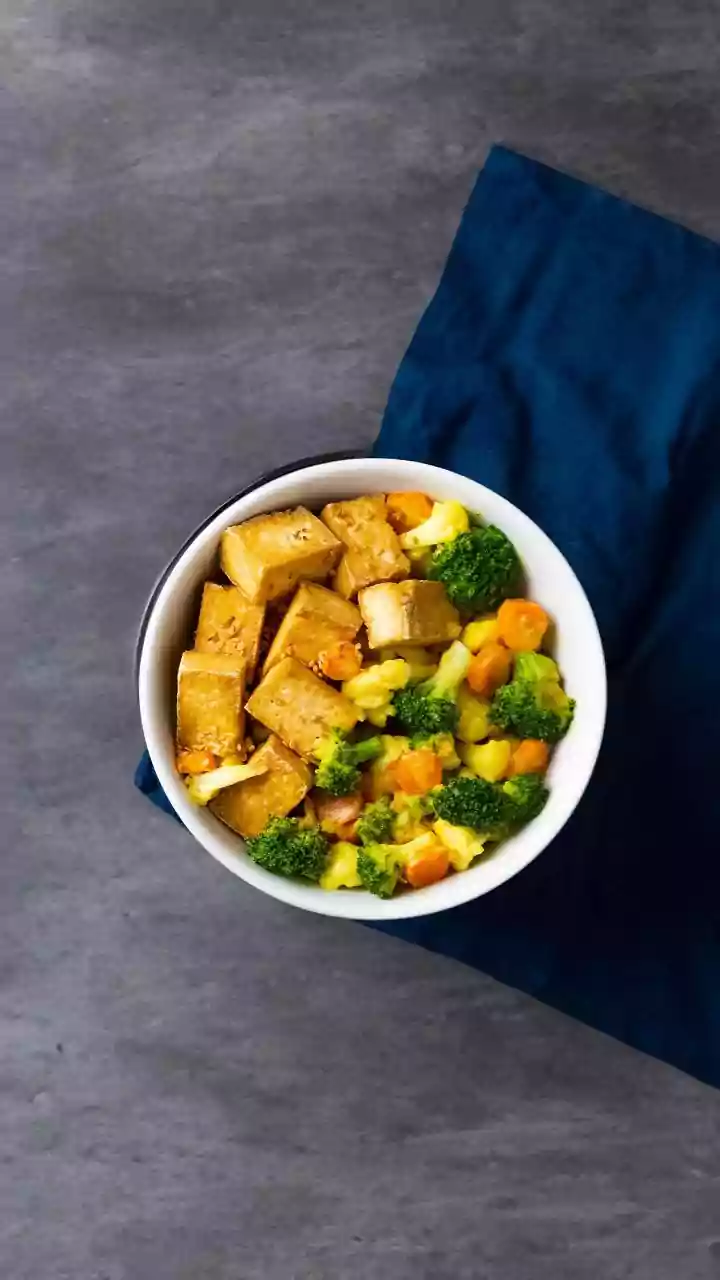
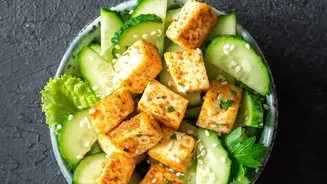
For unbelievably crispy tofu without deep-frying, turn to cornstarch. After pressing and cubing your tofu, toss it in a light coating of cornstarch mixed with your desired seasonings, like salt and garlic powder. Pan-fry the coated cubes in a hot, lightly oiled skillet until all sides are golden brown and crispy. This creates a crunchy exterior shell that holds up beautifully, even when tossed in a sauce.