




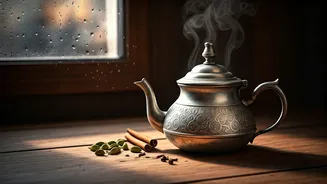


It Starts with the Spices
The first 'secret' is that there is no single secret masala blend. The perfect chai is personal. However, the foundation rests on using fresh, whole spices that you crush yourself just before brewing. Pre-ground powders lose their essential oils and aromatic
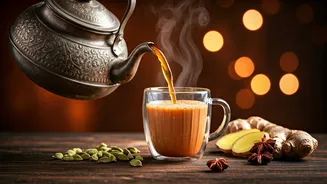
punch almost immediately. Your basic toolkit should include green cardamom (elaichi), cloves (laung), cinnamon (dalchini), and black peppercorns (kali mirch). Lightly bash them in a mortar and pestle not to powder, but to crack them open. This simple act unleashes a world of flavour that packaged chai masala can never replicate. This is where the magic begins, turning your kitchen into an aromatic haven.
The Monsoon Must-Have: Ginger
While the base spices are essential, the monsoon calls for a specific hero: fresh ginger (adrak). Its pungent heat cuts through the dampness of the rainy season and provides a comforting warmth that feels like an internal hug. It also has well-known properties that help soothe a sore throat, a common monsoon ailment. Don't use dried ginger powder; the flavour is harsh and one-dimensional. Instead, grate or finely crush a small knob of fresh ginger and add it to the water at the very beginning of the brewing process. This allows its spicy, zesty oils to fully infuse the water, creating a robust base for your chai.
The Two-Step Brewing Method
Here's a technique that chai-wallas have perfected. Never boil everything together at once. The secret is a two-step process. First, bring your water to a boil with your crushed spices and ginger. Let this mixture simmer for at least 2-3 minutes. This step is crucial; you are essentially creating a flavourful spice decoction (or kadha). This is where the deep, complex flavours are extracted. Only after the water is deeply infused and aromatic should you add the tea leaves. Rushing this step is the most common mistake that leads to a weak, underwhelming chai.
Choosing Your Tea and Milk
Not all tea is created equal for masala chai. You need a strong, robust black tea that can stand up to the milk and spices without getting lost. The best choice is a strong CTC (Crush, Tear, Curl) Assam tea. Its bold, malty flavour is the perfect backbone. Once you've added the tea leaves to your spice decoction and let them brew for a minute, it's time for the milk. For a rich, creamy texture, always use full-fat milk. The fat content is essential for balancing the tannins from the tea and the pungency of the spices, resulting in a smooth, velvety mouthfeel. A good starting ratio is 1:1 water to milk, but feel free to adjust to your preference.
The Final Simmer
Patience is a virtue, especially in the final stage. After adding the milk, bring the chai back to a boil. As it starts to rise, lower the heat and let it simmer gently for another 2-3 minutes. This process, known as 'cooking' the chai, allows the milk to integrate fully, the flavours to meld, and the colour to deepen into that beautiful, rich tan. Many people make the mistake of just heating the milk and serving. The final simmer is what marries all the ingredients together into a harmonious whole. If you add sugar, now is the time to stir it in, allowing it to dissolve completely before you strain and serve.