





The Post-Pandemic Health Awakening
The convenience of fast food has long been its primary selling point. But for a generation that came of age during a global health crisis, the definition of ‘good food’ is changing. Gen Z is increasingly sceptical of processed ingredients, hidden sugars,
and the nutritional black box of mass-produced meals. There’s a palpable shift towards conscious consumption, where knowing what’s in your food is as important as how quickly it arrives. This wellness-first mindset doesn't just mean eating salads; it means prioritising wholesome, balanced meals. Nani-style tiffins, with their emphasis on fresh vegetables, lentils, whole grains, and traditional spices, fit this new paradigm perfectly. They represent a return to dietary basics—food that nourishes rather than simply fills. This isn’t about demonising a pizza slice, but about making a more deliberate choice for the daily grind.
A Search for Comfort and Authenticity
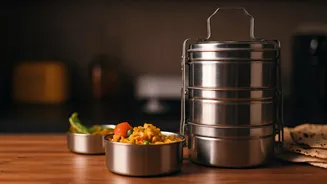
For many young Indians living and working in cities far from home, the daily meal is more than just sustenance; it’s an emotional anchor. The homogenised taste of global fast-food chains offers predictability but lacks soul. In contrast, a simple dal, sabzi, and roti can evoke powerful feelings of home, comfort, and care. This 'ghar ka khana' (home-cooked food) nostalgia is a potent driver. Tiffin services, especially those run by home chefs, tap directly into this sentiment. They offer not just a meal, but a taste of a kitchen filled with familiar aromas and time-honoured recipes. In a world of fleeting digital trends and curated online personas, the authenticity of a home-cooked meal feels grounding. It’s a connection to roots, a reminder of a grandmother’s cooking, and a small, daily act of self-care that a burger combo simply cannot replicate.
The Simple Economics of Eating Well
Let’s talk numbers. Ordering from restaurants and fast-food joints daily adds up. With delivery fees, platform charges, and restaurant markups, a single meal can often cost between ₹300 and ₹500. For a young professional on a budget, this is unsustainable. Tiffin services, on the other hand, operate on a subscription model that offers significant economic advantages. A monthly plan often brings the per-meal cost down to a much more manageable ₹100 to ₹150. This isn't just about saving money; it’s about smart financial planning. Gen Z is acutely aware of the importance of budgeting and value for money. They see a tiffin subscription not as a compromise, but as a financially savvy hack that allows them to eat healthy, consistent meals without the daily decision fatigue or the financial drain of ordering à la carte.
Convenience, Redefined by Tech
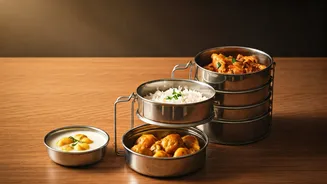
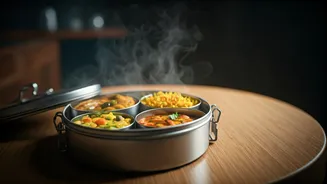
The old stereotype of tiffin services involved clunky metal dabbas and unreliable delivery schedules. That’s a world away from today’s reality. Modern tiffin providers and home-chef platforms have embraced technology to offer a seamless user experience. Many operate through slick apps and websites where users can customise meal plans, pause subscriptions, track deliveries, and provide feedback, all from their smartphones. This has levelled the playing field. The convenience that was once the exclusive domain of fast-food aggregators is now a standard feature of tiffin services. You can now get a wholesome, Nani-approved meal delivered to your doorstep with the same ease as ordering a pizza. This fusion of tradition and technology has removed the final barrier for many, making the switch from fast food to home-style meals an easy and logical choice.
A Side of Sustainability
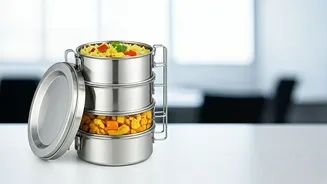
The environmental cost of convenience is becoming harder to ignore. A single fast-food order can generate a mountain of single-use plastic containers, cutlery, paper bags, and condiment sachets. For an environmentally conscious generation, this daily waste is unsettling. Tiffin services offer a starkly sustainable alternative. The classic 'dabba' system is, by its very nature, a circular model. Reusable stainless-steel containers are delivered, collected, washed, and used again the next day. This zero-waste approach resonates deeply with Gen Z’s growing commitment to sustainability. Choosing a tiffin isn’t just a vote for healthier food; it's a vote against the throwaway culture that defines the fast-food industry. It's a small but meaningful way to reduce one's daily environmental footprint, aligning personal choices with broader values.