







The Hidden Cost of Instant Freshness
A quick spritz of a room spray is a modern reflex for dealing with unpleasant household odours. The promise is simple: instant floral, fruity, or 'fresh linen' scents. However, the convenience often comes with a complex list of ingredients that aren't
always transparent. Many commercial air fresheners contain volatile organic compounds (VOCs), such as formaldehyde, petroleum distillates, and ethanol. When sprayed, these chemicals can linger in the air we breathe. Another common ingredient group is phthalates, which are used to help a scent last longer. While regulatory bodies have limits on these chemicals, a growing number of consumers are seeking ways to reduce their exposure to synthetic ingredients within their homes. The issue isn't just what's in the can, but how it works. Most sprays act as 'masking agents'—they don't eliminate odours but simply overpower them with a stronger, synthetic fragrance, creating a dense layer of competing smells.
Enter Vetiver: India’s Grounding Scent
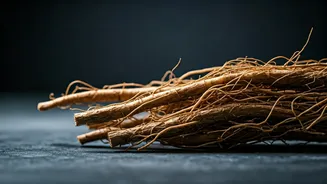
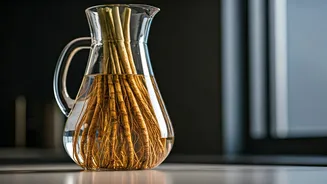
In stark contrast to a lab-formulated fragrance is vetiver, known in India as 'khus'. This fragrant grass is deeply rooted in our culture, renowned for its cooling and calming properties. For generations, its roots have been woven into mats, hung in windows and sprinkled with water to cool and scent the air during scorching summers. Its earthy, woody, and subtly sweet aroma is a familiar comfort, used in everything from sherbets to perfumes. Unlike a single-note synthetic scent, vetiver’s fragrance is complex and multifaceted. It doesn’t scream for attention; it grounds the atmosphere. Derived directly from the roots of the Vetiveria zizanioides plant, its oil is one of the most complex in perfumery, containing hundreds of distinct molecules. This natural complexity is what makes it feel so rich and authentic, offering a scent that evolves as it burns.
The Art of Handcrafted Incense
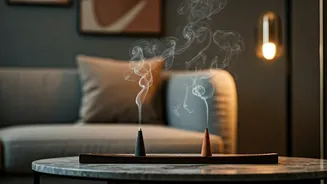
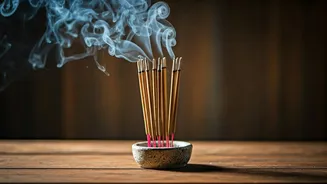
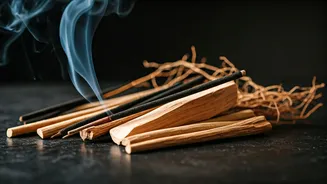
Not all incense is created equal. The choice to switch from a chemical spray to a natural alternative is best served by choosing high-quality, handcrafted incense. Mass-produced incense sticks often use a chemical core, cheap fragrance oils, and combustion accelerants that can produce harsh smoke. Handcrafted cones, particularly those made with vetiver, take a different approach. Artisans typically use a simple, clean-burning base made from materials like charcoal, wood powders, and natural binders like jigat. The star of the show is the pure vetiver root powder or essential oil, which is mixed into the base. This method ensures that what you are burning is primarily the plant material itself. The result is a gentler, more subtle smoke and a truer, more authentic fragrance that cleanses the air rather than just blanketing it. They burn slower, releasing their grounding aroma gradually and creating a tranquil, long-lasting ambience.
Beyond Scent: A Ritual of Calm
Switching to vetiver incense is about more than just changing how your home smells; it's about changing how your home feels. In aromatherapy traditions, vetiver is celebrated as the 'oil of tranquillity'. Its deep, earthy scent is believed to have a calming and grounding effect on the nervous system, helping to reduce stress and anxiety. Lighting an incense cone becomes a small ritual—a deliberate act of slowing down and setting a peaceful tone. Instead of the jarring hiss of an aerosol can, you have the gentle curl of fragrant smoke. It encourages a moment of mindfulness, transforming a simple chore (making the room smell better) into a practice of self-care. While the experience is subjective, many find that the rich, earthy aroma of vetiver helps to anchor them in the present moment, making their home feel like a true sanctuary.