




Planning Your Visit: The Best Time to Go
Kaziranga National Park is typically open to visitors from November through April. It remains closed during the monsoon season (May to October) due to extensive flooding from the Brahmaputra River. The best period for a visit is generally considered to be between
November and February, when the weather is cool and pleasant. During this time, the post-monsoon grasses are shorter, which improves visibility for wildlife spotting. The months of March and April can be hotter, but this often concentrates animals around water bodies, leading to excellent sightings. For the best experience with fewer crowds, consider planning your trip in November, just as the park opens.
Choosing Your Safari: Jeep vs. Elephant
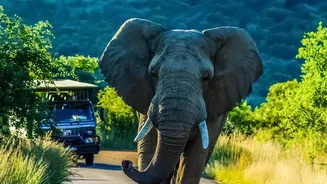
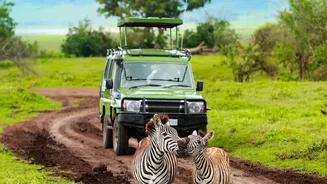
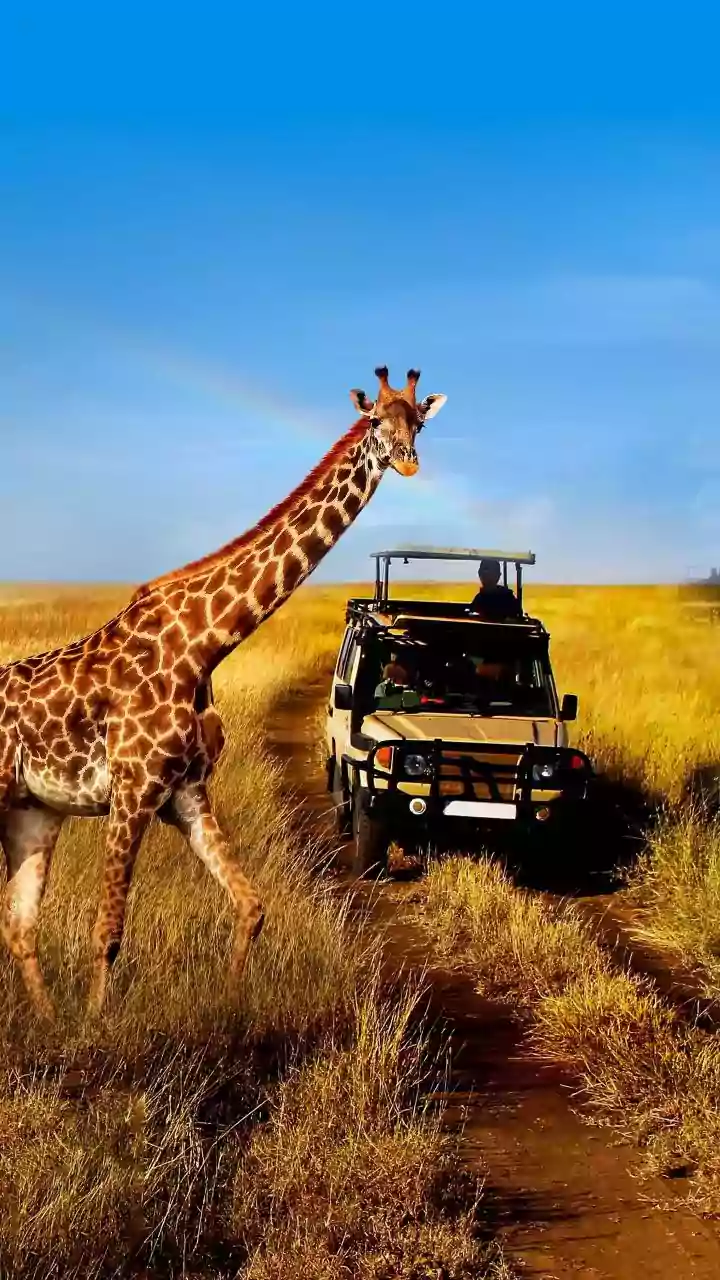
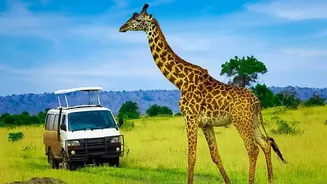
The park offers two distinct safari experiences: by jeep and on elephant-back. Jeep safaris are the most common way to explore, covering more ground across the park's various zones in shifts during the morning and afternoon. An open-top jeep allows for expansive views and is ideal for spotting a wide range of animals.Elephant safaris offer a different perspective. These slow, early-morning rides take you through tall grasslands where jeeps cannot go, often allowing for exceptionally close encounters with rhinos. These safaris are shorter, typically lasting about an hour, and are available only in the Central (Kohora) and Western (Bagori) zones. Booking for both safari types is highly recommended, especially during the peak season from December to February.
Exploring the Zones: Where to Go
Kaziranga is divided into four main safari zones, each offering a unique landscape and set of wildlife viewing opportunities.The Central Range (Kohora) is the most popular and accessible, known for its high density of rhinos and a good mix of grasslands and forests. The Western Range (Bagori) is also famous for rhino sightings and is considered excellent for photography due to its open landscapes. For birdwatchers, the Eastern Range (Agoratoli) is a paradise with its vast wetlands attracting numerous migratory and resident bird species. The Burapahar Range is hillier and more forested, offering a different kind of jeep safari experience with fewer tourists. For a comprehensive trip, it is advisable to visit at least two different zones.
The Big Five and Beyond: Kaziranga's Wildlife
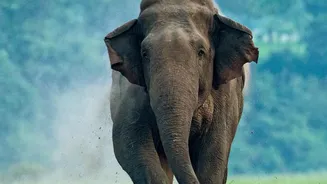
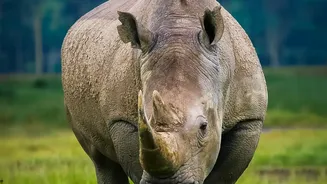
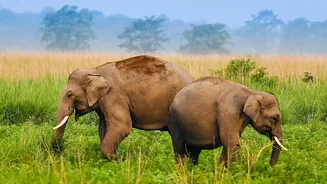
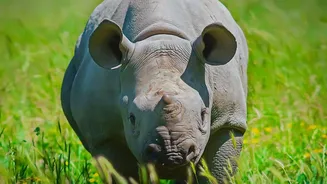
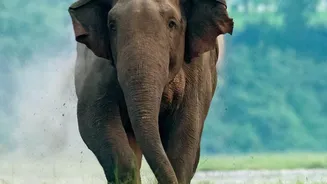
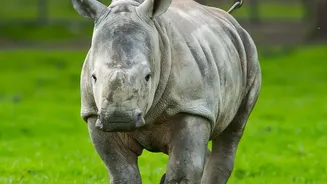
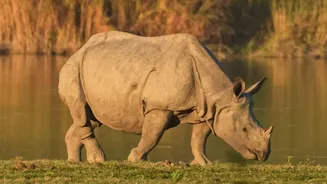
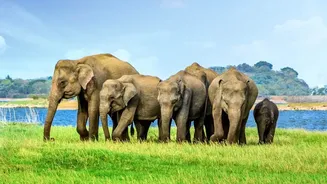
Kaziranga is globally renowned for its 'Big Five': the Great Indian one-horned rhinoceros, the Royal Bengal tiger, the Asiatic elephant, the wild water buffalo, and the Eastern swamp deer. The park hosts the world's largest population of the one-horned rhino, and sightings are very common. While Kaziranga has one of the highest tiger densities of any protected area, the tall grasslands can make them difficult to spot. Large herds of elephants and wild water buffalo are frequently seen, along with various deer species like sambar, hog deer, and barking deer. The park is also home to a rich diversity of other creatures, including Gangetic dolphins in the rivers, sloth bears, and numerous species of reptiles and over 480 species of birds.
A Guide to Responsible Tourism
Visiting Kaziranga comes with a responsibility to protect its delicate ecosystem. Always follow the guidelines provided by park authorities and your guides. This includes maintaining a respectful distance from wildlife, not using flash photography, and not getting out of the safari vehicle. Minimize your environmental impact by avoiding single-use plastics and ensuring you dispose of all waste responsibly. Support the local economy by opting for eco-friendly lodges and purchasing handicrafts from community-run outlets. By choosing responsible tour operators and respecting the park's rules, you contribute to the conservation efforts that make Kaziranga a success story.
How to Reach Kaziranga
Kaziranga National Park is well-connected by air, rail, and road. The nearest airports are Jorhat Airport (approximately 97 km away) and Guwahati's Lokpriya Gopinath Bordoloi International Airport (about 217 km away). From either airport, you can hire a taxi or take a bus for the scenic drive to the park. The closest major railway station is Furkating Junction (around 75-123 km away), with connections to major cities like Guwahati, Kolkata, and New Delhi. The park is located on National Highway 37, making it easily accessible by road from Guwahati and other towns in Assam.