
A Wardrobe Full of Memories
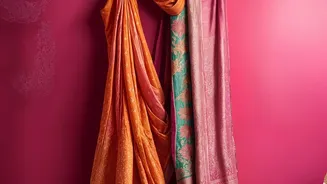
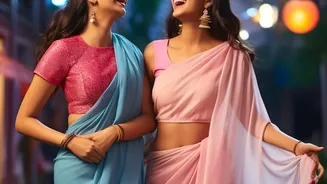
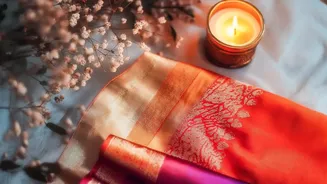
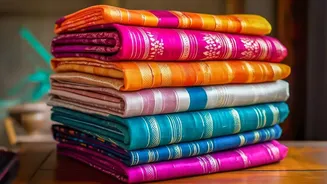
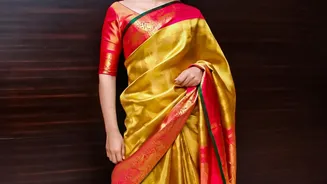
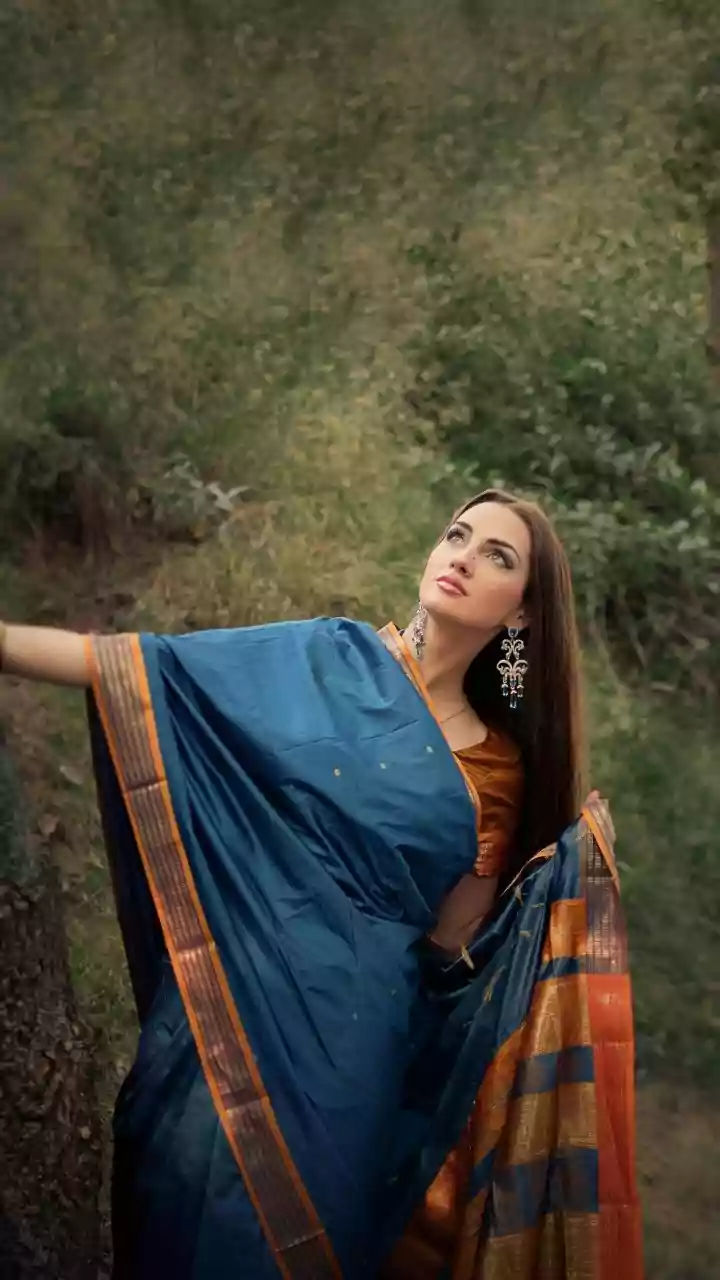
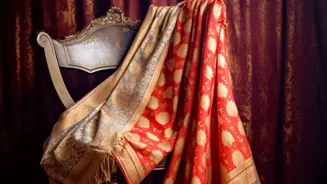
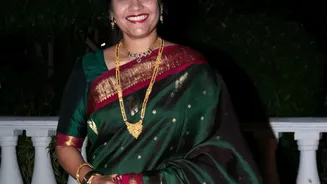
For many Indian families, vintage silk sarees are more than just garments; they are priceless emotional heirlooms. A mother’s wedding Banarasi or a grandmother’s Kanjeevaram for a special festival becomes a vessel of stories, woven with threads of love
and tradition. These sarees are passed down through generations, each fold holding personal history. However, as lifestyles and fashion trends change, these six-yard wonders often remain stored away, too precious or too traditional for daily wear. This creates a dilemma: how to honour a cherished heirloom that has been relegated to the back of the wardrobe? For a growing number of young, creative individuals, the answer isn’t to let them gather dust, but to reimagine them entirely.
The Spark of a Creative Idea
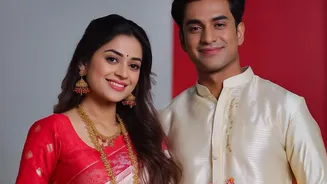
Enter the new wave of sustainable fashion, driven by young couples who share a passion for both heritage and contemporary design. For pairs like these, a grandmother’s saree isn't an artifact to be preserved in muslin, but a canvas for collaboration. The story often begins with a shared appreciation for the craftsmanship of a bygone era and a desire to reduce fashion waste. The trend sees them combining their skills—perhaps one has an eye for design, the other a knack for tailoring—to create something new together. This practice of upcycling, long a staple in Indian households out of frugality, is now being embraced as a trendy and conscious fashion statement. The process is a partnership, blending a love for family history with a modern, eco-conscious mindset.
From Heirloom to High Fashion
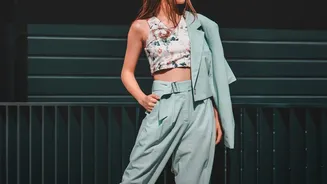
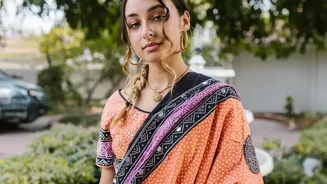
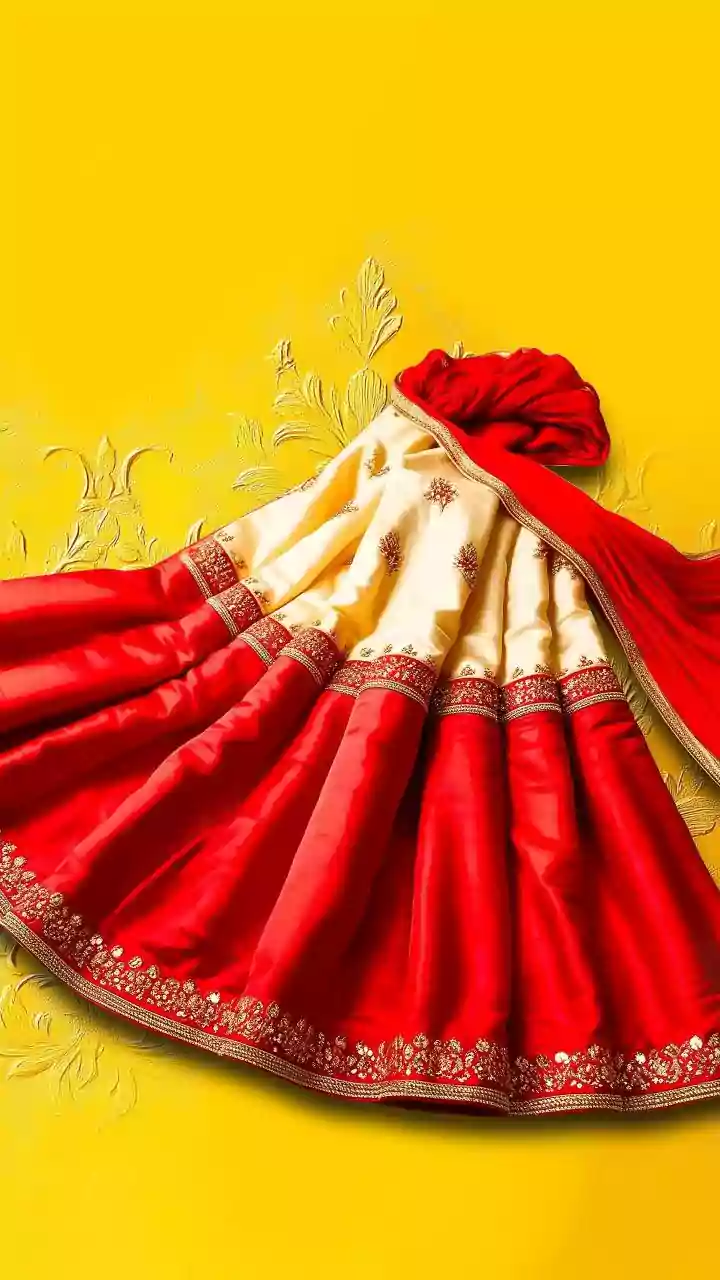
The transformation from a vintage saree to a modern co-ord set is a delicate and thoughtful process. It begins with selecting the right saree, often one with sentimental value but perhaps with minor damage that makes it unwearable in its original form. The most intricate parts of the saree, like the decorative pallu or the elaborate zari border, are carefully identified to be showcased in the new design. The fabric is then deconstructed, and the designers get to work, sketching out modern silhouettes like breezy crop tops with palazzos, structured jackets with trousers, or chic corsets paired with skirts. The challenge lies in respecting the original weave and patterns while creating a garment that is stylish, comfortable, and wearable for occasions ranging from festive parties to office events.
More Than Just Clothes
Wearing an upcycled co-ord set is about making a powerful statement. Each piece is, by its nature, one-of-a-kind; no two vintage sarees are exactly alike, so no two co-ord sets will be either. This stands in stark contrast to the uniformity of fast fashion. For the creators and wearers, these outfits are a celebration of individuality and a stand against today’s throwaway culture. The process preserves not just the fabric but also the cultural history woven into it. It connects the wearer to their roots and the stories of the women who wore the saree before them. This infusion of personal history and sustainable practice gives the clothes a soul and a story that mass-produced garments can never replicate.
A Trend With Heart and Heritage
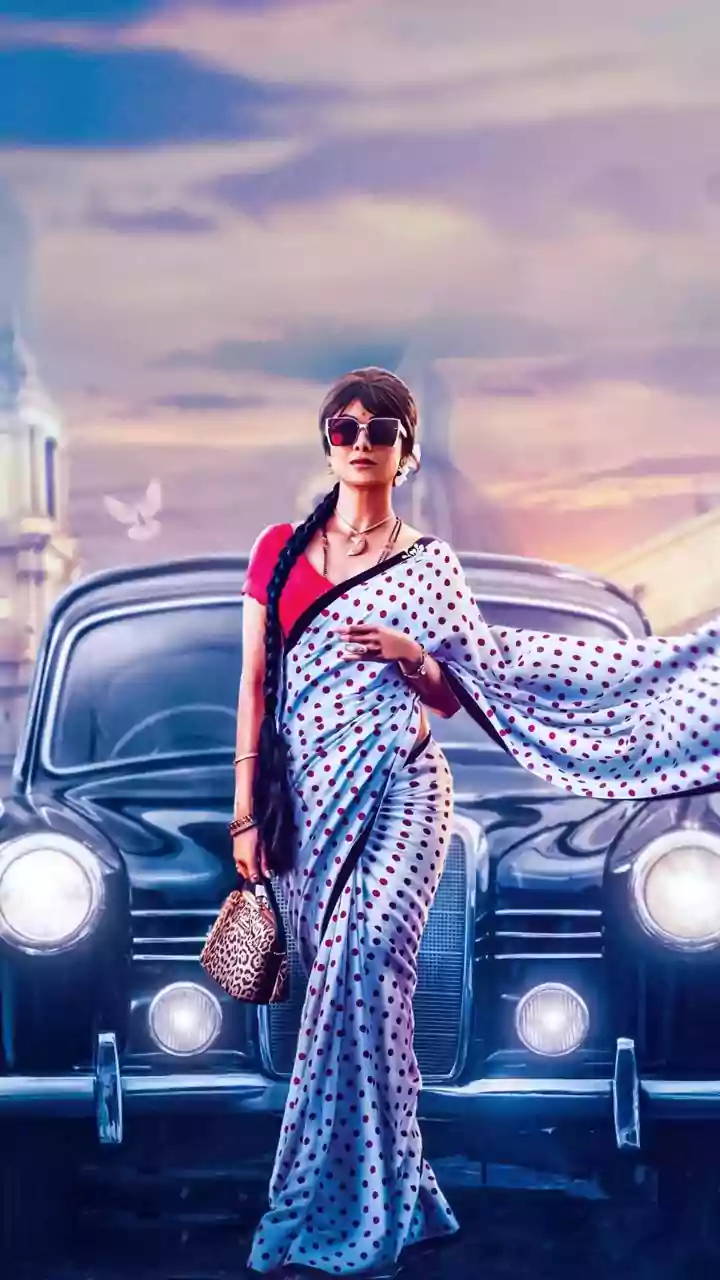
This movement, often championed by young couples and independent designers on social media, is rapidly gaining momentum across India. Boutiques and online brands are emerging, dedicated to the art of saree upcycling, and finding an eager audience in Gen Z and millennials. These consumers are drawn to the unique aesthetic, the sustainable ethos, and the emotional resonance of wearing a piece of their own family history. Celebrities have also been spotted flaunting upcycled saree outfits, further boosting the trend's appeal. It represents a perfect marriage of the old and the new—honouring the timeless elegance of the Indian saree while adapting it for the contemporary world.