



The Age of Imported Ideals
Not long ago, the concept of a 'protein snack' in urban India was synonymous with foreign brands. Dense, chewy bars made with whey protein dominated the shelves of gyms and high-end grocery stores. While they introduced the idea of on-the-go nutrition,
they often came with a hefty price tag and flavour profiles—like chocolate brownie or peanut butter—that felt disconnected from the Indian palate. For many, these snacks were a necessary, if unexciting, part of a fitness regimen, representing a global health trend rather than a genuine local preference.
A Homegrown Revolution Takes Root
The tide is turning. A new wave of Indian entrepreneurs is challenging the dominance of imported goods, driven by a growing consumer preference for local products. This shift is part of a larger 'vocal for local' sentiment and a broader trend in the functional foods market, which is seeing significant growth in India. Consumers are increasingly seeking out snacks that are not only healthy but also feel authentic and trustworthy. Homegrown brands are stepping up, leveraging their understanding of local tastes and ingredients to create products that resonate on a deeper cultural level.
Rediscovering Traditional Powerhouses
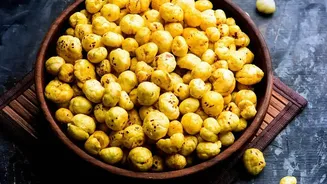
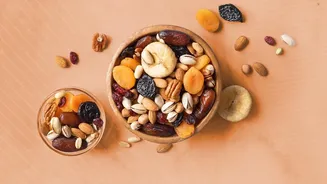
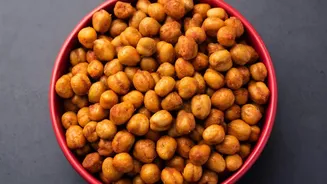
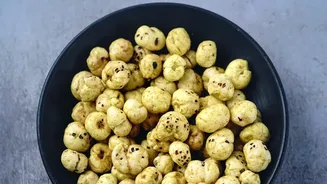
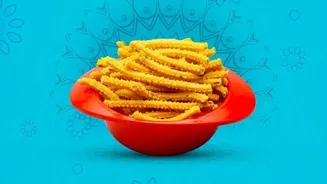
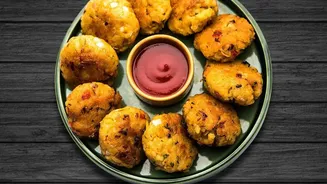
The most exciting part of this trend is the rediscovery of traditional Indian ingredients. Instead of relying solely on imported whey, brands are innovating with protein sources that have been part of Indian diets for centuries. Roasted gram flour (sattu), with its impressive 20-25g of protein per 100g, is being revived in modern formats. Roasted chana, moong dal, and peanuts—staples of traditional snacking—are being packaged as convenient, high-protein alternatives to carb-heavy biscuits and namkeens. Even snacks like makhana (fox nuts), paneer, and besan-based items are being celebrated for their natural protein content. This isn't about inventing new superfoods, but about intelligently repurposing the nutritional wisdom already present in Indian kitchens.
Why The Big Shift Now?
Several factors are fuelling this change. Firstly, there's a growing awareness of what goes into our food. Consumers are demanding cleaner labels and more natural ingredients, moving away from snacks with synthetic additives. Secondly, taste and familiarity are paramount. Indian brands are creating protein-packed versions of beloved snacks, like pani puri-flavoured popped chips or masala chaas fortified with whey protein, bridging the gap between health and flavour. Finally, cost and accessibility play a huge role. Locally produced snacks are often more affordable and widely available than their imported counterparts, making healthy eating a more practical choice for a larger audience. A recent report found that an overwhelming 86% of Indian consumers are now prioritising protein in their snacks, signalling a massive market ready for these homegrown innovations.
The Future is Local and Functional
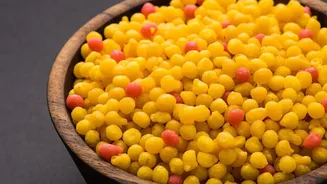
This trend represents a maturation of India's health and wellness market. It's moving beyond simply adopting global fads to creating a unique ecosystem of functional foods tailored for the Indian consumer. From protein wafers and multigrain chips backed by celebrities to modernised chikki and baked bhujia, innovation is everywhere. The market for healthy and functional foods in India is projected to grow significantly, with some estimates expecting it to reach over USD 25 billion by 2030. This growth is not just happening in major metros but is a nationwide phenomenon, as consumers everywhere seek out snacks that offer benefits beyond basic nutrition, such as improved immunity and gut health.