








What is an Interest Rate Cycle?
Think of the economy as having different seasons. Sometimes it's growing quickly, and sometimes it cools down. An interest rate cycle is the fluctuation of interest rates over time, often guided by a country's central bank—in our case, the Reserve Bank
of India (RBI). When the economy is overheating and prices (inflation) are rising too fast, the RBI may increase its key policy rate, known as the repo rate. This makes borrowing more expensive for commercial banks, a cost they pass on to customers, slowing down spending and cooling the economy. Conversely, during an economic slowdown, the RBI might cut the repo rate to make borrowing cheaper, encouraging spending and investment to stimulate growth. These movements create a natural cycle of rising and falling interest rates.
How This Cycle Affects Your Education Loan
The RBI's repo rate directly influences the interest you pay on your education loan, especially if you have a 'floating rate' loan. Most education loans in India have floating rates linked to a benchmark like the repo rate. When the RBI hikes rates, the interest on your loan is likely to go up, increasing your Equated Monthly Instalment (EMI). When the RBI cuts rates, your EMI could decrease, saving you money over the loan's tenure. For example, even a small 0.50% reduction in your interest rate on a large loan can translate into thousands of rupees saved annually. This makes understanding the current phase of the interest rate cycle crucial when you're about to take on a loan that could last for 7 to 15 years.
Fixed vs. Floating Rates: The Critical Choice
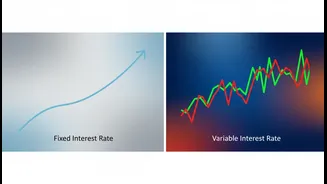
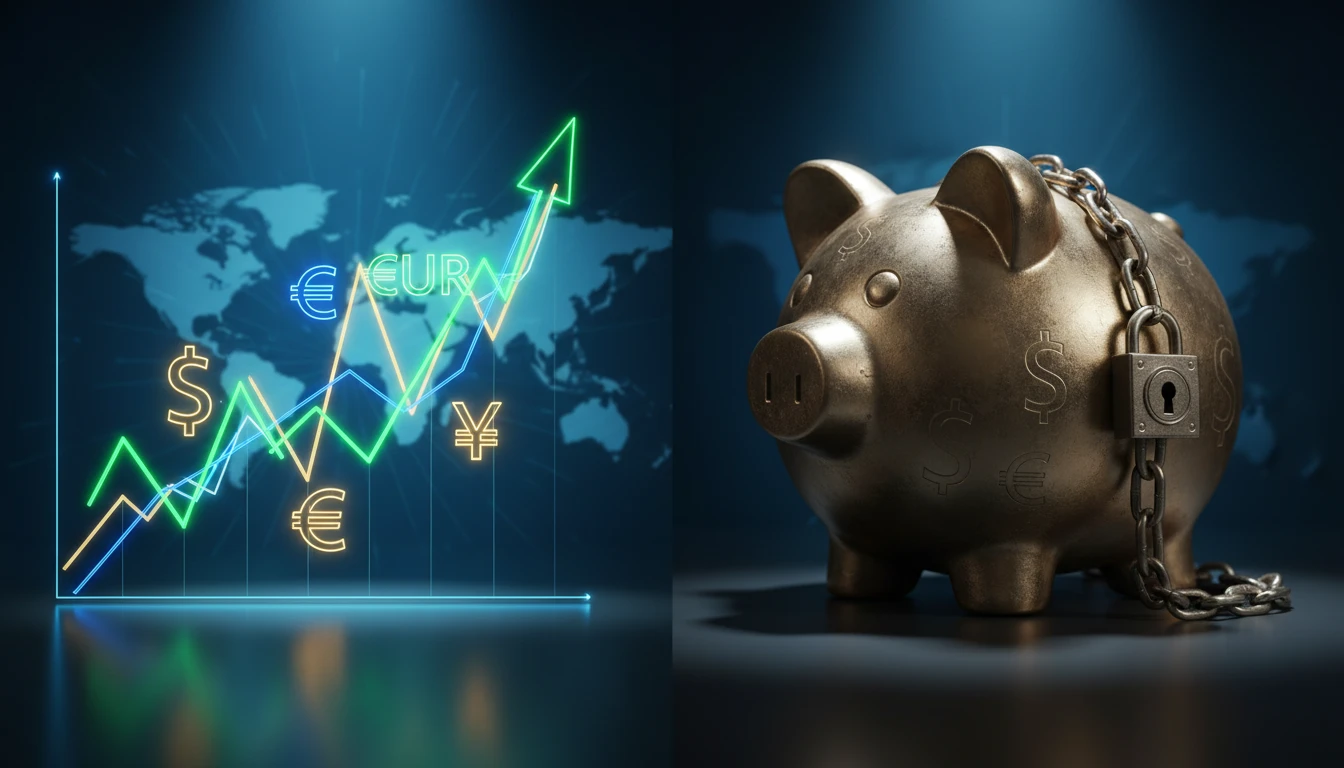
When you take an education loan, you'll generally choose between a fixed or a floating interest rate. A fixed rate remains unchanged for the entire loan duration, offering predictability in your monthly payments. A floating rate, as we've seen, changes with market conditions. Choosing a fixed rate is like locking in a price. It's often slightly higher to start with, but it protects you from future rate hikes. This is a safe bet if you believe rates are currently low and are likely to rise. You can budget with certainty, knowing your EMI will never increase. A floating rate, on the other hand, usually starts lower than a fixed rate. If you take this option when interest rates are high and expected to fall, you could benefit significantly as your EMIs decrease over time. The trade-off is the risk; if rates go up instead, your payments will also increase, which can strain your budget. Your choice depends on your risk appetite and your view on where interest rates are headed.
So, When is the Best Time to Borrow?
Timing your loan with the interest rate cycle can be a strategic move. If we are in a high-interest rate environment (a 'tightening' cycle where the RBI is raising rates to fight inflation), it might be wise to opt for a floating rate loan. The initial rate may be high, but you'll be positioned to benefit when the cycle turns and the RBI starts cutting rates to support growth. Conversely, if we are in a low-interest rate environment (an 'easing' cycle), locking in that low rate with a fixed-rate loan could be a brilliant long-term decision. It provides stability and protects you from the inevitable rise in rates when the economic cycle shifts again. While predicting the exact movement of rates is difficult even for experts, paying attention to RBI announcements and economic news can give you a good idea of the general trend.
Smart Tips for Every Borrower
Regardless of the rate cycle, some strategies are always wise. First, compare offers from multiple banks and NBFCs, as rates can vary significantly. Public sector banks often offer competitive rates. Second, a strong co-applicant with a good credit score can help you secure a lower interest rate. Many banks also offer concessions for female students or for studying at premier institutions, so be sure to ask. Finally, consider paying the simple interest that accrues during your moratorium period (the study period plus a grace period). While not required, doing so prevents the interest from being added to your principal amount, which can significantly reduce your total repayment burden.