







The Fermentation Conundrum
Every home cook who loves South Indian food knows the familiar ritual: soaking rice and lentils, grinding them into a smooth batter, and waiting. This waiting period is fermentation, or what bakers call 'proving'. It’s a magical process where wild yeasts
and bacteria get to work, creating the signature sour tang and light texture of a dosa. The common wisdom is to let the batter ferment overnight, or for at least 8 to 12 hours. However, this long window is often where things go wrong. Too much fermentation, especially in a warm climate, can lead to an overly sour batter that produces soft, spongy dosas instead of the crisp, golden crepes you crave.
Why Less Time Can Mean More Crisp
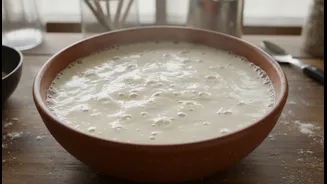
The science is surprisingly simple. Fermentation produces lactic acid, which gives flavour, and carbon dioxide gas, which makes the batter light and airy. An extended fermentation period creates an excess of both. Too much acid can break down the starches excessively, weakening the batter's structure. When you pour this over-fermented batter onto a hot tawa, the network is too weak to hold, resulting in a dosa that might be fluffy but lacks that crucial crispness and structural integrity. A shorter, more controlled 'proving window' aims for the sweet spot: just enough fermentation to develop flavour and create some lift, but not so much that it compromises the texture. The goal is a batter that has risen slightly and is bubbly, but not one that has doubled in volume and is excessively frothy.
Mastering the Shorter Window
Achieving a shorter proving window is all about controlling the temperature. Dosa batter ferments best in a warm environment, ideally between 28°C and 32°C. In cooler kitchens, this process can be unpredictable and slow. To speed it up and make it more reliable, you can create a controlled warm spot. Many home cooks now rely on placing the batter inside an oven with only the light turned on, which provides gentle, consistent heat. Another popular method is using an Instant Pot on the 'Yogurt' setting for a set number of hours, often around 8, which takes the guesswork out of the process. Instead of just following the clock, learn to read the signs: the batter should be visibly aerated, have a pleasant, tangy smell, and have risen slightly. This could happen in as little as 6 to 8 hours in a controlled, warm environment.
The Supporting Cast: Ingredients Matter
While fermentation is key, your ingredients play a vital role in the final crispiness. The ratio of rice to dal is crucial; a higher proportion of rice, typically 3:1 or 4:1, provides more starch, which is essential for a crispy texture. Adding a small amount of chana dal can help achieve a beautiful golden-brown colour. Many recipes also call for a teaspoon of fenugreek (methi) seeds, soaked along with the rice and dal. Fenugreek seeds not only aid in the fermentation process but also contribute to a crispier texture and a lovely aroma. Some cooks even add a little cooked rice or flattened rice (poha) to the batter before grinding; the gelatinised starches help create an even crispier, more delicate dosa.