




Choose Your Destination Wisely
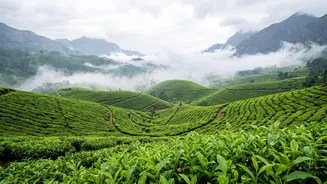
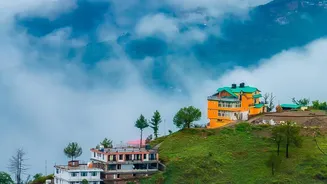
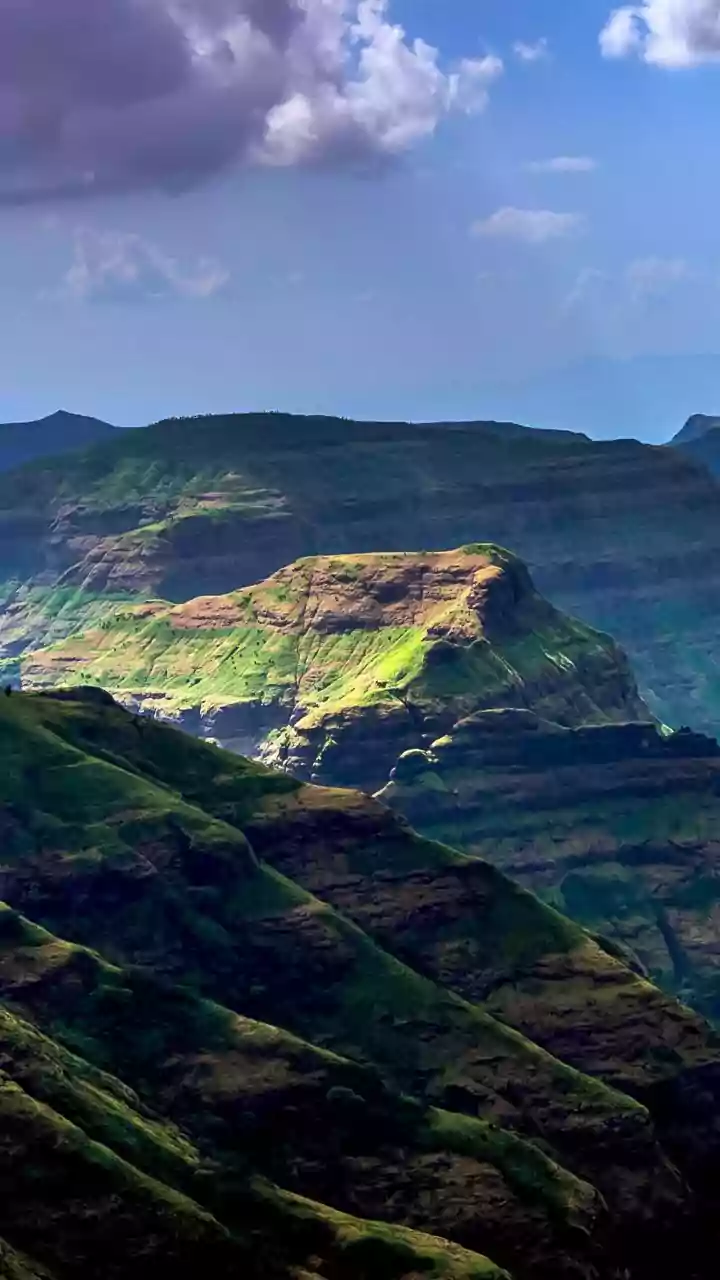
Not all destinations are created equal during the monsoon. While places like the Western Ghats (Coorg, Munnar) and parts of Rajasthan (Udaipur) come alive with fresh greenery and fewer crowds, other regions can be risky. Mountainous areas in Himachal
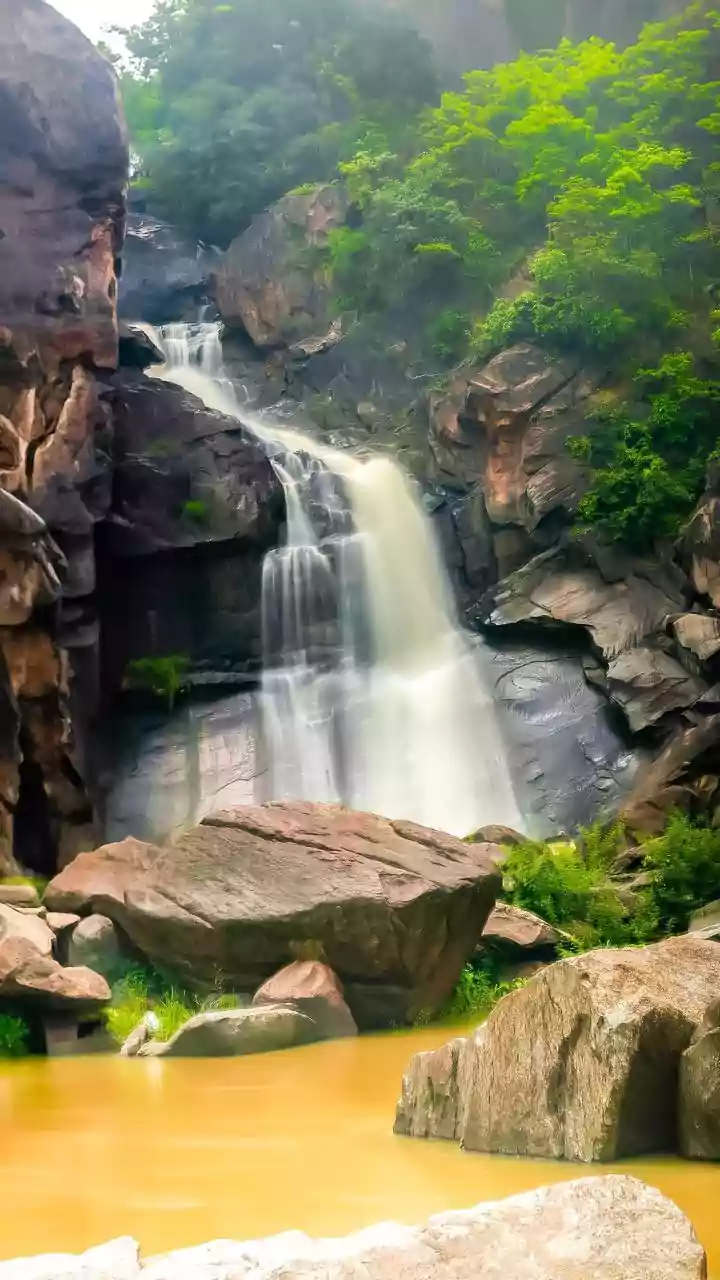
Pradesh and Uttarakhand, for example, can be prone to landslides. Before you book, research the specific weather patterns of your chosen destination. Some places, like Meghalaya, are famous for their intense rainfall, which is an attraction in itself. Check local advisories and news for any warnings about heavy rainfall or flooding. Choosing a location that handles rain well is the first step to a successful trip.
Prioritise Flexible Bookings and Insurance
The weather's unpredictability is the biggest risk factor. Mitigate this by opting for flexible travel arrangements. Look for flights and hotels that offer free cancellation or rescheduling. This gives you an exit strategy if a severe weather warning is issued. More importantly, invest in comprehensive travel insurance. A good policy should cover trip cancellations and interruptions due to bad weather. This means if your flight is cancelled or your trip is cut short because of a storm, you can be reimbursed for non-refundable expenses like hotel bookings and flights. Many policies also cover expenses incurred during significant delays, such as for meals and accommodation.
Pack Smart for Wet and Humid Conditions
Your packing list needs a monsoon-specific upgrade. Lightweight, synthetic, quick-dry clothing is essential, as cotton and other heavy fabrics take forever to dry in the humidity. A reliable raincoat or poncho and a sturdy umbrella are non-negotiable. Protect your belongings with a waterproof backpack or a rain cover. Use smaller waterproof pouches or ziplock bags for electronics, documents, and wallets. Footwear should be waterproof with good grip to handle slippery surfaces; avoid shoes that absorb water. Also, consider packing a quick-dry microfibre towel and a portable power bank, as power cuts can be common during heavy rains.
Stay Safe While on the Road
If you're planning a road trip, exercise extreme caution. Heavy rain drastically reduces visibility and makes roads slippery, increasing braking distances. Reduce your speed, keep your low-beam headlights on even during the day, and double the safe following distance between your vehicle and the one ahead. Before you start, ensure your car's tyres, brakes, and wipers are in excellent condition. Never attempt to drive through heavily waterlogged streets; water deeper than the bottom of your car's bumper can cause serious engine damage. If visibility becomes too poor, it's safer to pull over somewhere safe and wait for the rain to subside.
Mind Your Health and Hygiene
The monsoon season can increase the risk of certain illnesses. Waterborne diseases are more common, so it's crucial to drink only bottled, boiled, or purified water. Be cautious with street food, as high humidity and open storage can lead to contamination. Opt for freshly prepared hot meals from clean, reputable restaurants. Mosquitoes are also prevalent, so use an effective insect repellent and wear full-sleeved clothing, especially in the evenings, to protect against diseases like dengue and malaria. Pack a basic first-aid kit with medications for common ailments like colds, fever, and stomach issues, along with antiseptic wipes and bandages.