





A Monsoon of Two Extremes
As of late June 2026, the monsoon's progress presents a stark dichotomy. On one hand, the India Meteorological Department (IMD) has announced that the monsoon is advancing, covering the entirety of Maharashtra and pushing into states like Gujarat, Madhya
Pradesh, Chhattisgarh, and Jharkhand. [16, 22] This advance brings relief from the oppressive pre-monsoon heat. However, this progress is set against a backdrop of a significant national rainfall deficit. As of June 24, the country-wide cumulative rainfall was 42% below the Long Period Average (LPA), with some forecasters calling it one of the driest starts in over a century. [21, 11] While the monsoon has now entered a more active phase, this initial weakness has already impacted the start of the crucial Kharif sowing season. [3, 5]
Red Alerts on the West Coast and Northeast
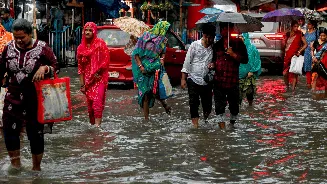
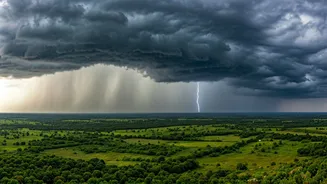
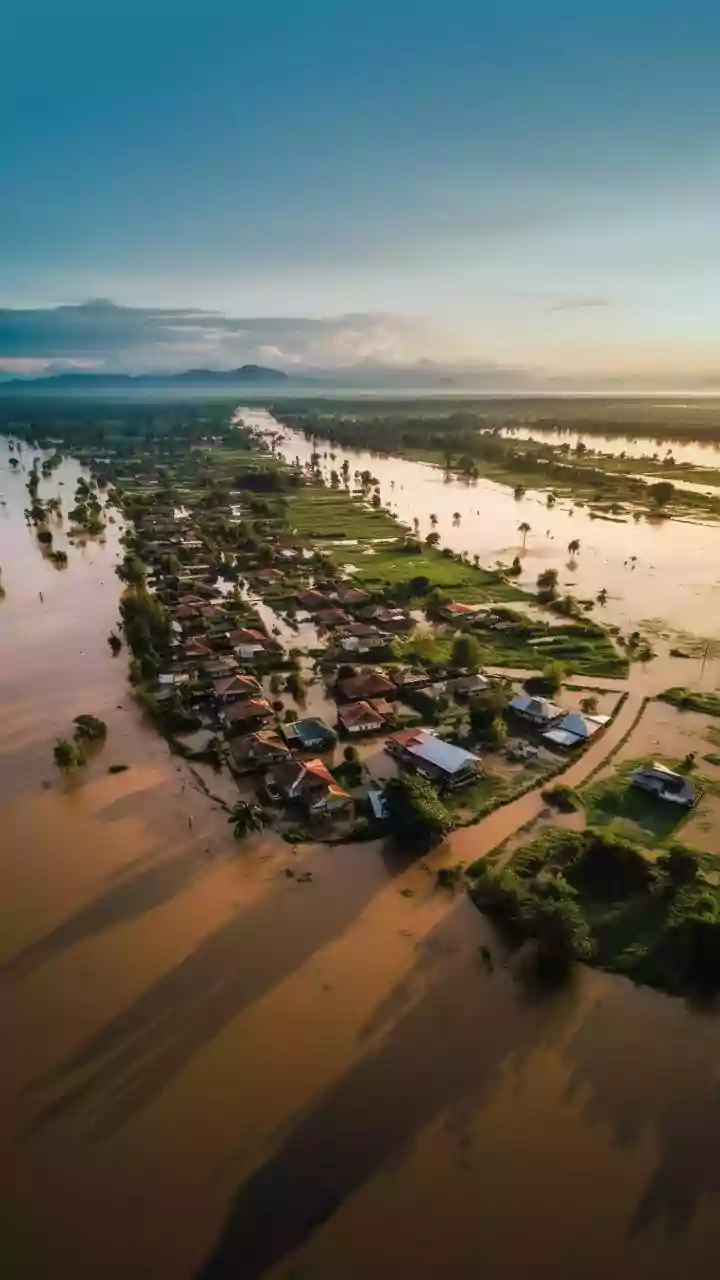
The primary warnings are concentrated in regions known for heavy monsoon activity. The IMD has issued alerts for heavy to very heavy rainfall along India's west coast, particularly for Konkan and Goa, which are bracing for potential downpours through the end of June. [3] Mumbai has already experienced intense spells, with red and orange alerts being issued. [4, 12] A similar story is unfolding in Northeast India. Sub-Himalayan West Bengal, Sikkim, Assam, and Meghalaya are on alert for extremely heavy rainfall in the coming days. [3, 10] Authorities have warned residents in these vulnerable regions—both urban and hilly—to remain vigilant for waterlogging, flash floods, and landslides. [4, 6]
The Deficit Dilemma in Central and North India
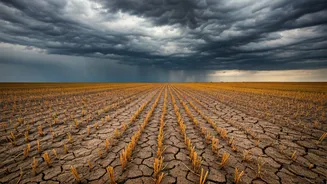
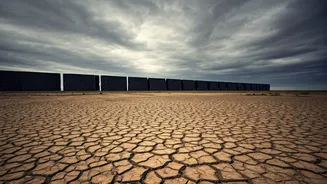
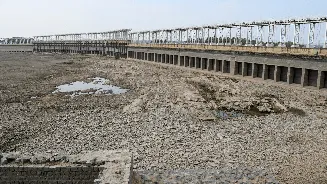
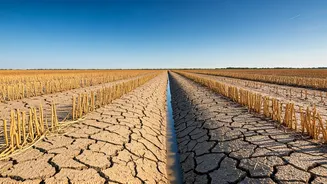
In sharp contrast to the deluge on the coasts, a significant portion of central and northern India is grappling with a rainfall deficit. Through mid-June, Central India recorded a staggering 62% rainfall deficit. [9] While the monsoon is now set to advance into Uttar Pradesh, parts of the state have been enduring heatwave conditions alongside Bihar. [3, 6] This delayed and deficient rainfall is a major cause for concern. The government has identified over 300 districts as being at risk due to a weak monsoon, with 111 of those designated 'high priority' because they have limited irrigation cover. [13] The delayed onset and weak performance in these areas directly threaten agricultural activity and rural livelihoods. [14]
Impact on Agriculture and the Economy
The erratic nature of the 2026 monsoon has direct consequences for India's agriculture-dependent economy. The initial deficit led to a slow start for the sowing of Kharif crops like pulses and cotton. [5] While sufficient water levels in reservoirs have provided a buffer, a prolonged period of uneven rainfall could increase pressure on food prices and the wider rural economy. [5, 14] The monsoon delivers about 70% of India's annual rainfall, and its performance is critical for the nearly half of the population dependent on farming for their livelihood. [15] The Agriculture Ministry has already begun formulating contingency plans for the most affected districts, acknowledging the serious challenge posed by the weak start to the season. [13]
What's Next? An Active and Anxious July
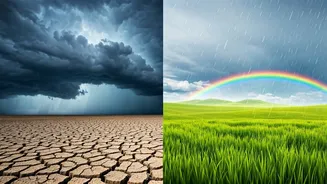
Forecasters indicate that the monsoon is entering a more active phase, which is expected to continue into early July. [3] The IMD predicts widespread rainfall will now advance across Northwest India, including Delhi, Haryana, and Punjab. [3] However, the warnings of 'heavy' to 'extremely heavy' rainfall in some areas juxtaposed with the 'below-normal' season forecast highlight the increasing volatility. [6, 15] This pattern of long dry spells punctuated by extreme rainfall events is a signature of climate change's impact on the monsoon. While the coming weeks will bring much-needed rain to many parts of the country, the warnings are clear: this is a season that requires vigilance, with the potential for both floods and drought-like conditions to coexist across the nation.