


The World from Their Perspective
To understand why reaching over a pet is a bad idea, we need to see the world from their viewpoint. For both dogs and cats, a hand descending from above can mimic the motion of a predator or be interpreted as a gesture of dominance. This can be intimidating
for any animal, but for one that is already nervous or in an unfamiliar situation with strangers, it can trigger a fear response. Direct, head-on approaches and staring are also considered threatening in the animal kingdom. What we intend as a friendly overture can feel like a confrontation to them, putting them on the defensive. A looming figure reaching into their personal space can make them feel trapped, and if the option to flee isn't available, they may feel their only remaining option is to defend themselves.
How to Read the Room: Signs of Anxiety
Before you even think about approaching, it’s crucial to read the animal’s body language. A nervous pet will give you plenty of signals that they’re uncomfortable. For dogs, look for subtle cues like lip licking, excessive yawning when not tired, or showing the whites of their eyes (often called 'whale eye'). They might also tuck their tail, pin their ears back, or have a stiff, tense body posture. Fearful cats often try to make themselves look smaller, crouching low to the ground with their ears flattened sideways or backwards. Their pupils may dilate, and they might wrap their tail tightly around their body. Hissing or growling are clear warnings to back off. Recognizing these signs is the first step in a respectful interaction.
The Right Way to Say Hello
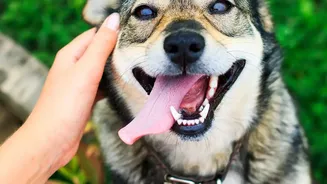
So, what should you do instead? The golden rule is to let the pet make the first move. Find a spot to settle in and initially ignore the animal. This takes the pressure off and allows them to observe you from a safe distance. If you want to invite an interaction, turn your body to the side and avoid direct eye contact, as this is less confrontational. You can try crouching down to their level, but only if you feel the situation is safe; otherwise, stay standing. Rather than offering an open hand from above, offer a closed fist near the ground and to your side. This allows them to approach and sniff you on their own terms. If the pet chooses to engage, avoid reaching for the top of their head. Instead, opt for gentle scratches on their chest, neck, or side, as these areas are less threatening.
A Note for Pet Parents
The responsibility for a safe and positive interaction doesn’t just fall on the visitor. As a pet owner, you are your animal’s biggest advocate. It's important to manage introductions and not force your pet into uncomfortable situations. If you know your dog or cat is shy around new people, ensure they have a safe, quiet space they can retreat to, like a separate room with their bed and toys. When guests arrive, you can explain your pet's needs. A simple, “He’s a bit shy, so it’s best to let him come to you,” can prevent stressful encounters. By managing the environment and communicating clearly with visitors, you help set your pet up for success and reinforce that their home is a secure and predictable place, even when company is over.