

The Modern Snacking Dilemma
For many urban Indian families, the evening snack ritual involves a parade of packaged chips, biscuits, and instant noodles. While convenient, these highly processed options are often loaded with refined flour, unhealthy fats, and empty calories, contributing
to growing concerns about lifestyle diseases. Parents find themselves in a bind, wanting to provide nutritious options but lacking the time to prepare elaborate traditional snacks. This has created a nutritional gap and a disconnect from the food wisdom that sustained previous generations, who relied on wholesome, locally grown grains.
Millets: Our Ancestors' Superfood
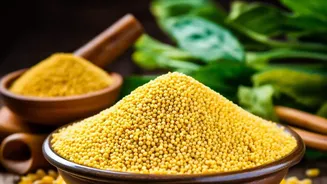
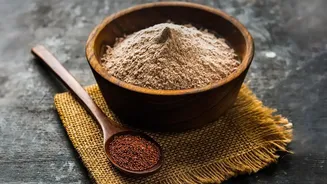
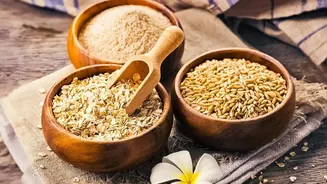
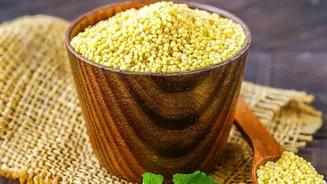
Before wheat and rice dominated our fields and plates, a diverse group of small-seeded grains known as millets were the staple food across India. Familiar names like ragi (finger millet), jowar (sorghum), and bajra (pearl millet) were cornerstones of regional diets for thousands of years. Termed 'mota anaaj' or coarse grains, these hardy crops thrived in arid conditions with minimal water, making them incredibly resilient. However, with the Green Revolution's focus on high-yield rice and wheat, millets were gradually sidelined, perceived as 'poor man's food' and fading from the urban culinary landscape.
A Nutritional Powerhouse Returns
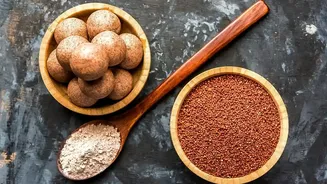
The renewed interest in millets is driven by overwhelming nutritional evidence. Compared to refined wheat and white rice, millets are vastly superior. They are packed with dietary fibre, which aids digestion and promotes a feeling of fullness, helping with weight management. They are a great source of plant-based protein and are loaded with essential minerals. Ragi, for instance, has about ten times more calcium than rice or wheat, making it excellent for bone health. Millets also have a low glycaemic index, meaning they release sugar into the bloodstream slowly, which is beneficial for managing blood sugar levels and providing sustained energy.
Reimagining Snacks with a Healthy Twist
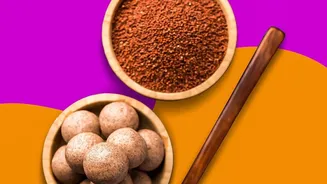
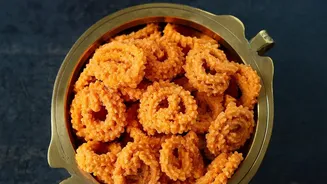
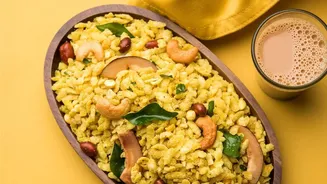
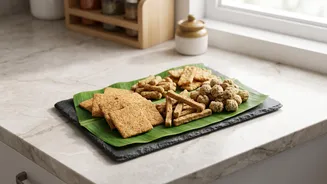
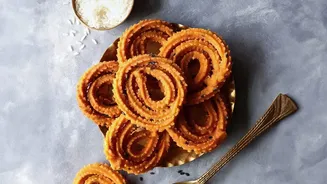
The best part about this revival is how easily millets can be adapted into familiar, kid-friendly snacks. Instead of maida-based biscuits, consider baked ragi chakli or cookies. Swap potato chips for the satisfying crunch of baked jowar chips. Traditional recipes are also getting a modern, healthy makeover. You can make a mixed millet bhel puri, ragi cutlets, or even savoury multigrain flatbreads called thalipeeth. For those with a sweet tooth, ragi laddus made with jaggery offer a guilt-free treat packed with iron and calcium. These snacks deliver the flavours and textures we love, but with a vastly improved nutritional profile.
Making the Switch Simple and Sustainable
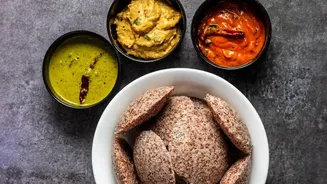
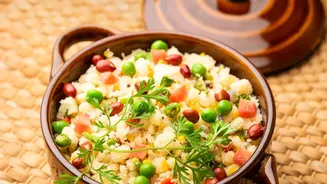
Adopting millets doesn't require a complete kitchen overhaul. Start by making small, manageable changes. Introduce millet-based meals once or twice a week. You can try replacing rice with foxtail or barnyard millet in a pulao, or making dosa and idli with ragi batter. Many brands now offer millet-based noodles, pasta, and breakfast cereals, making it easier than ever to incorporate these grains into a busy lifestyle. Involving children in the preparation of simple snacks like millet energy balls or crackers can also make them more excited to try these new, healthy foods. This journey is not about restriction, but about rediscovering a richer, more diverse way of eating.