






The Reality Beyond the Romance
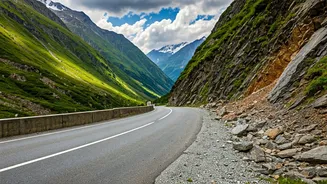
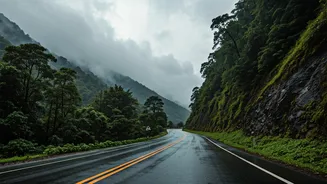
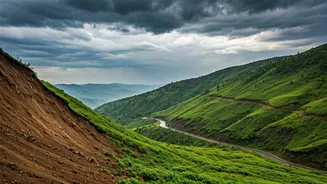
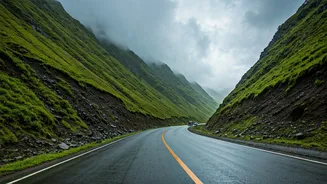
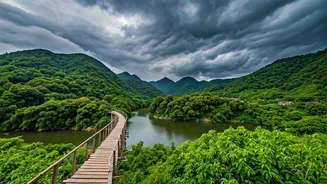
The monsoon transforms landscapes into vibrant green paradises, but it also brings tangible risks. Heavy rainfall can lead to landslides, flash floods, and blocked roads, sometimes for days. As of late June 2026, the monsoon is active across the country,
with heavy rain warnings issued for states like Himachal Pradesh, Uttarakhand, and parts of the Northeast. Unpredictable weather means a sunny morning can turn into a torrential downpour by afternoon. Power cuts are common, and network connectivity can be unreliable. This isn’t a reason to stay home, but it is a reason to travel smarter, with awareness and preparation at the core of your plans.
Reimagine Your Packing List
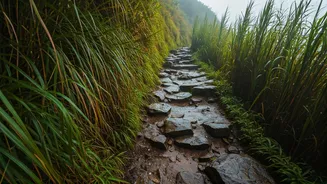
Practicality starts with what’s in your bag. Ditch the denim and heavy cottons that stay damp for days. Instead, opt for lightweight, synthetic, and quick-drying fabrics. A reliable waterproof and windproof jacket is non-negotiable. Your footwear is equally critical; choose waterproof shoes or sandals with excellent grip to navigate slippery paths. Pack a powerful torch, a fully charged power bank, and a basic first-aid kit with essentials like antiseptic, pain relievers, and medication for stomach issues. Finally, use dry bags or zip-lock pouches to protect all electronics, documents, and spare clothes from the relentless damp.
Embrace the Flexible Itinerary
A rigid, minute-by-minute schedule is your enemy during the monsoon. Roadblocks and weather delays are not just possibilities; they are probabilities. The wisest move is to build buffer days into your trip. If a landslide blocks your route, an extra day means you can wait it out without the stress of missing a flight or connection. This is the time for slow travel. Instead of rushing between ten viewpoints, pick a comfortable base and explore your immediate surroundings. Listen to local advice about which routes are safe and which areas to avoid—their knowledge is more reliable than any online guide.
Travel on the Ground, Smartly
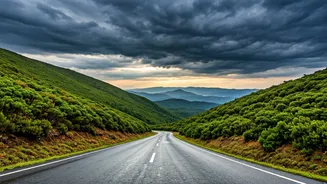
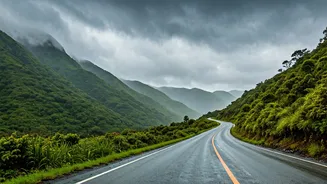
If you are driving, be extremely cautious. Roads become slippery, and visibility can drop to near zero in heavy fog or rain. It's best to avoid driving at night. An even better option is to hire a local driver who understands the terrain and its monsoon moods. This is not the season for spontaneous off-roading or taking that 'unexplored' path, which can quickly become a muddy trap. Sticking to well-paved, known routes is the safest bet. Before setting out, always check the latest weather forecasts and local advisories for your destination.
Be a Conscientious Guest
Practical energy also means being mindful of the place you're visiting. The monsoon puts immense pressure on local infrastructure and ecosystems. Avoid leaving plastic and other waste behind, as it can clog drains and pollute sensitive areas. Be cautious with water and electricity, which can be scarce during outages. Some destinations, particularly those in extremely fragile Himalayan regions, are best avoided during peak rains to prevent straining rescue resources in an emergency. Choosing safer alternatives not only protects you but also relieves pressure on vulnerable communities. Supporting local businesses, from homestays to cafes, is wonderful, but always do so responsibly.