







1. Hydrate Even If You Aren't Thirsty
In cooler weather, your thirst response is often diminished, which can trick you into thinking you don't need to drink as much. However, you still lose significant fluid through sweat and respiration, as your body works to warm and humidify the cold,
dry air you breathe. Dehydration can sneak up on you, impairing performance and recovery. Aim to drink water consistently throughout the day, not just during your workout. Post-exercise, replenish fluids with water, electrolyte drinks if the session was long or intense, or even a warm herbal tea to help restore hydration and raise your core temperature. Monitoring your urine colour is a good way to check your hydration status; a pale yellow colour indicates you are well-hydrated.
2. Warm Up From The Inside Out
After a chilly workout, your body needs to re-establish a stable core temperature. Consuming warm foods and drinks is a comforting and effective way to aid this process. A steaming bowl of soup, a hearty stew, or even a simple cup of warm milk or broth can be incredibly beneficial. These options not only provide warmth but also deliver essential fluids and nutrients simultaneously. Think of a lentil soup, a chicken and vegetable stew, or a bowl of oatmeal. These meals are easy to digest and kick-start the recovery process by providing the energy your body needs after working hard to stay warm and perform.
3. Refuel With Smart Carbohydrates
Carbohydrates are your muscles' primary fuel source, and exercising in the cold can deplete your glycogen stores even faster as your body burns extra energy to maintain its temperature. Replenishing these stores within the first 30 to 60 minutes post-exercise is vital for effective recovery. Opt for nutrient-dense, complex carbohydrates that provide sustained energy. Excellent choices include oatmeal, sweet potatoes, brown rice, and whole-grain pasta or bread. A meal combining these carbs with protein, like a chicken and quinoa bowl or whole-grain toast with eggs, will optimise glycogen replenishment and prepare your body for your next workout.
4. Prioritise Protein for Muscle Repair
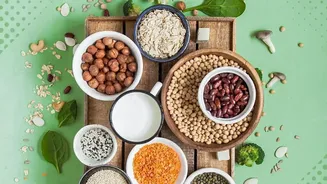
Every workout causes microstears in your muscle fibres, and protein provides the amino acids necessary to repair this damage and build stronger muscles. Consuming protein shortly after your training session is crucial for accelerating this repair process. Aim to include a quality protein source in your postworkout meal or snack. Good options include lean meats like chicken and turkey, fish, eggs, and dairy products like Greek yogurt. Plantbased athletes can opt for lentils, beans, tofu, and quinoa to meet their protein needs. A balanced meal containing both protein and carbohydrates is the gold standard for recovery.
5. Support Your Immune System
Intense training in cold weather can temporarily suppress your immune system, making you more susceptible to colds and other illnesses. Fortifying your diet with immuneboosting nutrients is a smart strategy to stay healthy throughout the season. Vitamin C, found in citrus fruits, bell peppers, and berries, is a powerful antioxidant. Vitamin D, often called the 'sunshine vitamin', is also crucial, and can be found in fatty fish, egg yolks, and fortified foods. Additionally, zinc, present in nuts, seeds, and beans, plays a key role in immune cell function. Incorporating a colourful variety of fruits and vegetables into your diet ensures you get a wide range of these protective micronutrients.