


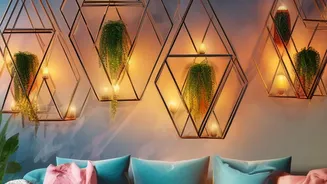
The Rise of Functional Art
For years, the primary job of a lamp was simple: to provide light. But a major shift is underway in interior design. Lighting is no longer just a utility; it's being treated as functional art. Homeowners and designers are increasingly choosing fixtures
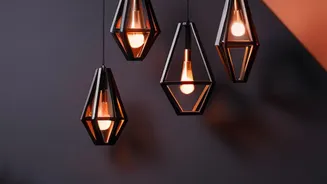
for their shape, material, and sculptural presence. These pieces command attention and hold visual interest even when switched off, much like a sculpture or a piece of furniture. This trend reflects a broader move away from stark minimalism towards spaces that feel more layered, tactile, and expressive, without sacrificing a clean aesthetic.
More Personality, Less Footprint
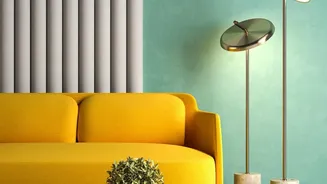
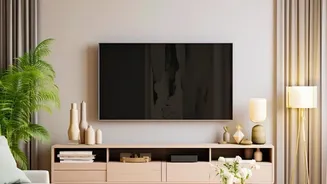
One of the biggest challenges in modern homes, especially smaller ones, is adding personality without making the space feel crowded. This is where the decorative lamp truly shines. Instead of using multiple small decor items that can contribute to a sense of clutter, a single, well-chosen statement lamp can provide a powerful focal point. It's a design tool that adds visual weight and character without taking up precious surface or floor space. A sculptural floor lamp can anchor a living room corner, or a pair of artistic table lamps can frame a sofa, adding symmetry and style efficiently.
A Style for Every Story
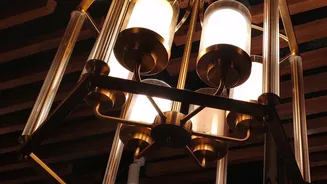
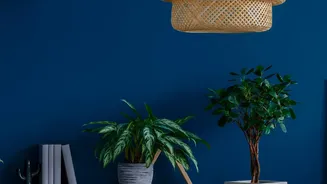
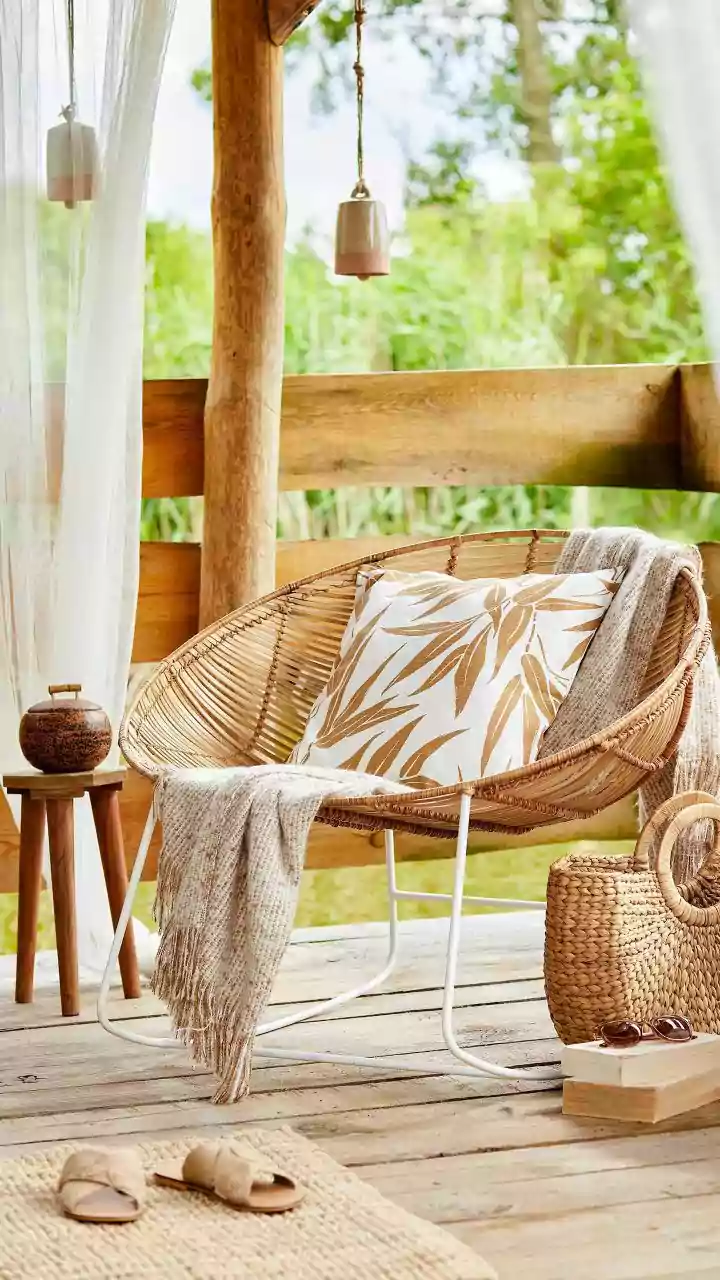
The beauty of this trend is its versatility. 'Decorative lamp' doesn’t refer to one specific style. It can be a vintage-inspired piece with ornate brass details, a modern ceramic lamp with a unique glaze, or a minimalist fixture with a surprising geometric form. Current trends favour organic shapes, softened lines, and natural materials like carved wood, stone, and rattan. These handcrafted and artisanal fixtures bring a sense of warmth and texture into a room, softening clean lines and adding a human touch. Whether your home is contemporary, traditional, or bohemian, there is a lamp that can help tell your personal style story.
How to Choose Your Statement Piece
When selecting a decorative lamp, think beyond just its ability to light a room. Consider its role as an object. First, get the scale right; a lamp that is too small can get lost, while one that is too large can overwhelm a space. Think about placement. A tall floor lamp adds vertical interest, while a table lamp creates intimacy at eye level. Don’t be afraid to make it the 'hero' of the room, giving it space to be noticed. It should work as part of a layered lighting scheme, which combines ambient (general), task (focused), and accent lighting for a balanced and functional atmosphere.
Beyond the Living Room
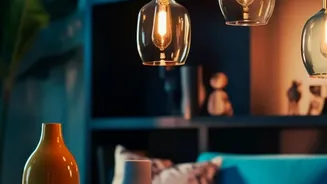
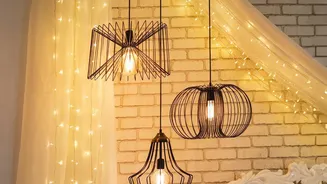
While the living room is a natural home for a statement lamp, this design strategy works wonders throughout the house. In the bedroom, sculptural bedside lamps can save space on nightstands and create a serene, hotel-like feel. An artistic pendant light in an entryway or stairwell makes these transitional spaces feel more considered and memorable. Even a kitchen can benefit from a bold pendant over an island, which helps define the area in an open-plan layout. The key is to see every light source as an opportunity to introduce beauty and character.