


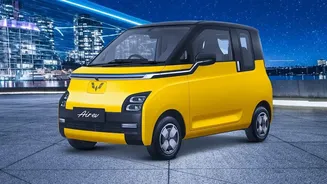
The EV Surge: Driven by Policy and Urban Appeal
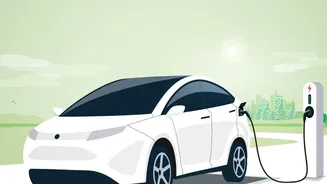
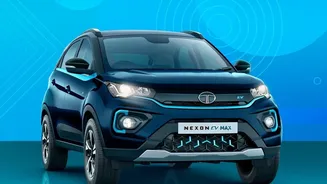
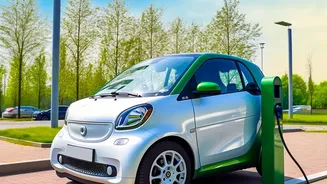
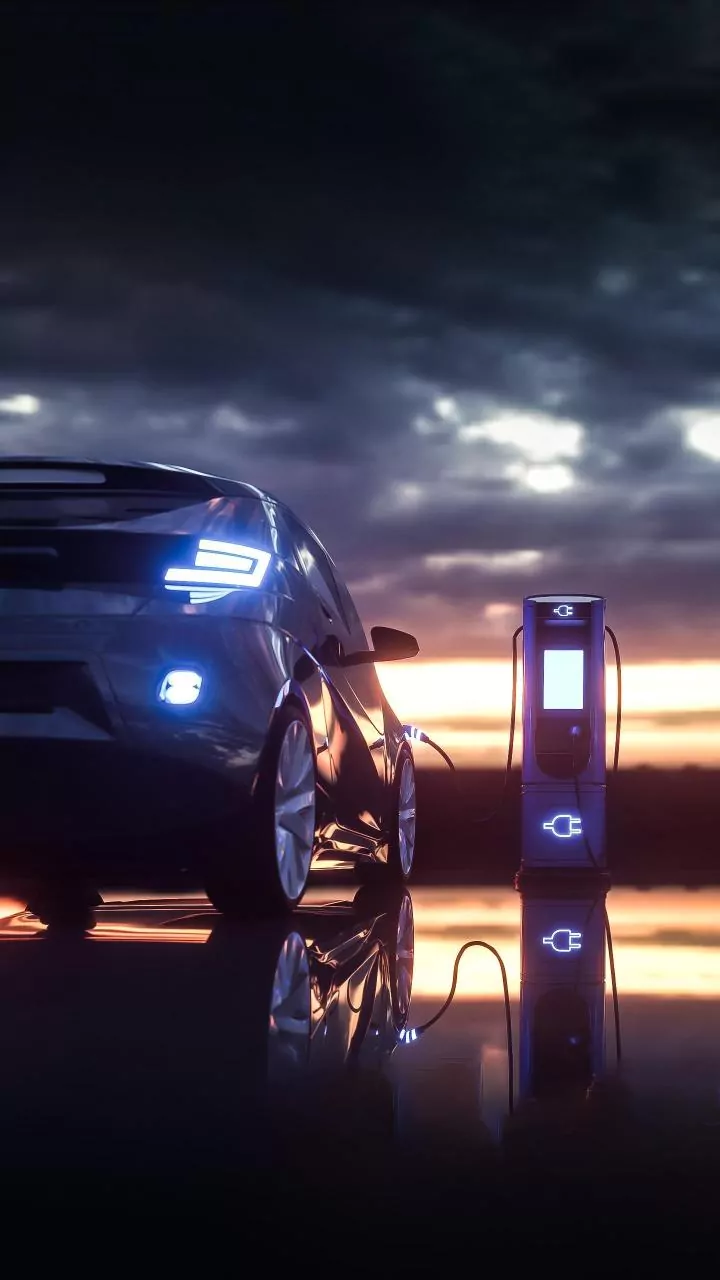
Electric vehicle sales in India are growing at an impressive rate, with some forecasts projecting a compound annual growth rate (CAGR) of over 40% in the coming years. This boom is fuelled by strong government support through schemes like PM E-DRIVE,
state-level subsidies, and lower GST rates on EVs. For consumers, the primary attractions are extremely low running costs, especially when charging at home, and a quiet, smooth driving experience. EVs are proving to be an ideal choice for urban buyers with predictable daily commutes and access to home or workplace charging. However, challenges like high upfront costs, range anxiety, and a still-developing public charging network mean they aren't yet the perfect fit for everyone.
CNG: The Undisputed King of Low Running Costs
While EVs represent the future, CNG is the undisputed champion of affordable mobility right now. In August 2026, CNG vehicles made up over 25% of passenger car retail sales, demonstrating their immense popularity. The number one reason is simple: cost. The cost per kilometre for a CNG car is significantly lower than for a petrol vehicle, offering substantial long-term savings. Unlike EVs, CNG cars don't require a lifestyle change for refuelling, and the network of CNG stations has expanded significantly. Automakers have also made CNG models more appealing by offering them in higher-spec variants and introducing innovations like twin-cylinder technology to free up boot space, addressing a long-standing complaint. For high-mileage drivers and the budget-conscious, CNG remains the most practical and economical choice.
Hybrids: The Perfect Bridge Technology
Positioned between traditional petrol cars and full EVs, hybrids offer a compelling middle ground. Strong hybrids, which can run on pure electric power for short distances, provide a significant boost in fuel efficiency without the range anxiety associated with EVs. This makes them an attractive option for buyers who want to reduce their fuel consumption but are not yet ready or able to commit to a fully electric lifestyle. While the upfront cost is higher than conventional cars, the promise of lower fuel bills and the flexibility to go anywhere without worrying about chargers is a powerful combination. In August 2026, hybrids accounted for around 9% of the market, carving out a solid niche among consumers seeking a balance of efficiency and convenience.
A Market for Every Need and Budget
The simultaneous growth of these three distinct technologies highlights the diversity of the Indian car market. It's not a single race with one winner, but a collection of different races happening on different tracks. A buyer in a metro with a short commute and home charging might find an EV to be the perfect fit. A sales professional covering hundreds of kilometres a week might lean towards a CNG car for its low running costs. A family looking for an all-purpose vehicle for both city and highway use could find a strong hybrid to be the ideal solution. Factors like purchase price, daily usage, fuel availability, and access to charging infrastructure all play a crucial role in the decision-making process. This segmentation is why, for the first time in August 2026, alternative fuels (CNG, hybrid, and EV combined) collectively outsold petrol cars, signalling a mature market where consumers are actively choosing the powertrain that best suits their specific needs.