





What Are Native Plants?
Native plants are species that have grown and evolved in a particular region for thousands of years without any human intervention. In India, this includes everything from the sacred Tulsi and mighty Neem tree to the fragrant Jasmine (Mogra) and colourful
Marigolds. These plants are perfectly in sync with the local environment, having adapted over millennia to India's specific climate, soil types, and rainfall patterns. Unlike exotic or imported varieties that might struggle, native plants are genetically programmed to thrive right where they are planted, making them a smart and sustainable choice for any garden.
The 'Hassle-Free' Advantage
The main appeal of a native garden is its low-maintenance nature. Because these plants are adapted to local conditions, they require significantly less human help. They are accustomed to the region's rainfall, meaning you'll need to water them far less once they are established. This resilience also extends to pests and diseases; native plants have co-evolved with local insects and microbes, developing natural defences that reduce the need for chemical pesticides and fertilisers. This not only saves you time, money, and effort but also creates a healthier, chemical-free environment for you and your family.
Beautiful Native Choices for Your Garden
Going native doesn't mean sacrificing beauty. Many of India’s indigenous plants are stunning and perfect for home gardens. Consider the Jasmine (Mogra or Chameli), which offers intoxicatingly fragrant white flowers that thrive in the heat. Hibiscus is another robust choice, producing large, colourful blooms that attract pollinators. For a splash of vibrant colour, Marigolds (Genda) are incredibly easy to grow and are known to deter pests. If you're looking for something functional, the Curry Leaf plant (Kadi Patta) is a low-maintenance addition that provides fresh leaves for your kitchen. Holy Basil (Tulsi) is another must-have; it's revered for its medicinal properties and is very resilient.
How to Get Started
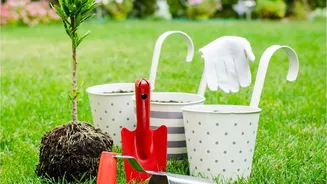
Creating your own native garden is a straightforward process. First, observe your space. Note how much sunlight different areas receive and the type of soil you have. Next, seek out local nurseries that specialise in native species. They can provide healthy plants and valuable advice. When planting, prepare the soil by removing weeds and adding some organic compost to give your new plants a good start. While native plants are drought-tolerant, they will need regular watering for the first few months to help their root systems get established. After that, you can gradually reduce watering and let nature take its course.
More Than Just a Garden
By planting native species, you are doing more than just creating a low-maintenance landscape. You are cultivating a small-scale ecosystem. These plants provide vital food and shelter for local wildlife, including birds, bees, butterflies, and other beneficial insects. A garden filled with native flora becomes a crucial habitat, supporting the biodiversity that is under threat from urbanisation. Your patch of green becomes a link in a larger ecological chain, helping to stabilise soil, conserve water, and preserve the natural heritage of your region.