
From Sightseeing to 'Experience-ing'
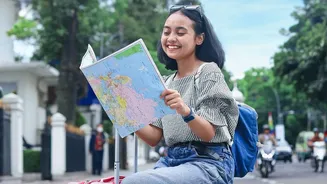
There’s a clear shift happening in how Indians, especially younger generations, approach their holidays. The old model of passive sightseeing—visiting monuments, ticking off viewpoints—is giving way to a desire for active participation and immersive experiences.
This new 'experience economy' is driven by a quest for memorable moments, cultural engagement, and shareable stories. Travellers are no longer just asking “Where can I go?” but “What can I do?”. According to travel industry reports, a significant majority of Indian travellers now express a strong interest in experience-led holidays, and festivals are a perfect fit. They offer a concentrated dose of culture, community, and entertainment, making them an ideal focal point for a short trip.
The New Festival Calendar
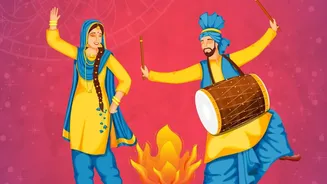
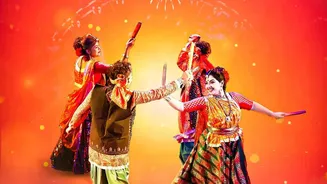
When one talks about festivals in India, it's no longer just about traditional religious celebrations. While events like Durga Puja in Kolkata and Onam in Kerala are indeed becoming major travel draws, the modern festival landscape is incredibly diverse. Music tourism, in particular, has exploded. Events like the Ziro Festival of Music in Arunachal Pradesh, NH7 Weekender in multiple cities, and the Cherry Blossom Festival in Meghalaya are now marquee names on the travel calendar for Gen Z and millennials. Beyond music, literary festivals, food festivals like Delhi's National Street Food Festival, and unique cultural showcases such as the Rann Utsav in Gujarat are turning niche interests into compelling reasons to travel. These events are no longer side attractions; for many, they are the destination itself.
The Millennial and Gen Z Effect
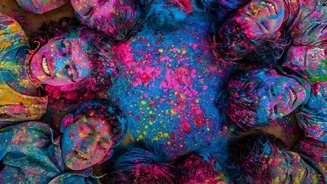
This trend is being overwhelmingly powered by India’s younger demographic. According to one survey, over 62% of Gen Z travellers in India are planning music-led trips. For this generation, the allure of a festival is multi-layered. It's about seeing a favourite artist, but it's also about community, self-expression, and the 'fear of missing out' (FOMO) fuelled by social media. The visual and social nature of festivals makes them perfect for platforms like Instagram, where a well-captured moment can define a trip. These travellers are also redefining luxury; it's less about opulent hotels and more about the quality of the experience. Many are redirecting their budgets from premium flights to unique local tours, food trails, and the festival tickets themselves.
A Boost for Local Economies
The rise of festival-centric travel is creating a powerful economic ripple effect, especially in smaller towns and remote regions. When a major festival comes to town, it drives demand for everything from homestays and boutique hotels to local transport, cafes, and artisans. This provides a significant boost to local economies and promotes a more sustainable form of tourism. Travel companies have been quick to respond. Many now offer curated 'travel for a reason' packages built around specific festivals, often bundling tickets with accommodation, transport, and other local experiences like craft tours and culinary explorations. This infrastructure makes it easier than ever for travellers to plan their getaways around these cultural anchors.
Planning the Perfect Festival Trip
This new travel style also comes with a new approach to planning. Unlike spontaneous weekend trips, festival getaways often require more forethought. Data shows that travellers are booking these trips further in advance, with an average booking window of around 21 to 60 days. These are often shorter, more frequent trips, with the average duration hovering around three to five nights. Travellers are combining the main event with a few extra days to explore the surrounding area, turning a concert into a mini-vacation. This planned approach allows them to secure tickets to popular, often sold-out events and find the best deals on stays and travel, ensuring the focus remains on the experience itself.