

A Return to Ancient Grains
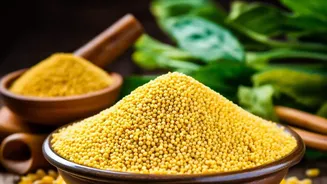
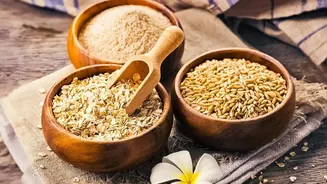
For centuries, millets like jowar (sorghum), bajra (pearl millet), and ragi (finger millet) were the backbone of the Indian diet. Cultivated for over 5,000 years in India, these hardy grains were eventually overshadowed by the agricultural push for wheat
and rice. Now, a new generation of chefs and health-conscious consumers is rediscovering these 'heritage' grains, not just for nostalgia, but for their rich nutritional profiles and distinct, earthy flavours. Varieties such as foxtail, kodo, barnyard, and little millet are moving from the fringe to the forefront of modern Indian cuisine, celebrated for their versatility and connection to the land.
The Low-GI Health Advantage
A major driver of this trend is the growing demand for healthier food choices. Millets are nutritional powerhouses, but their key selling point for many is their low Glycemic Index (GI). Unlike refined carbohydrates that cause a rapid spike in blood sugar, low-GI foods release energy slowly and steadily. This makes them an excellent choice for managing blood sugar levels, aiding in weight management, and promoting sustained energy. As urban diners become more aware of the link between diet and wellness, low-GI alternatives to popular snacks have become incredibly sought after, and millets fit the bill perfectly.
Unleashing Culinary Creativity
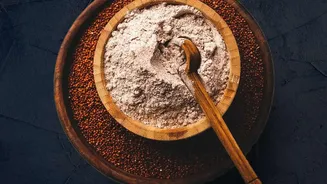
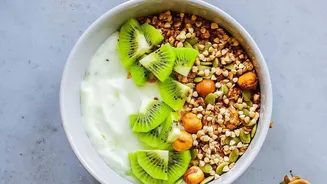
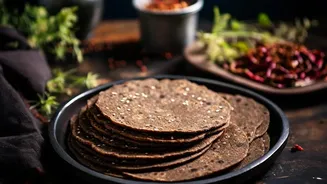
For a modern chef, millets are a creative dream. They offer a diverse palette of textures and tastes that go far beyond what wheat or rice can provide. Finger millet (ragi) has malty, earthy notes, while foxtail millet is mildly nutty, and pearl millet (bajra) has a robust flavour. Chefs are using these unique characteristics to add complexity and crunch to their dishes. Millet flour is being used to create gluten-free baked goods, while whole grains are turned into creamy risottos or crispy coatings. The challenge of transforming a 'coarse, rural grain' into a sophisticated dish is a driving force, allowing chefs to innovate while telling a powerful story about India's agricultural legacy.
Reinventing the Snack Menu
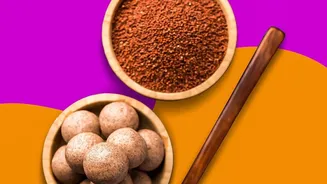
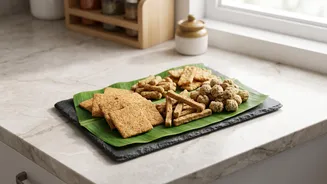
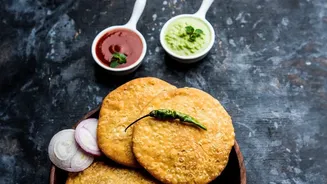
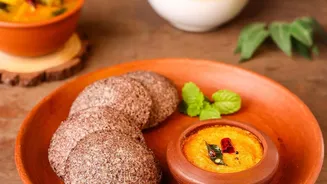
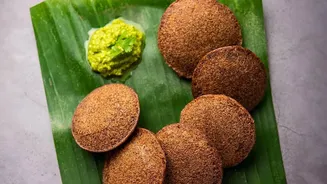
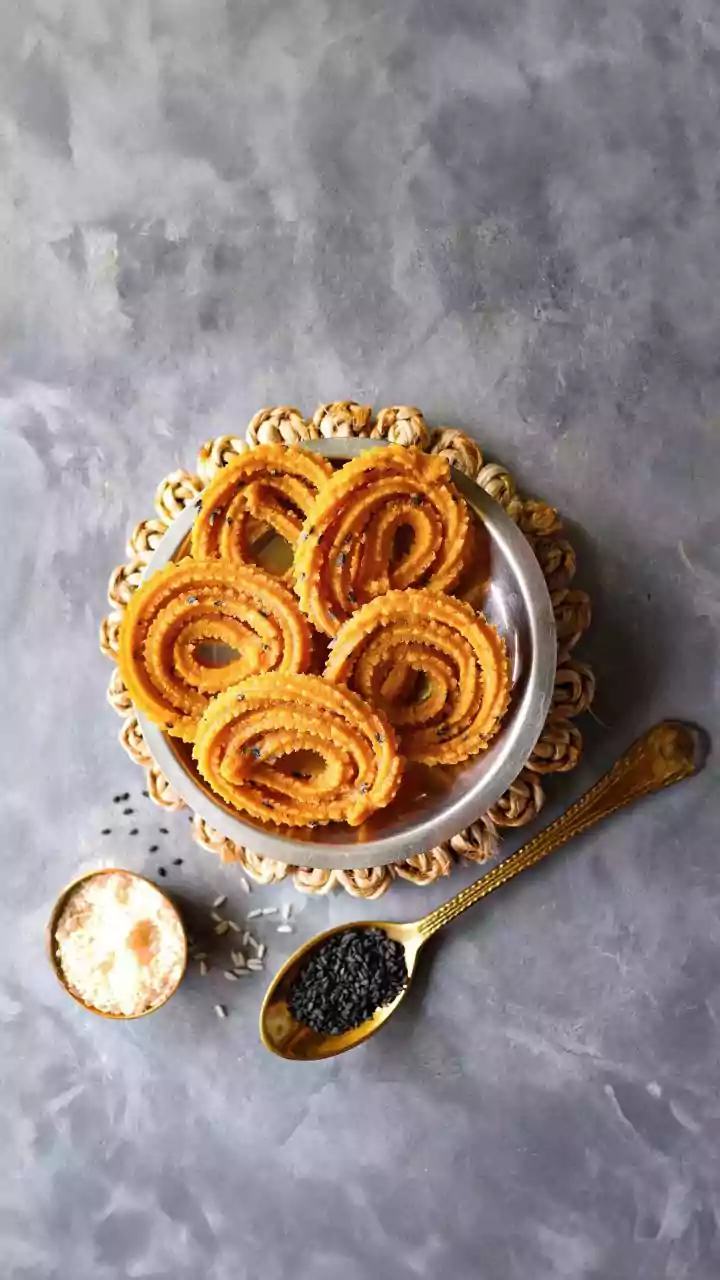
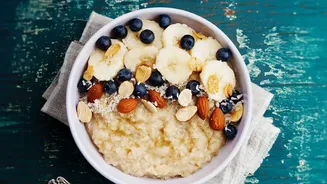
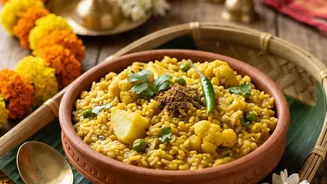
The most exciting transformations are happening in the snack category. Traditional high-GI snacks are being ingeniously reimagined. Imagine crispy tacos made from jowar flour, energy balls crafted from ragi, or savoury chivda using puffed millet flakes. Restaurants are serving up millet-based dimsums, modern khichdi preparations, and even millet curd rice as a comforting side. Instead of deep-fried potato appetisers, menus now feature baked or air-fried millet snacks that don't compromise on flavour. These creations satisfy the craving for something crunchy, savoury, and satisfying, but without the guilt associated with conventional snacks.
The Sustainability Factor
Beyond health and flavour, chefs are also drawn to the environmental benefits of millets. These grains are known for being incredibly resilient. They are often drought-resistant, require less water than rice and wheat, and can thrive in poor soil with fewer pesticides. By featuring millets on their menus, restaurants can participate in a larger conversation about sustainable agriculture and food security. As diners become more environmentally conscious, choosing a dish made with climate-resilient grains offers a way to make a more responsible choice, connecting the food on their plate to the health of the planet.