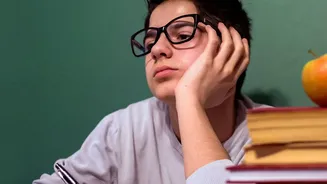



Why Yoga for Exam Stress?
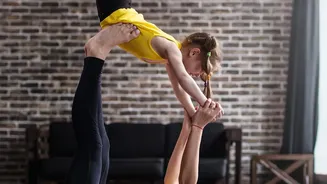
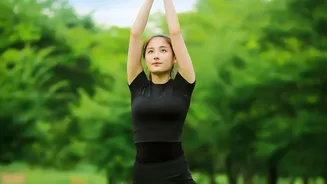
The connection between yoga and stress relief is well-documented. For teenagers, the benefits are particularly relevant during high-pressure academic periods. The practice combines physical postures (asanas), controlled breathing (pranayama), and mindfulness.
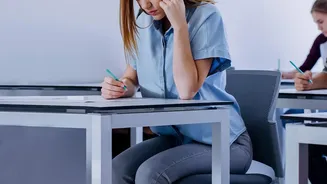
This trio works to calm the sympathetic nervous system—our 'fight or flight' response—which is often in overdrive during exam season. Studies show that even a short, regular yoga practice can help reduce levels of the stress hormone cortisol, leading to better sleep, improved concentration, and a greater ability to manage anxiety. It enhances focus and memory, skills that are crucial for effective studying and performing well under pressure.
Getting Started: Keep It Simple and Fun
Introducing yoga shouldn't feel like another chore on a teenager's packed schedule. The key is to make it accessible and enjoyable. You don't need expensive gear or a fancy studio; a comfortable spot on the floor is enough. To make it more engaging, suggest they create a playlist of their favourite calming music. The goal is not to perfect every pose but to connect with their breath and body, releasing the tension that builds up from hours of sitting and studying. A 15-20 minute session a few times a week can make a significant difference.
Stretch 1: Cat-Cow Pose (Marjaryasana-Bitilasana)
This gentle, flowing movement is excellent for warming up the spine and releasing tension in the back and neck. Start on your hands and knees in a 'tabletop' position, with wrists under shoulders and knees under hips. As you inhale, drop your belly towards the floor and look up, arching your back (Cow Pose). As you exhale, round your spine up towards the ceiling, tucking your chin to your chest (Cat Pose). Flow between these two poses for 8-10 breaths, syncing your movement with your breath. It’s a simple way to relieve discomfort from long hours spent hunched over books.
Stretch 2: Child's Pose (Balasana)
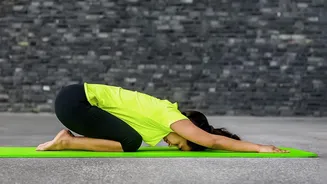
Child's Pose is a deeply restorative posture that helps quiet the mind and gently stretches the hips, thighs, and ankles. From the tabletop position, bring your big toes to touch, sit back on your heels, and fold forward, resting your torso on your thighs. Your arms can be stretched out in front of you or resting alongside your body. Let your forehead rest on the floor. It’s a moment to turn inward, shut out external pressures, and focus on steady, deep breaths. Holding this pose for a minute or more can provide an immediate sense of calm.
Stretch 3: Standing Forward Bend (Uttanasana)
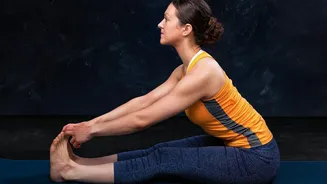
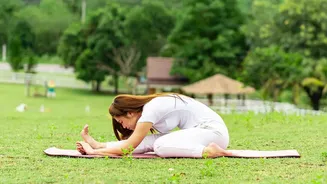
After sitting for long periods, a forward bend can feel incredible. It stretches the hamstrings and back while helping to relieve stress and mild anxiety. Stand with your feet hip-width apart. As you exhale, hinge at your hips and fold forward, letting your head hang heavy. You can bend your knees generously to protect your lower back. Let your arms dangle or gently hold opposite elbows. This inversion helps to calm the nervous system by increasing blood flow to the brain, providing a sense of release.
Breathing is Half the Battle: Box Breathing
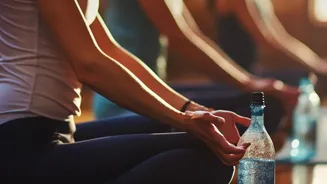
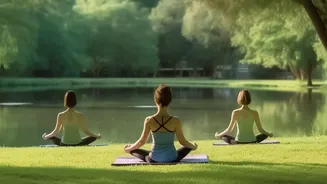
A simple breathing technique can be a powerful tool right before an exam or during a stressful study session. Box Breathing is easy to remember and highly effective. Find a comfortable seat. Inhale slowly through your nose for a count of four. Hold your breath for a count of four. Exhale slowly through your mouth for a count of four. Hold your breath again for a count of four. Repeating this cycle 4-6 times can lower your heart rate and bring a feeling of centeredness.