

Understanding the Nutrition Drive
Every September, India observes Rashtriya Poshan Maah (National Nutrition Month) to raise awareness about healthy eating. This year, the 9th edition of the campaign kicks off on September 9th in Varanasi, emphasizing themes like dietary diversity and
community participation to build a healthier nation. The goal is to turn nutrition into a 'Jan Andolan' or mass movement, encouraging every family to make small, sustainable changes. For parents, this is the perfect opportunity to reassess what’s on your child’s plate and build healthier long-term habits.
Common Gaps on the Indian Plate
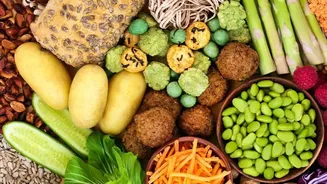
Despite access to a rich variety of foods, several key nutrient deficiencies are common among Indian children. Iron deficiency is the most widespread, leading to fatigue and poor concentration. Vitamin D deficiency is also a major concern, affecting bone health and immunity, even in a sunny country. Other common gaps include inadequate protein for growth, and shortages of zinc, Vitamin A, and Vitamin B12. These deficiencies often arise from diets heavy in cereals but lacking in diverse vegetables, fruits, and proteins.
Powering Up Breakfast and Tiffins
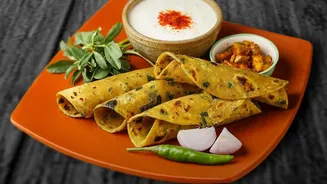
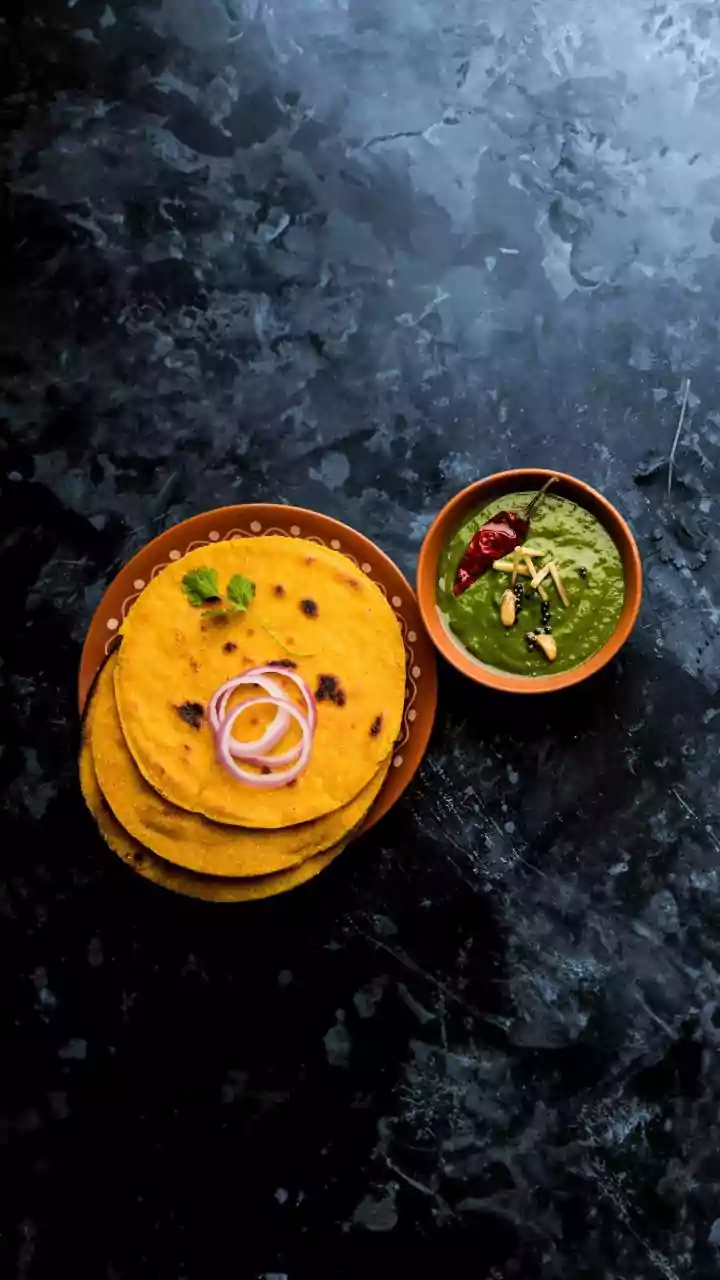
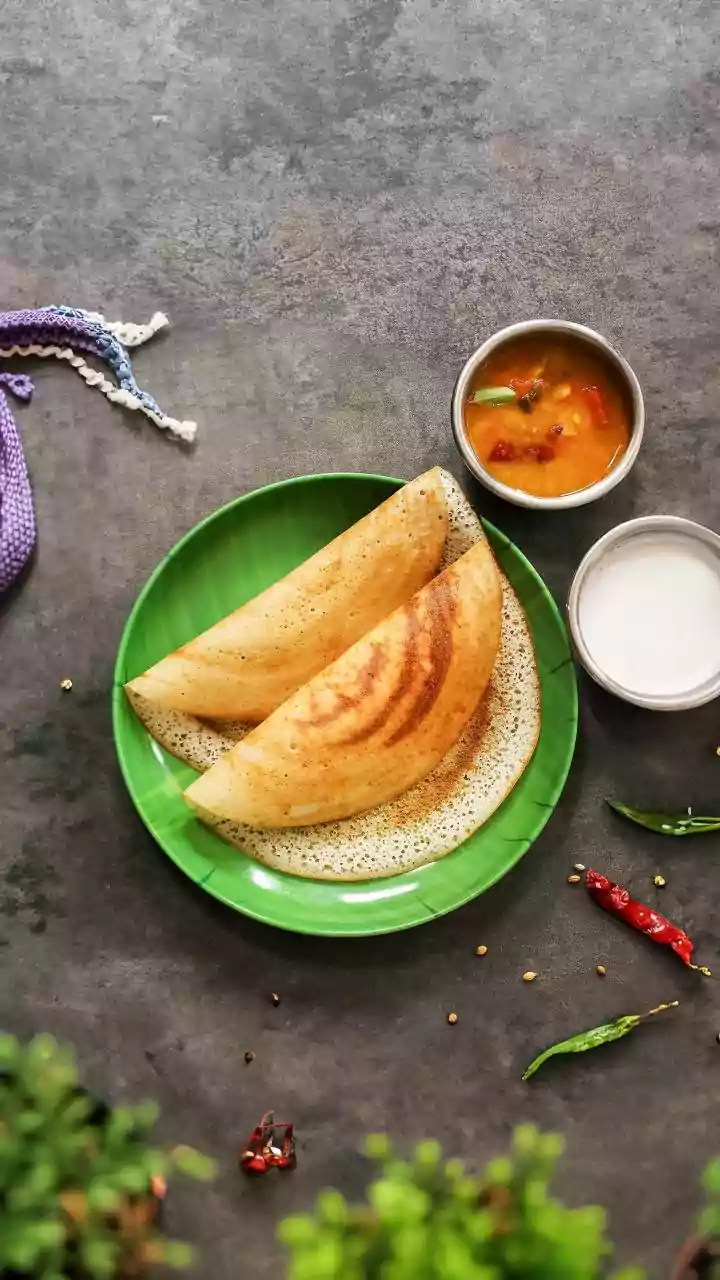
The morning rush often leads to convenient but nutritionally poor choices. Instead of sugary packaged cereals, consider traditional Indian options. A simple switch to whole grain atta for rotis or parathas adds fibre. For breakfast, think beyond the usual and try ragi (finger millet) dosas or porridge, which are packed with calcium and iron. When packing a tiffin, focus on balance. A simple rule is to divide the box visually: include a grain (roti, rice), a protein (dal, paneer, egg), and a vegetable. Leftovers from a healthy dinner can be a great time-saver for the next day's lunchbox.
Winning the Snack-Time and Dinner Battle
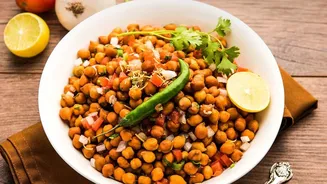
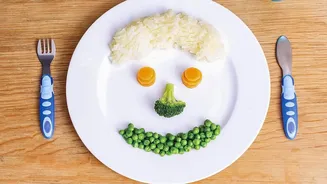
The hours after school are a minefield of junk food temptation. Instead of packaged chips and biscuits, offer homemade alternatives. Roasted makhana (fox nuts), a handful of roasted chana (chickpeas), or a simple paneer sandwich are excellent options that provide protein and sustained energy. Dealing with picky eaters at dinner is another common struggle. The key is to avoid turning meals into a battle. Instead, try involving children in the cooking process or 'hiding' nutrition in their favourite foods, like grating vegetables into paratha dough or blending them into a pasta sauce. It is also helpful to serve small portions and not use food as a reward.
Making Small, Consistent Changes
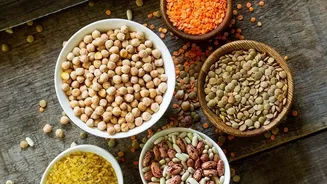
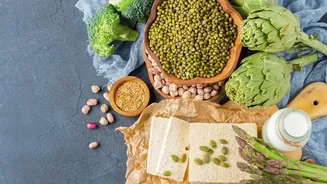
You don't need to overhaul your family's diet overnight. The most effective approach is to make small, consistent improvements. Start by introducing one new vegetable a week or ensuring there is a protein source in every meal. Combining lentils and rice (like in khichdi) creates a complete protein. Adding a simple kachumber salad to the meal increases vitamin intake. Remember, the goal is not perfection but progress. Many Indian staple foods like dals, dahi, paneer, and seasonal vegetables are nutritional powerhouses. By focusing on these traditional foods and reducing reliance on processed snacks, you can significantly boost your child's health.