






When you think of ballet, you might picture graceful dancers on a stage. But what if the same principles could offer a powerful, accessible workout for everyone? Ballet conditioning is stepping out of the studio and into the fitness world.
An Approachable Full-Body Workout
Ballet conditioning,
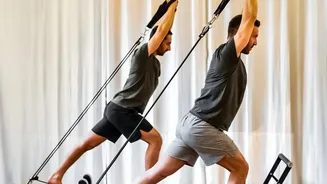
often called ballet fitness or barre, is a workout method inspired by the foundational exercises of classical ballet. Unlike preparing for a performance, the goal here is not technical perfection but functional fitness. Classes blend ballet-style movements with elements of Pilates, yoga, and strength training. They typically involve a series of low-impact, high-repetition exercises that target specific muscle groups. You don’t need any dance experience to start; these workouts are designed to be approachable for absolute beginners and can be done using a chair or countertop for support instead of a traditional barre. The focus on controlled, deliberate movements makes it a safe yet challenging option for people of all fitness levels, building long, lean muscles rather than bulk.
The Cardiovascular Connection
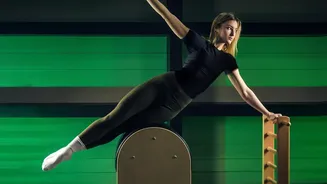
While ballet might not seem like traditional cardio, its structure provides a surprisingly effective heart workout. Many ballet fitness classes are taught at a brisk pace, incorporating fluid, continuous movements that elevate your heart rate. Rather than steady-state cardio like jogging, ballet conditioning functions more like interval training. It combines periods of high intensity, such as jumps (allegro) and dynamic sequences, with moments of active recovery, like slower, controlled movements (adagio). This 'stop-and-start' nature challenges your cardiovascular system, improves circulation, and can help lower blood pressure over time. Even holding a seemingly static position, like an arabesque, requires sustained muscle engagement that keeps your heart working to supply oxygen to your muscles, boosting endurance and overall heart health.
Building a Stronger Core
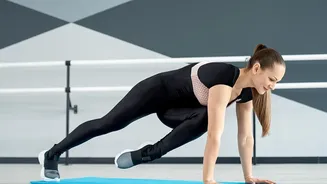
At the heart of every ballet movement is a strong, engaged core. Ballet conditioning places a huge emphasis on maintaining a lifted, stable torso, which is essential for almost every exercise you perform. A strong core—encompassing the abdominals, obliques, and lower back muscles—acts as the powerhouse for controlled movements, from simple pliés to more complex balances. This constant engagement strengthens the deep abdominal muscles that support your spine, which can significantly improve posture and reduce lower back pain. Exercises like planks and controlled leg lifts, which are staples in ballet fitness, directly target these stabilising muscles, creating a solid foundation that enhances control and reduces the risk of injury.
Refining Balance and Stability
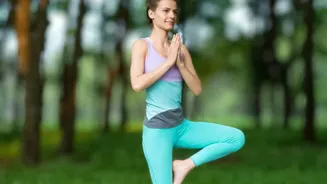
Graceful balance is a hallmark of ballet, and conditioning workouts are exceptional at developing it. Ballet trains your body's proprioception, which is your sense of where your body is in space. Movements that require balancing on one leg, rising onto the balls of your feet (relevés), or shifting your centre of gravity challenge and improve your stability. By strengthening the small stabilising muscles in your feet, ankles, and legs, these exercises create a more secure base of support. Over time, this enhanced neuromuscular control translates directly into everyday life, improving your coordination and making you steadier on your feet, which is particularly beneficial for preventing falls as you age.