

The Science of Souring
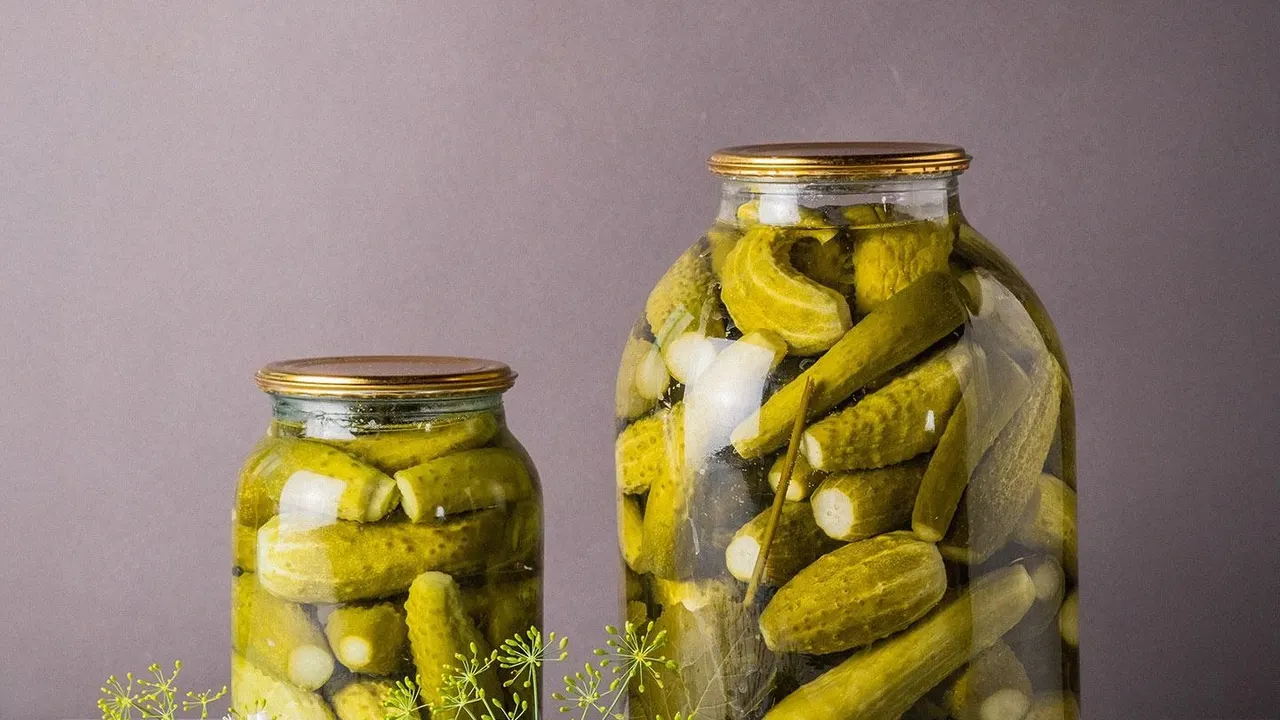
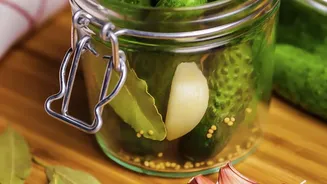
At its heart, lactic fermentation is a natural preservation method where beneficial bacteria, known as lactic acid bacteria (LAB), convert sugars in vegetables into lactic acid. This process creates an acidic, low-oxygen environment that not only preserves
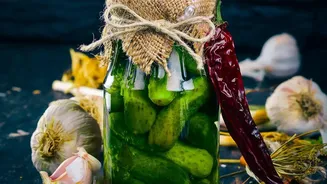
the food but also prevents the growth of harmful microbes that cause spoilage. Unlike pickles preserved in oil or vinegar, which primarily aim to stop decay, fermentation is a transformative process. It doesn’t just preserve; it enhances the food, breaking it down to make it more digestible and creating a host of new flavours.
A Flavour Profile Reimagined
One of the most compelling reasons for the switch is flavour. While oil-based pickles offer a familiar taste dominated by spices and oil, fermented foods deliver a complex, tangy, and deeply savoury profile. The fermentation process develops umami and layers of tartness that are far more nuanced than the sharp sourness of vinegar. This depth of flavour allows home cooks to create condiments and side dishes that elevate everyday meals, from a simple dal-rice to a sandwich, with a unique taste that cannot be replicated by industrial preservatives.
The Gut Health Connection
The modern wellness movement, with its intense focus on gut health, is arguably the biggest driver of this trend. Fermented foods are natural sources of probiotics—live beneficial bacteria that support a healthy gut microbiome. As urban Indians become more conscious of lifestyle-related health issues, many are turning to food as a form of preventative medicine. A healthy gut is linked to improved digestion, better nutrient absorption, stronger immunity, and even enhanced mental well-being. Traditional Indian fermented foods like kanji, dosa batter, and naturally fermented pickles are now being celebrated as 'functional foods' that deliver these benefits.
Reclaiming a Rich Heritage
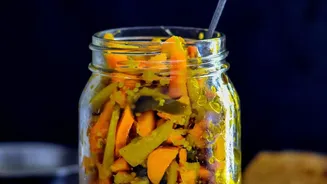
This trend is also a journey back to our roots. Fermentation has been an integral part of Indian culinary traditions for centuries. From the dhokla of Gujarat and idli of the South to the fermented bamboo shoots of the Northeast, nearly every region has its own fermented staples. For many city dwellers, learning to ferment is a way to reconnect with the food wisdom of their grandparents, who used these techniques for flavour and preservation long before refrigeration was common. It’s a sustainable, low-cost practice that honours a rich culinary heritage that was at risk of being forgotten.
Beyond Just Pickles
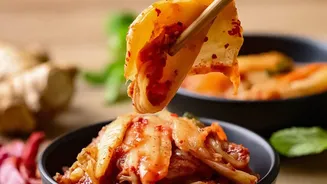
While oil preservation is largely limited to pickles (achaar), lactic fermentation opens up a world of possibilities. Home cooks are experimenting with a wide range of vegetables to create their own versions of kimchi and sauerkraut, or brewing gut-friendly drinks like kombucha and kanji. This versatility allows for greater creativity in the kitchen. The process is also surprisingly simple and cost-effective, often requiring little more than vegetables, salt, and water. This accessibility makes it an attractive skill for the modern home cook looking to add a healthy and flavourful dimension to their meals without relying on store-bought products.