


The Story in the Soil: Why Origin Matters
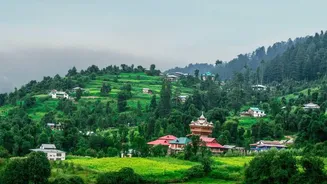
Much like fine wine, the character of a specialty tea is deeply rooted in its 'terroir'—the unique combination of soil, climate, and altitude where it is grown. This sense of place is what distinguishes a delicate, floral Darjeeling from a robust, malty
Assam. India, a powerhouse in the tea world, offers a brilliant starting point. Teas from Darjeeling, grown in the Himalayan foothills, are often called the 'champagne of teas' for their light, fruity notes. Head to the Brahmaputra valley, and you'll find Assam, whose low-grown teas produce a bold, full-bodied brew that's perfect for a morning kickstart. Meanwhile, the Nilgiri 'Blue Mountains' in the south produce fragrant, bright teas that are excellent for both hot and iced preparations. Understanding these regional profiles allows you to choose a tea not just by name, but by the story and flavour profile imparted by its home.
Decoding the Blend: Ingredients to Look For
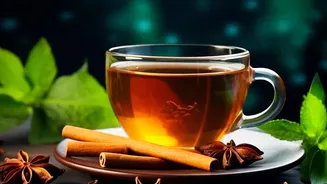
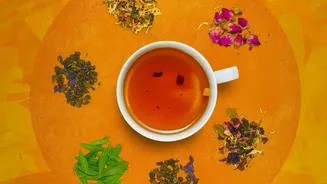
Once you move past single-origin teas, you enter the world of blends and flavoured varieties. This is where reading the ingredients list becomes crucial. High-quality specialty teas use whole or large, unbroken leaves, which impart more complex flavours and essential oils than the fine dust found in mass-market tea bags. When it comes to added flavours, look for transparency. The best blends use real, identifiable inclusions like dried fruit pieces, whole spices, and flower petals. You should be able to see and smell the quality. Be mindful of the term 'flavouring'. 'Natural flavouring' means the taste is derived from a natural source like a fruit or spice. If the label just says 'flavouring' or 'artificial flavouring', it's likely a synthetic compound created in a lab. While food-safe, these often deliver a less nuanced, one-dimensional taste compared to their natural counterparts. For a truly premium experience, seek out teas scented with traditional methods, like Jasmine green tea, or those with clean, simple ingredient lists.
The Caffeine Question: Fact vs. Fiction
Many people operate under the simple rule that black tea is high in caffeine and green tea is low. The reality is far more complex. While a typical cup of black tea does tend to have more caffeine (40-70mg) than green tea (20-45mg), there's significant overlap. Caffeine content is influenced by many factors, including the tea plant varietal (Assamica has more than Sinensis), the age of the leaf (young buds are more caffeinated), and even shade-growing techniques which can increase levels. More importantly, how you brew your tea plays a huge role. Using hotter water and steeping for a longer time will extract more caffeine from the leaves, regardless of the tea type. Furthermore, tea made from broken leaves, like those in many tea bags, will infuse faster and can release more caffeine than whole leaf teas. Don't assume a tea's colour dictates its kick; instead, consider the leaf type and your brewing method to manage your intake.
Your Smart Tea Shopping Checklist
Navigating the tea aisle can be overwhelming, but armed with the right knowledge, it becomes a journey of discovery. Keep this simple checklist in mind on your next tea-buying expedition. First, check the origin. Are you in the mood for a malty Assam or a delicate Darjeeling? Knowing the region gives you a good idea of the base flavour profile. Second, inspect the ingredients. Opt for loose, whole-leaf teas whenever possible. If it's a blend, look for real, natural ingredients over vague 'flavourings'. Third, consider the caffeine. If you need a morning boost, a robust black tea is a reliable choice. For a gentle afternoon lift, a green or oolong might be better. And for the evening, a naturally caffeine-free herbal tisane is your best bet. Finally, trust your senses. A high-quality tea should have a vibrant, fresh aroma right out of the package.