






The Surprising Findings on Travel Avoidance
The recently released 2026 Passenger IT Insights report by SITA, a leading IT provider for the air transport industry, has sent ripples through the travel world. Based on a survey of nearly 8,000 travellers across 24 countries, the study found that 42%
of all passengers have decided against a trip because they anticipated it would be too stressful. Even more startling is the impact on younger demographics. More than half of all travellers under the age of 30 admitted to cancelling or avoiding a trip due to expected stress. This trend indicates a significant shift in how the next generation of flyers perceives the travel experience, moving from an exciting adventure to a potential source of anxiety.
What's Causing the Anxiety?
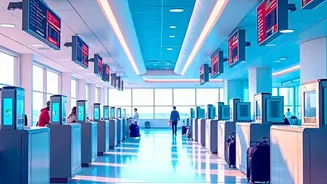
So, what exactly is causing this travel-related stress? According to the SITA report, the primary culprits are operational and logistical uncertainties. Passengers identified flight delays, long queues, and baggage handling worries as their main points of frustration. The anxiety often peaks in the airport itself, particularly during the 'dwell time' between clearing security and boarding the plane. One-third of passengers now report feeling anxious during this period, a threefold increase compared to 2023. The core issue, as SITA's CEO David Lavorel points out, is a lack of information. Most of the stress 'comes down to not knowing what happens next'. This feeling of powerlessness in the face of potential disruption is a major deterrent.
The Indian Context: A Magnified Pressure
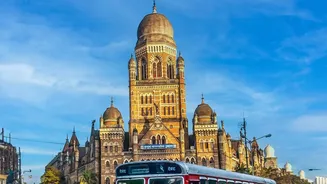
For young Indians, these global trends are often amplified. Navigating some of the world's busiest airports in Delhi, Mumbai, and Bengaluru comes with its own unique set of pressures. The sheer volume of passengers, combined with long check-in and security lines, can make the airport experience feel overwhelming before the journey has even begun. Add to this the financial pressures and the challenge of coordinating complex itineraries, and it's easy to see why the appeal of staying home is growing. While Gen Z and Millennials in India are eager to explore, they are also digitally native and have high expectations for efficiency and seamlessness—standards that the current travel infrastructure often fails to meet, leading to frustration and, ultimately, avoidance.
Is Technology the Answer?
Interestingly, the same younger travellers who are most likely to cancel trips are also the most optimistic about technology's potential to fix the problem. A massive 86% of travellers under 30 believe technology can reduce the stress of air travel. They envision a journey where their smartphone is their ultimate travel companion, providing real-time updates on flight status, gate changes, security wait times, and even the location of their luggage. The report highlights that passengers feel calmest during check-in and boarding, stages of the journey that are often managed on their phones. The industry's goal, therefore, should be to extend that feeling of control and visibility to every step of the process. SITA's research suggests that airlines and airports that successfully leverage technology to create a more predictable and transparent journey will win back the trust and business of this crucial demographic.